
Last updated November 14, 2026
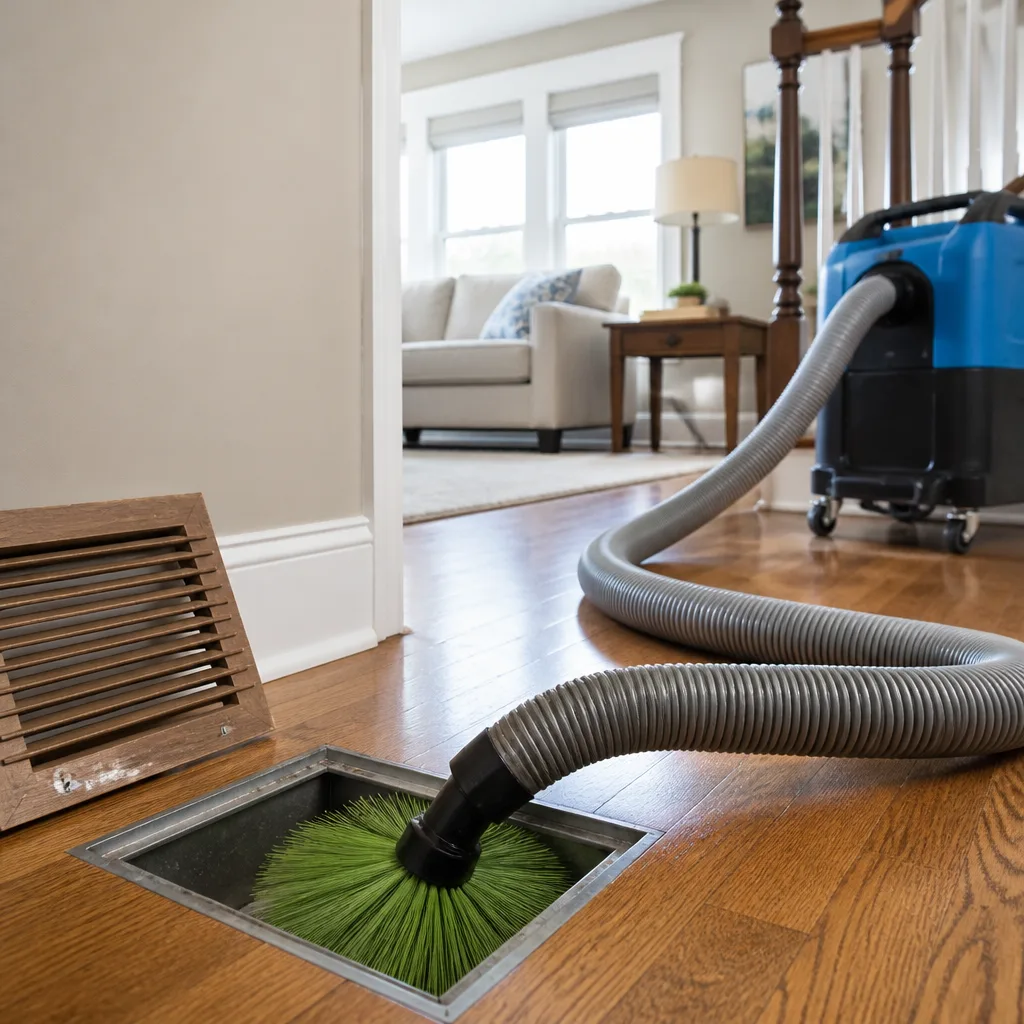 Whole-home duct cleaning
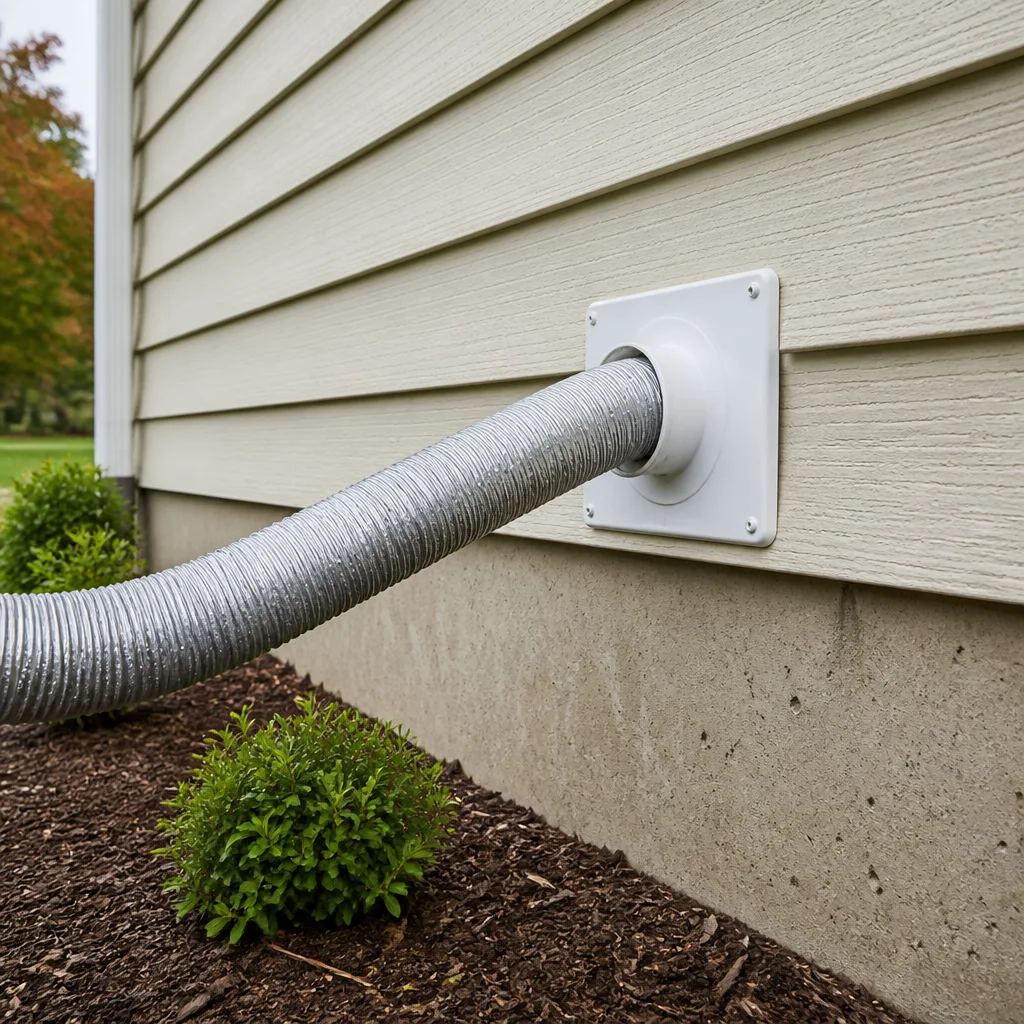 Dryer vent cleaning
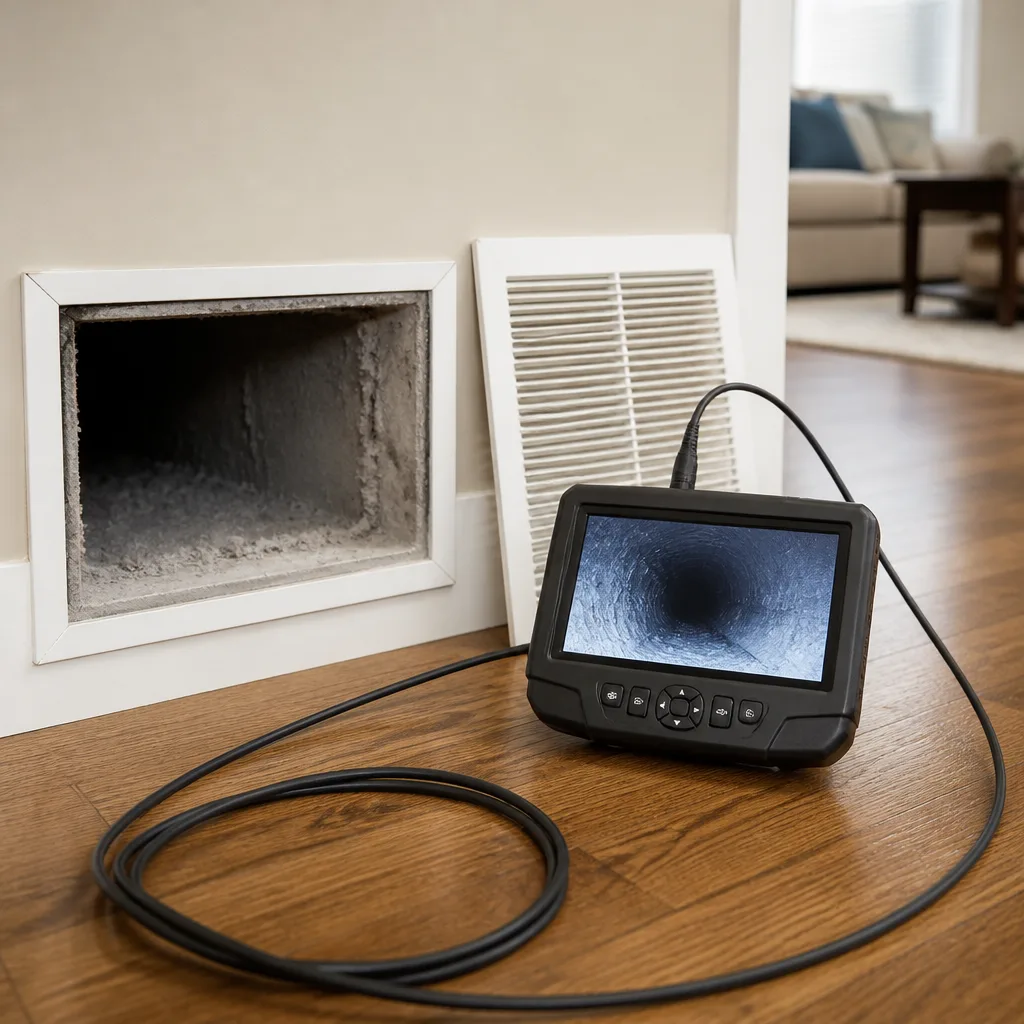 Camera inspection
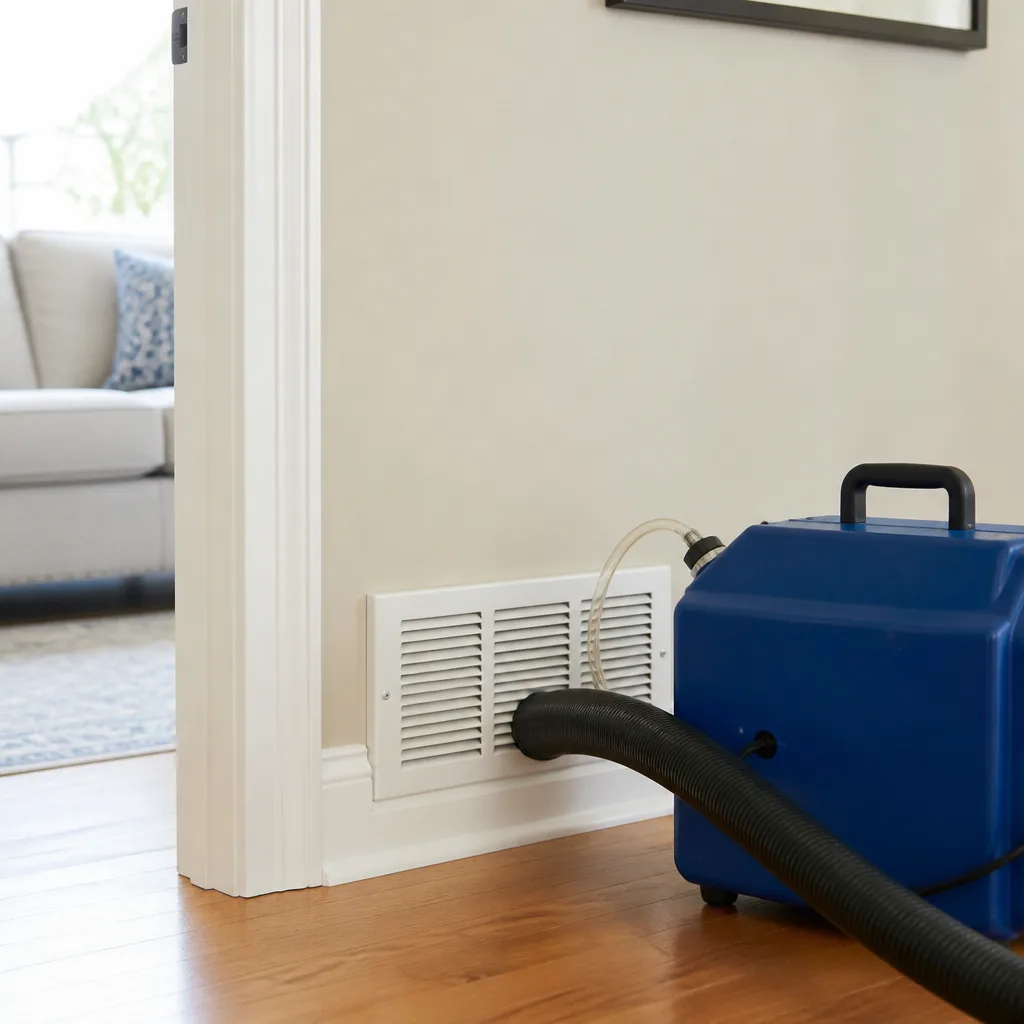 Sanitizing & deodorizing
Whole-system duct and dryer vent check with before-and-after photos - you see exactly what came out of your vents
That "$99 whole-house special" is a bait ad - the real number appears once they are in your hallway, or the "clean" is a shop-vac at the register. We photograph the inside of your ducts before and after instead.
Air Duct Cleaning Warning Signs: A Killeen Homeowner’s Reference Guide
A system that runs longer and longer to reach the temperature on the thermostat usually gets blamed on a failing compressor. Sometimes that’s right. Often it isn’t. Dirty, leaking, or blocked ductwork produces the same symptom, and the fix costs a fraction of what new equipment does. In our experience around Killeen, the duct gets looked at last and paid for first. This guide teaches you to read duct-specific warning signs using nothing but your own eyes, nose, and ears, so you can separate a duct problem from an equipment problem before you spend money on the wrong repair.
Quick Answer
Air duct cleaning warning signs in Killeen come down to three measurable changes: rooms that drift more than 3°F apart from each other, dust returning to surfaces within 48 hours of cleaning, and odors that appear only when the blower runs. If you see one of those, watch it for a month. If you see two or more, or any visible dust puffing from a register, get the ducts inspected now. Duct problems and equipment problems share symptoms, but only ducts produce room-to-room temperature variance with a system that otherwise runs normally.
Styles & brands we work with
- Whole-home duct cleaning
- Dryer vent cleaning
- Camera inspection
- Sanitizing & deodorizing
Table of Contents
- How to tell duct symptoms from equipment symptoms without tools
- Room-to-room temperature variance as a duct diagnostic
- What musty, metallic, and burning odors from vents actually mean
- Visible dust at registers versus internal contamination
- Long runtimes and short cycling: reading the system’s behavior
- The threshold symptoms: call today versus monitor for a month
- A separate warning sign: the dryer vent
- What a proper duct inspection involves
How Do You Tell Duct Symptoms From Equipment Symptoms Without Tools?
You tell them apart by watching when the symptom appears. Equipment problems show up regardless of which rooms are open or closed, and they usually announce themselves as sound, smell, or a system that stops running altogether. Duct problems change with airflow: they get better when you close a door, worse when a room’s register is open, and they concentrate in certain rooms instead of spreading evenly. The whole method is observation, no gauges required.
Here’s a simple way to sort what you’re hearing and seeing:
- Equipment-origin signs: the outdoor unit makes a new noise, the breaker trips, the blower runs but no air moves anywhere, or the system shuts off before reaching setpoint. These point to the machinery.
- Duct-origin signs: some rooms are comfortable and others never are, dust collects on one side of the house, a whistling or rushing sound comes from a single vent, or odors rise only while air is moving.
- Both: long runtimes and high energy bills can come from either. That’s the symptom most often misread, which is why we start every diagnosis by checking whether the airflow itself is reaching the rooms it should.
Walk through the house on a mild afternoon with the system running. Put your hand near each register and note whether the airflow feels similar across rooms. If one bedroom pushes noticeably less air than the living room, you’ve likely found a duct issue, not a compressor issue. Warm afternoons in Killeen make this test easy to run because the system cycles often, giving you plenty of chances to compare rooms. If you want a trained set of eyes on what you find, our air duct cleaning team can walk the system with you and explain what each reading means.
Why Is Room-to-Room Temperature Variance a Duct Problem, Not a Thermostat Problem?
Temperature variance between rooms is a duct problem when the thermostat reads correctly and the system runs normally. A thermostat measures the air at one point, usually a hallway. It has no idea whether the back bedroom is 6°F warmer. If the thermostat is satisfied and the rooms still disagree, the conditioned air isn’t reaching them evenly, and that’s a distribution problem: ducts that are leaking, crushed, disconnected, or undersized for the room.
To measure it, you don’t need a fancy sensor. A simple thermometer placed in each room, read at the same time of day with doors in their normal position, tells you plenty. Here’s how to read the results:
- Under 3°F variance: normal. Insulation and sun exposure explain most of it.
- 3°F to 5°F variance: worth monitoring. Check again in a month and after any filter change.
- Over 5°F variance in a single room: a strong duct signal. Something is restricting or leaking air to that room.
- Over 5°F variance across several rooms on one side of the house: look for a disconnected or crushed trunk line serving that side.
Killeen homes sit in a climate that swings hard, with hot summers and mild winters, so the system works hardest in summer and any duct deficiency shows up most in July and August. That’s also when homeowners notice a bedroom that never cools and assume the unit is undersized. Before you replace equipment, measure the variance. In our experience, a room that’s consistently warmer than the rest of the house is one of the clearest duct signals there is, and it’s free to check.
What Do Musty, Metallic, and Burning Odors From Vents Actually Indicate?
Each odor points to a different mechanical condition, and the distinctions matter. Musty odors mean moisture and organic growth inside the duct system, usually at a location where condensation collects or where return air pulls from a damp space. Metallic smells point to metal-on-metal contact, often a loose damper or a rubbing component. Burning odors are the one you don’t wait on: shut the system off and call, because they can indicate an electrical fault or an overheated motor.
The useful test is when the smell appears:
- Only when the blower runs: the source is in the airstream, meaning the ducts, the coil, or the air handler. This is the strongest indicator of a duct or coil problem.
- Only in one room: local contamination, often a disconnected duct pulling air from a crawlspace or attic.
- Constant, even with the system off: usually a source outside the ductwork. Check for moisture in the closet or cabinet around the air handler.
A musty smell in a Killeen home during the humid stretches of late spring and early fall often traces to condensation that never fully dries inside the ducts. The fix isn’t always cleaning. Sometimes the ducts are damp because they’re leaking or because return air is being pulled from a humid space. That’s why we carry dryer vent cleaning alongside duct work; moisture control and airflow go together. For the duct side, what matters is finding where the moisture enters before treating the smell, since cleaning a duct that will just get wet again solves nothing.
Does Visible Dust at Registers Mean the Ducts Are Dirty?
Not necessarily. Visible dust on the register face and the surrounding drywall is often settled house dust carried by air moving past a leak at the boot or the register flange, and the duct behind it may be relatively clean. The reverse is also true: a duct full of debris can show nothing at the register if the contamination sits deeper in the trunk or on the return side. Visible dust is a clue, not a verdict.
Here’s how to know which you’re looking at:
- Dust concentrated around the register frame: likely air leaking past the seal, pulling dust from the room or the wall cavity. This is a repair issue as much as a cleaning one.
- Dust puffing out when the system starts: material is being carried through the duct. Shut the system off and get it inspected.
- Dark streaks along the ceiling near the register: airflow leakage past the boot, again a seal problem.
- No visible dust but odors or long runtimes: contamination may be internal. Visible dust doesn’t rule it in or out.
This is where equipment transparency matters. When we inspect a Killeen home, we use camera footage where needed and Rotobrush rotary brush systems to reach surfaces a shop vacuum can’t, so the answer to “are these ducts actually dirty?” comes from looking inside, not from the register face. The point isn’t the tool for its own sake. It’s that a proper answer to a visible-dust question requires seeing the inside of the duct, and telling a homeowner to trust the surface appearance gets the diagnosis wrong.
What Do Long Runtimes and Short Cycling Tell You About Your Ducts?
Long runtimes and short cycling are ambiguous on their own, but they combine with the room-to-room test to point to a cause. A system that runs a long time to reach setpoint is working against resistance, and that resistance is either equipment capacity or airflow. Short cycling, on the other hand, often means the thermostat’s location is being overcooled while the rest of the house isn’t, which is a distribution problem. Both deserve attention; neither should be diagnosed without checking the airflow reaching each room.
Killeen’s hot season pushes the system hard, so a duct leak that loses a fraction of the cooled air is felt more here than in a milder climate. The practical checklist:
- Note how often the system runs on a normal day. A rough sense is enough.
- Check for a filter that’s overdue. A clogged filter mimics duct restriction and is the cheapest thing to rule out first.
- Measure room temperatures with the filter fresh. If variance is under 3°F and runtimes stay long, look at equipment capacity.
- If variance is over 3°F, get an airflow test. A leaking or crushed duct is the most common cause of long runtimes with normal equipment.
In our experience, homeowners call about long runtimes expecting to hear “your compressor is tired.” More than once the honest answer has been a disconnected duct in the attic, a failure that cleaning alone can’t fix. That’s why air duct repair is a core part of what we do, and why we treat “clean it and hope” as the wrong answer when the actual problem is a broken connection. Contaminants captured, not redistributed, is the standard we hold to; before we clean anything, we confirm the ducts are intact, so a repair doesn’t get skipped and waiting a season doesn’t turn a small leak into a bigger one.
Which Threshold Symptoms Mean Call Today Versus Monitor for a Month?
The thresholds are concrete: call today for burning odors, dust puffing from a register, visible mold inside a duct, a return duct pulled loose from its connection, or room variance over 5°F. Monitor for a month for musty odors that come and go, dust that returns within a week, or variance between 3°F and 5°F. The dividing line is whether the symptom threatens the system or the air in the home, or is simply telling you the system is underperforming.
The full threshold table, organized by what you observe:
- Call today: burning smell from any vent, dust blowing out of a register, mold visible inside a duct, a duct visibly hanging loose, or carbon monoxide alarms alongside the heating system.
- Call this week: a musty smell that stays, whistling or rushing from one vent, room variance over 5°F, unexplained dust returns within 48 hours of cleaning.
- Monitor for a month: variance of 3°F to 5°F, dust life under a week, filter clogging faster than it used to.
- No action, just data: runtimes that creep up during July but settle in the mild months, filter life normal, rooms within 3°F.
Two of these are safety calls, not comfort calls. A burning smell or a loose return duct isn’t a wait-and-see item. The rest of the list is about performance, and you can afford the time to measure before spending. In Killeen, the right month to watch is the hottest one, because that’s when the system shows its weakest point most clearly. When in doubt, a free estimate costs you nothing and settles the question.
How Is a Dryer Vent a Duct Warning Sign Too?
A dryer vent is a duct, and it fails the same way: lint builds up, airflow drops, and heat has nowhere to go. The warning signs are different from the HVAC system, though. A dryer that takes longer than one cycle to dry a load, a dryer that feels hot to the touch on top, a laundry room that gets damp, or lint visible around the vent flap and behind the dryer all point to a clog. This one is a safety issue, not a comfort issue, because a blocked dryer vent is a leading cause of residential fires.
What to check:
- The exterior vent flap. Does it swing freely when the dryer runs?
- The lint trap housing. Shine a light into the slot behind the screen; lint packed there means more further along.
- The flexible transition duct behind the dryer. Crushed or kinked flex is a common blockage.
- Dryer performance. If drying time has stretched out over months, the vent is losing capacity.
A Killeen home with a long vent run, common when a laundry room sits away from an exterior wall, is more prone to lint accumulation and needs attention more often. Our duct cleaning in Killeen covers the dryer vent as a standalone job, and it’s one of the few cleaning services we describe as safety-critical without hedging. If your dryer is running longer than it used to, have the vent checked before assuming the dryer is failing.
What Does a Proper Duct Inspection Involve?
A proper inspection answers four questions: is the duct system intact, is it clean, is it sized and connected correctly, and is there moisture. It uses camera footage to see inside, a moisture reading at suspect points, and a visual check of every accessible connection at the registers and the air handler. The inspection should be explainable, and you should be able to watch the process on request.
The steps we follow on a Killeen inspection:
- Map the system: return and supply paths, trunk lines, and every register.
- Check access points and connections for disconnection, crush damage, or gaps at the boot.
- Look inside with a camera to confirm whether contamination is present and how deep.
- Test airflow at each register to compare against the room variance you measured.
- Note moisture, damage, or restriction that cleaning alone won’t fix.
- Give you a written scope of what’s actually needed, priced per system, before any work begins.
When cleaning is warranted, the equipment list matters. We run Rotobrush rotary brush systems and Nikro HEPA vacuum equipment, commercial-grade machinery rather than a marketing claim, and we deploy Abatement Technologies containment and negative-air equipment so contaminants are captured and exhausted rather than redistributed through your home. That equipment is available to look at and explain. Our technicians have up to 12 years of experience, and they’ll show you what they find before recommending anything. Better air starts at the duct, and an honest inspection is where that starts.
Common Mistakes to Avoid
- Blaming the compressor first. A system that runs long but reaches setpoint in the comfortable rooms is doing its job. Measure room variance before approving equipment replacement.
- Trusting the register face. Dust on the register can mean a leak at the boot with clean ducts behind it, or clean registers with a dirty trunk. Visible dust is a clue, not a diagnosis.
- Booking the cheapest quote. A low bid often has no containment and no camera work, so contaminants redistribute and nobody sees the ducts. Ask what equipment will be used and whether you can watch.
- Cleaning over a broken duct. In Killeen attics, disconnected flex and crushed trunk lines are common and a cleaning alone won’t fix them. Ask whether the inspection includes a repair check.
- Ignoring the dryer vent. It’s the same class of problem as a dirty duct but carries fire risk. Treat drying-time creep as a warning, not a nuisance.
- Assuming musty means clean. Odor often traces to moisture, and cleaning a damp duct that will get wet again solves nothing. Find the source first.
- Waiting through peak summer. A duct deficiency that’s mild in spring shows its worst in July, when the system is working hardest. Get it checked before the hot stretch, not during it.
See the difference
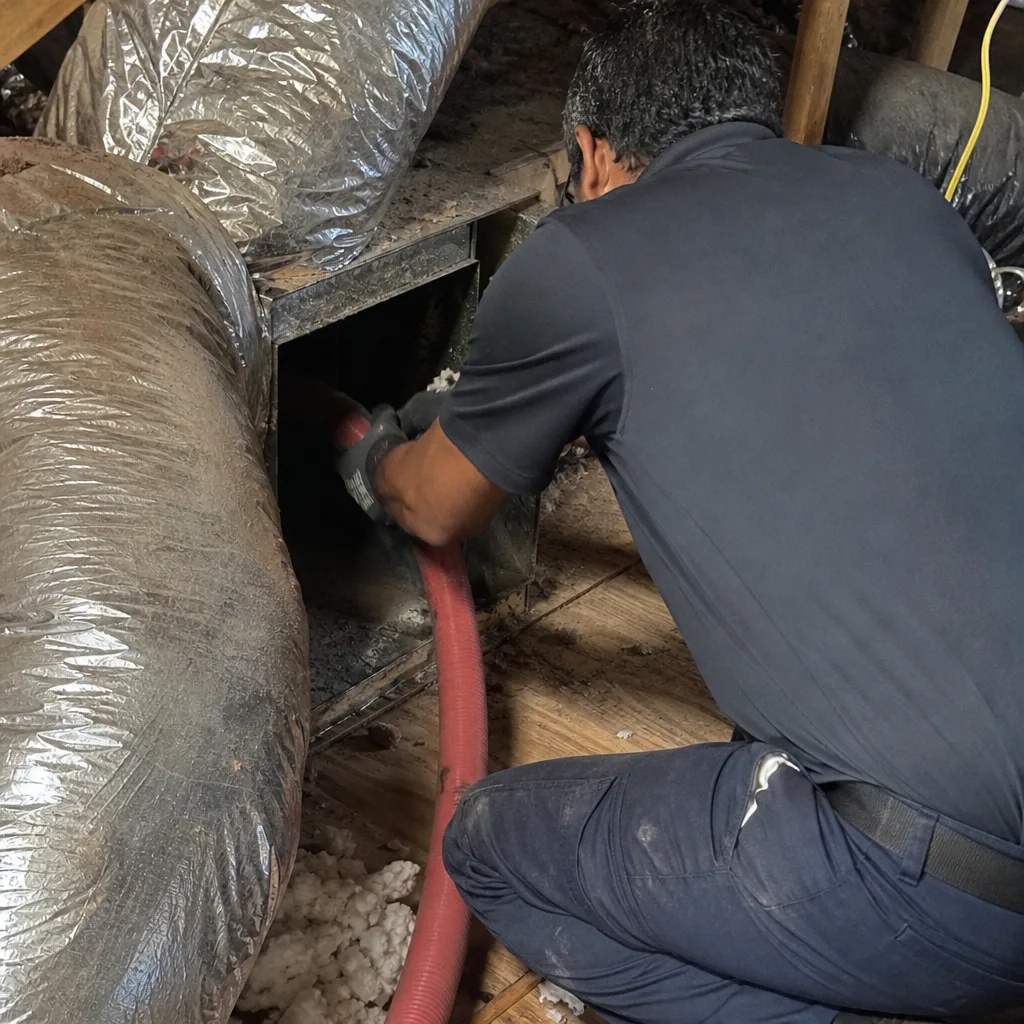 Before
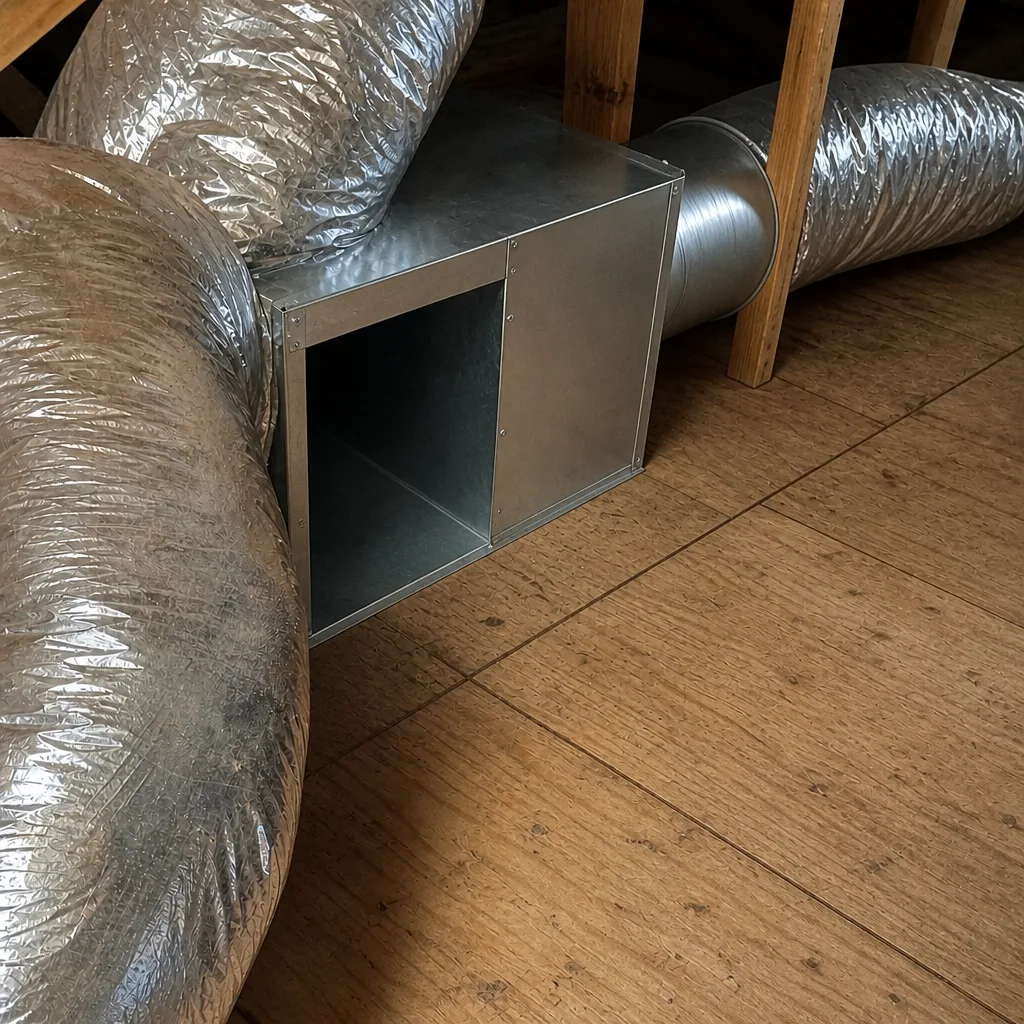 After
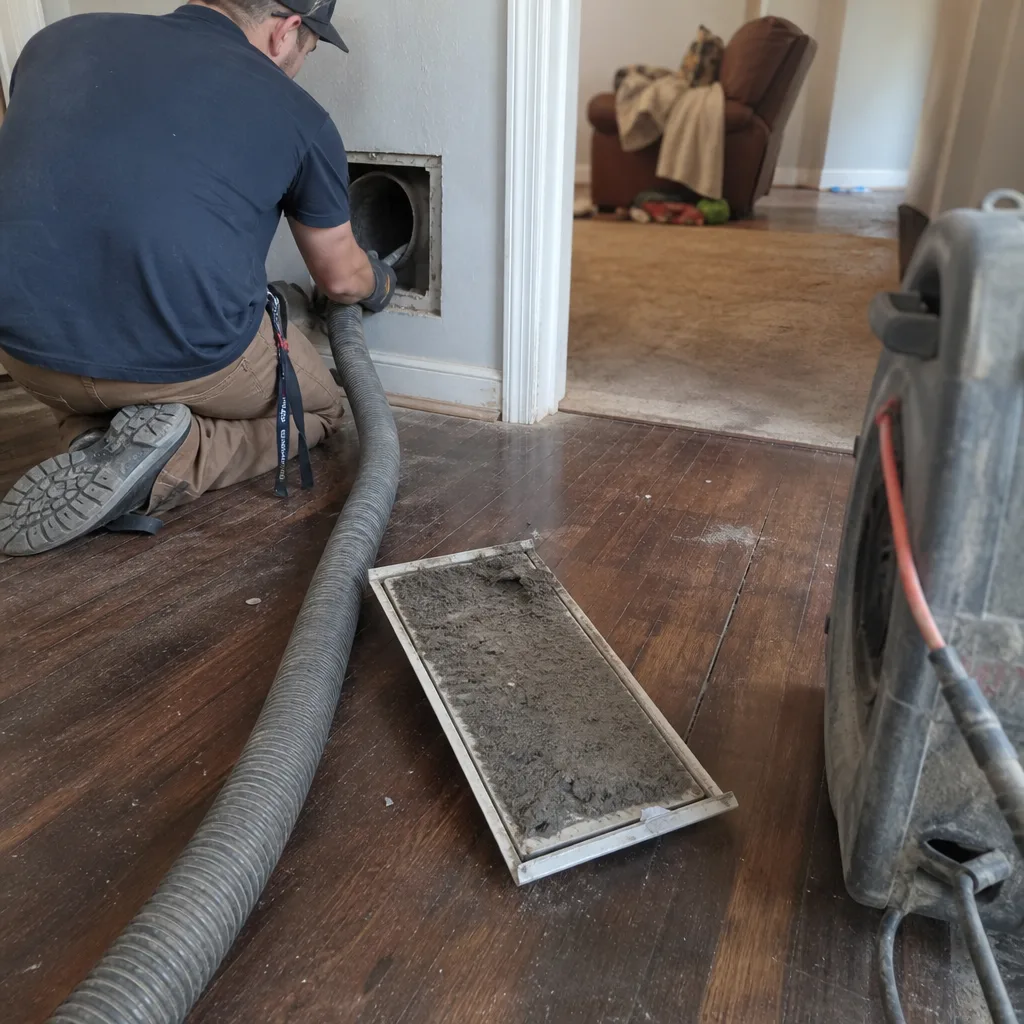 Before
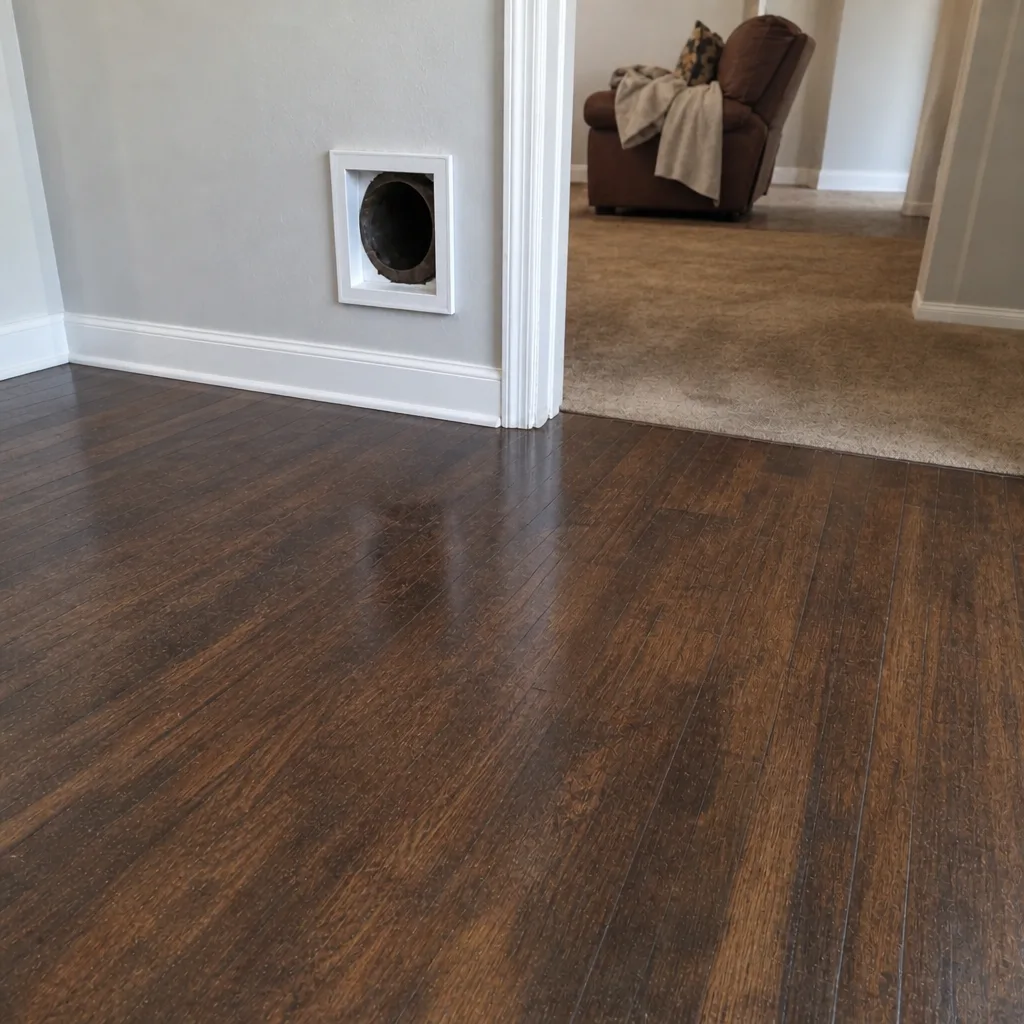 After
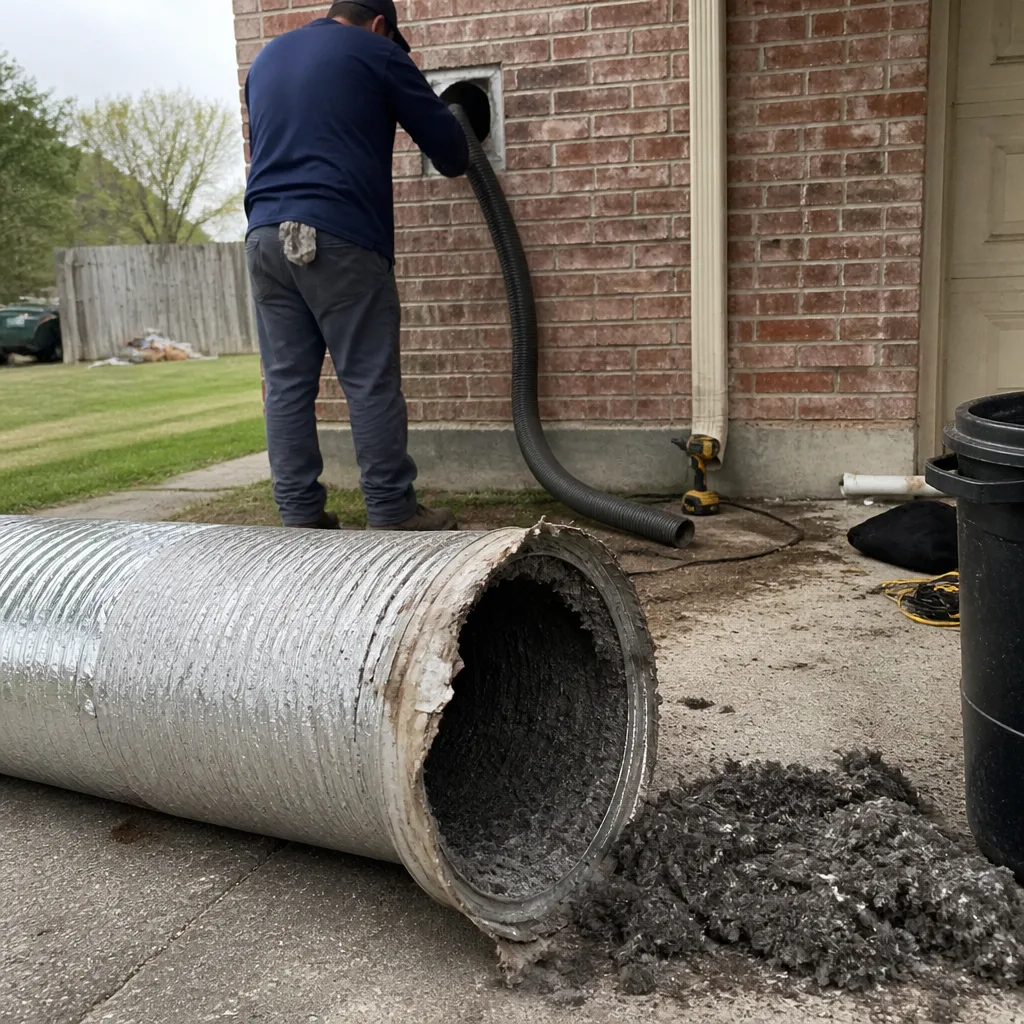 Before
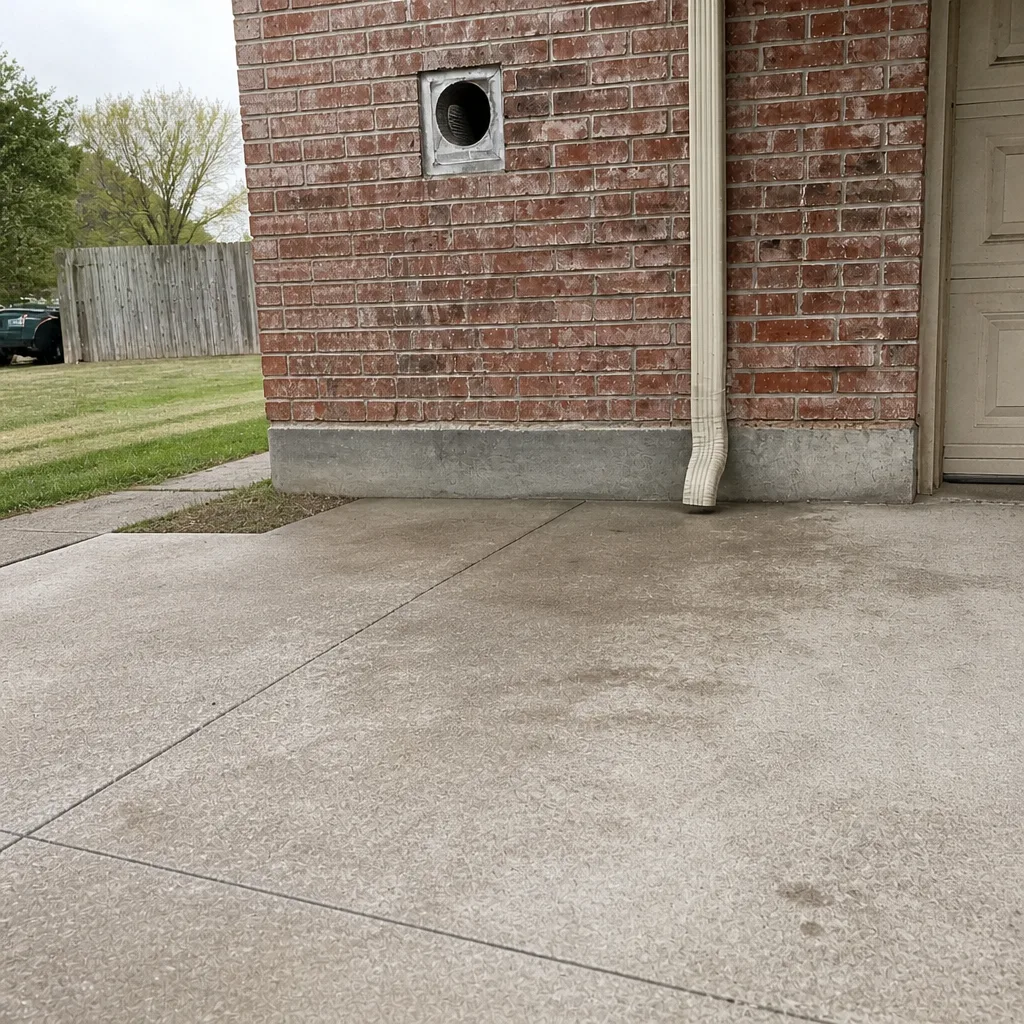 After
When to Call a Professional
Call a professional when you have any of the call-today symptoms: a burning odor from a vent, dust blowing out of a register, visible mold inside the ductwork, a duct visibly pulled loose, or room variance over 5°F. Also call if your musty smell has lingered for a month, if dust returns within a week of cleaning, or if your dryer is taking longer to dry than it used to. If you’ve measured and you’re unsure which side of the threshold you’re on, a free estimate is the easiest way to settle it. Duct Cleaning Killeen offers free estimates in Killeen. Call (833) 754-6799. We answer 24/7. Fast dispatch from 7am to 7pm, Sunday through Friday. We’ll show you what we find before recommending anything, and the price is set per system by the written estimate.
Frequently Asked Questions
Pricing depends on the size of the system and the condition of the ducts, so we quote per system rather than per vent, and the written estimate sets the final price. A whole-system cleaning is priced as a job, not by counting registers. Call (833) 754-6799 for an exact quote, estimates are free.
They’re often cheaper because the equipment and scope are smaller: no containment, no camera work, no repair check. That can mean contaminants redistribute through the house and nobody knows what the ducts look like inside. We use Abatement Technologies negative-air and containment equipment so what’s loosened is captured, not spread. Call (833) 754-6799 for an estimate that shows what the job actually involves.
Ask for before-and-after photos and watch the process if you’d like. With our Rotobrush and Nikro systems, the equipment is visible and explainable, and a camera can show you what’s inside before and after. Call (833) 754-6799 to book an inspection with photos included.
There’s no fixed calendar for it. The honest answer is that the threshold symptoms tell you when, not a count of years. If room variance stays under 3°F, dust doesn’t return quickly, and there’s no odor, you likely don’t need it yet. Call (833) 754-6799 if you’d like the system checked against those thresholds.
Yes. Dirty or leaking ducts create airflow resistance, and the system runs longer to reach setpoint, which looks like a failing compressor. Before replacing equipment, measure room-to-room variance; over 3°F points to a distribution problem. Call (833) 754-6799 for an airflow check.
Possibly, because register appearance doesn’t reflect what’s deeper in the trunk or return. A camera inspection is the only way to know, and it should come before any cleaning recommendation. We won’t recommend cleaning without confirming contamination inside. Call (833) 754-6799 for an inspection in Killeen and the surrounding area.
The Bottom Line
Most duct warning signs get misread as equipment problems, and the result is money spent on the wrong repair. Measure first: room variance under 3°F is normal, over 5°F is a duct signal, and anything in between is worth watching. Dust on the register face is a clue, not a verdict, and only a camera confirms what’s inside. Treat burning odors, puffing registers, visible mold, and loose ducts as call-today items, and the rest as data to collect over a month. In Killeen’s hot season, the system shows its weakest point most clearly, so check before July, not during it. Know the thresholds, measure honestly, and you’ll know which call to make.
Written by the team at Duct Cleaning Killeen.