
Last updated November 14, 2026
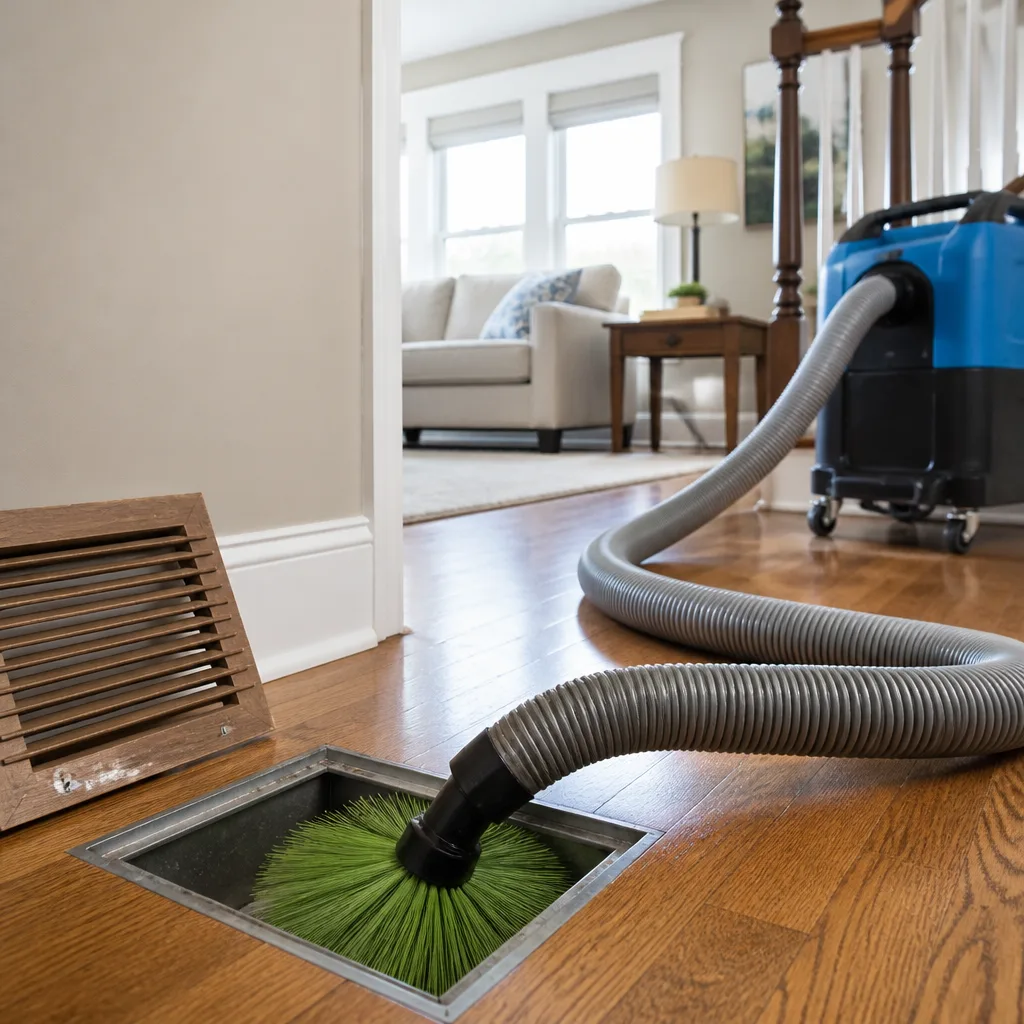 Whole-home duct cleaning
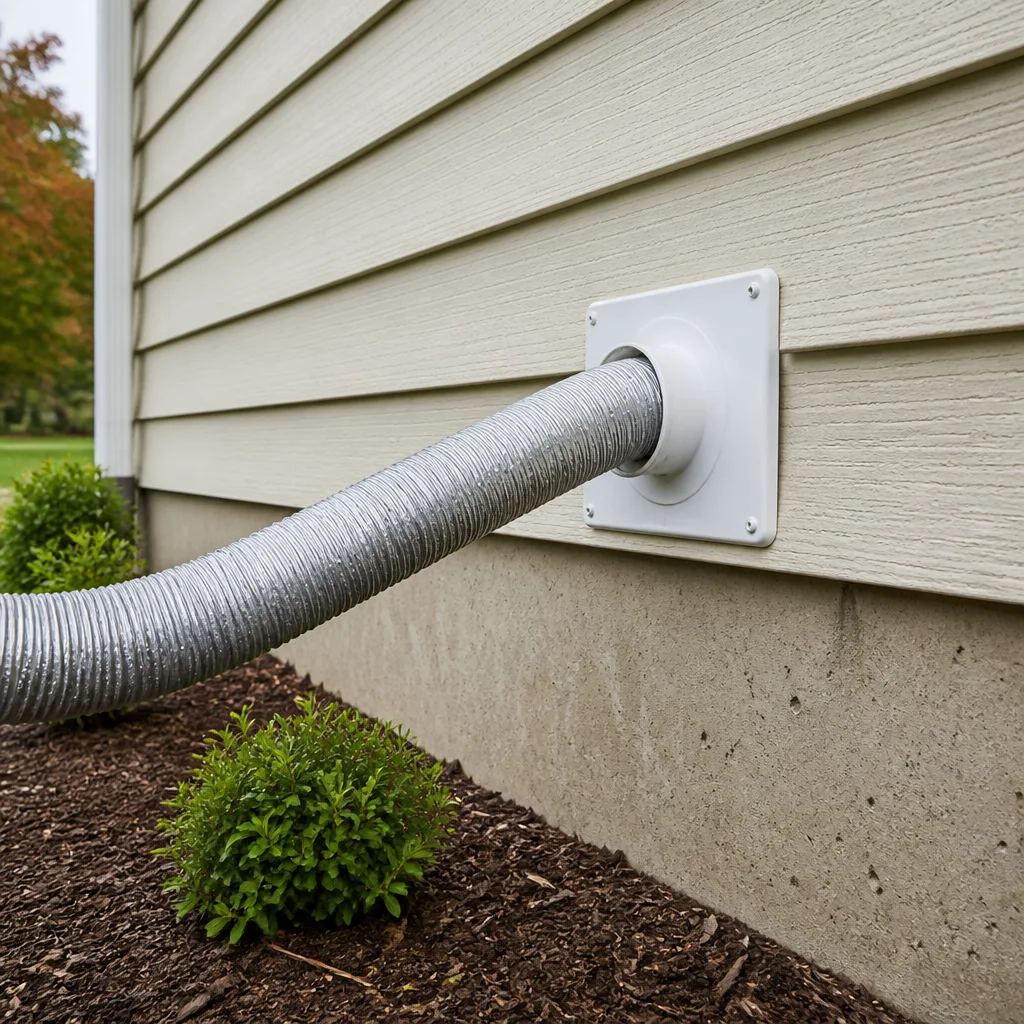 Dryer vent cleaning
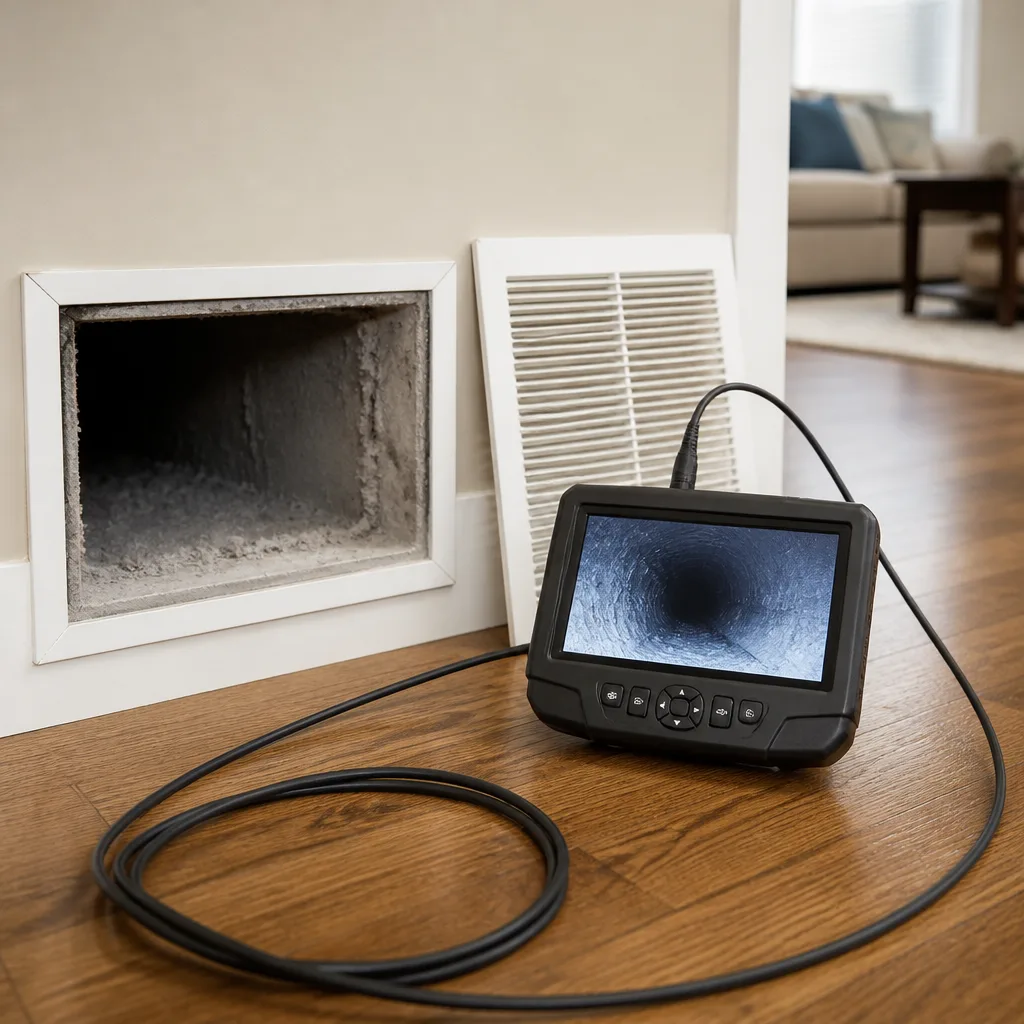 Camera inspection
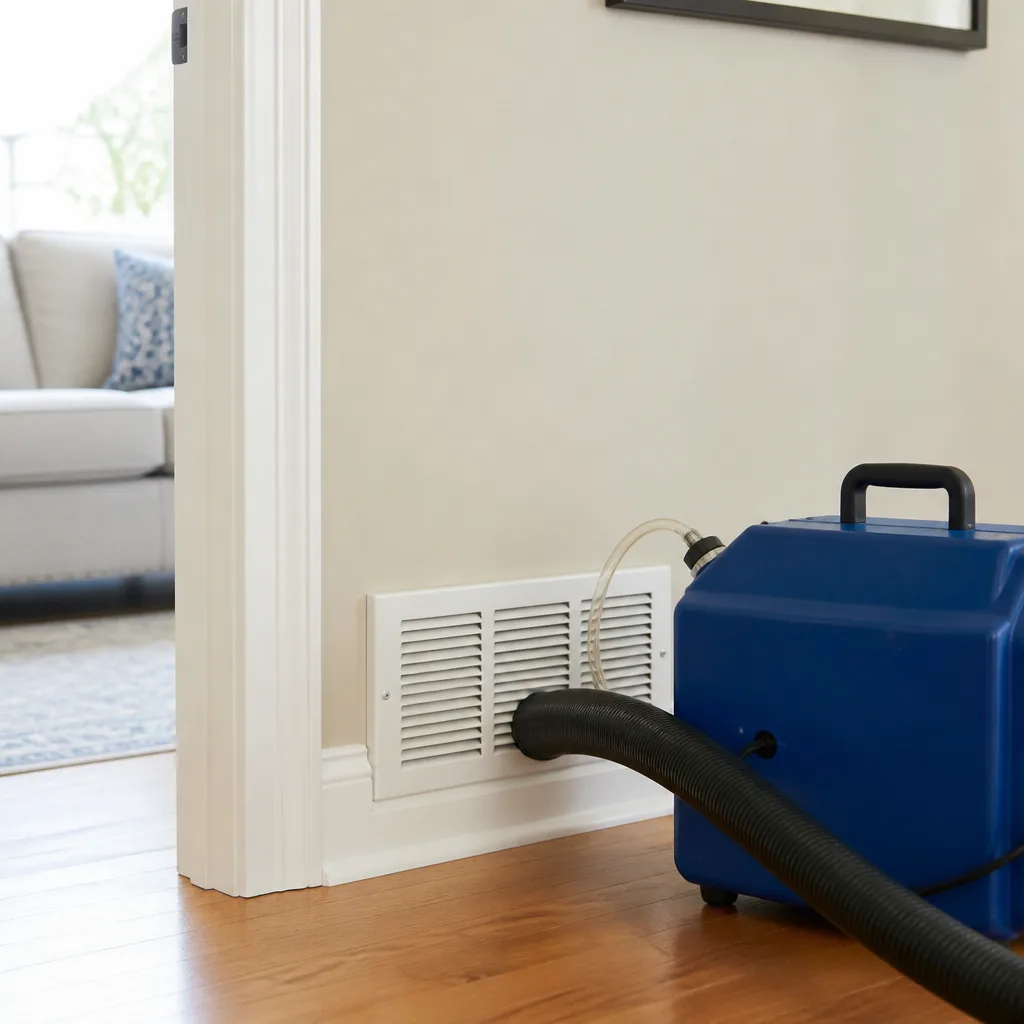 Sanitizing & deodorizing
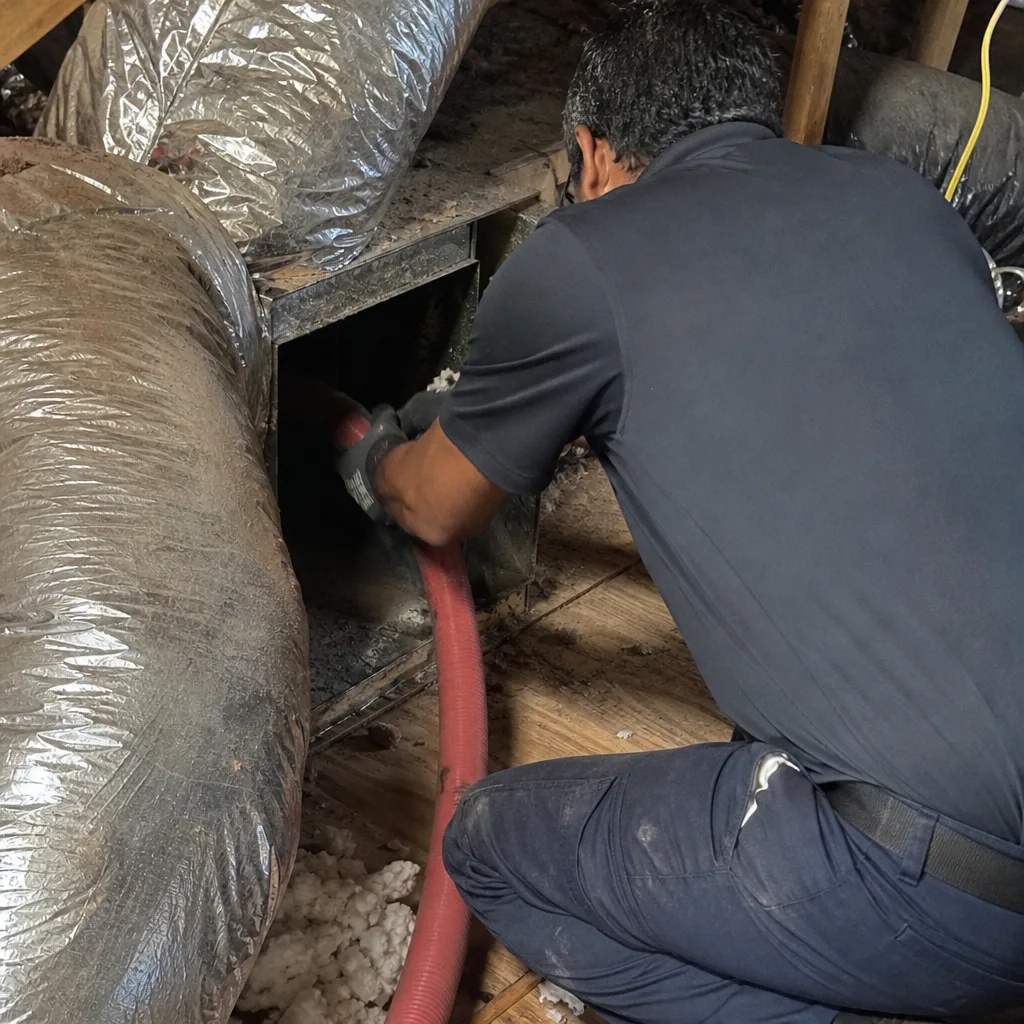
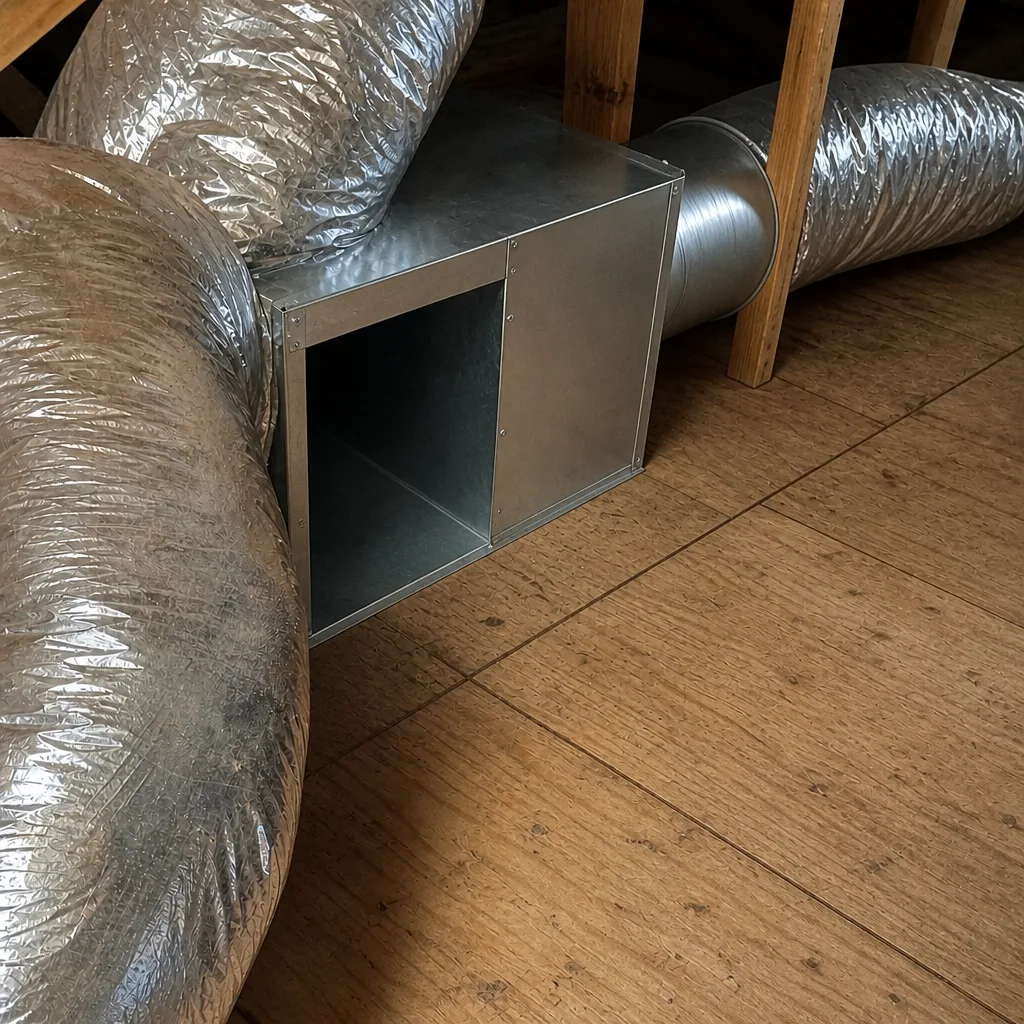
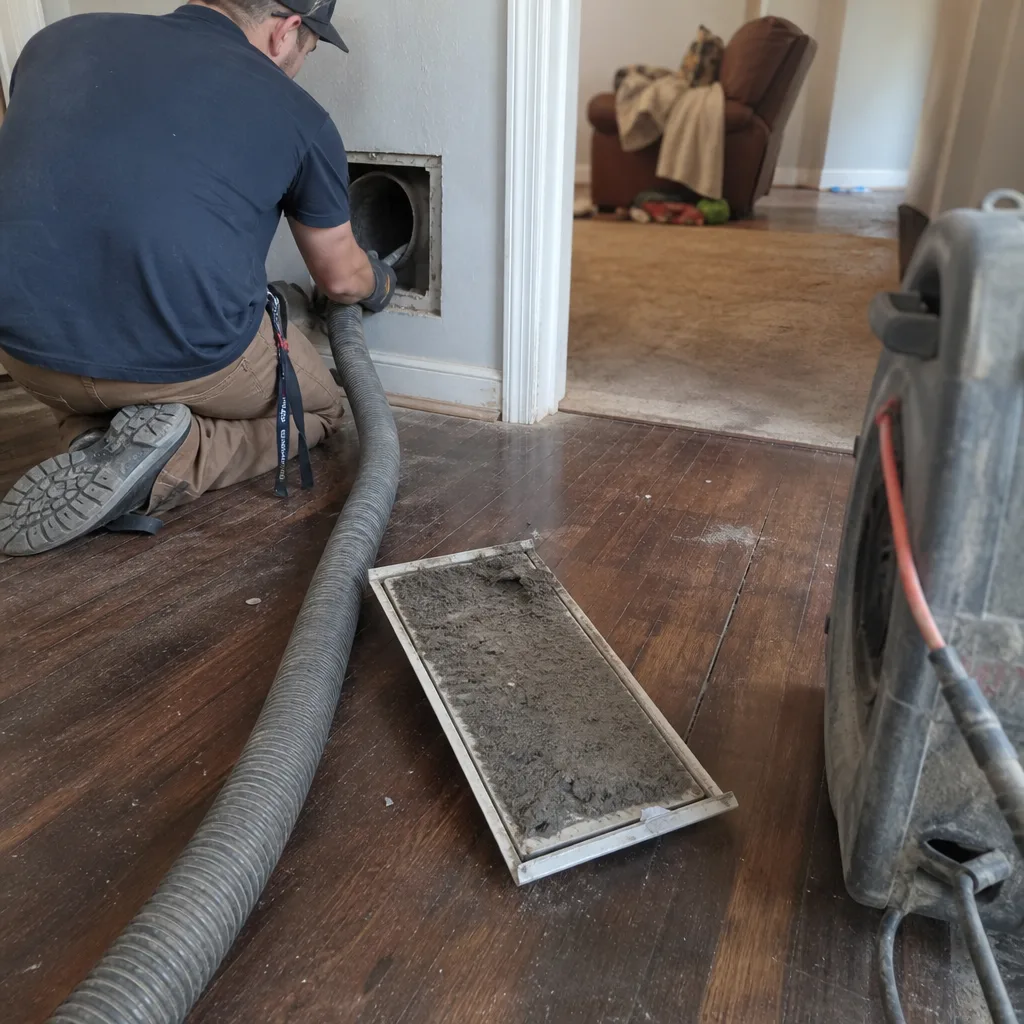
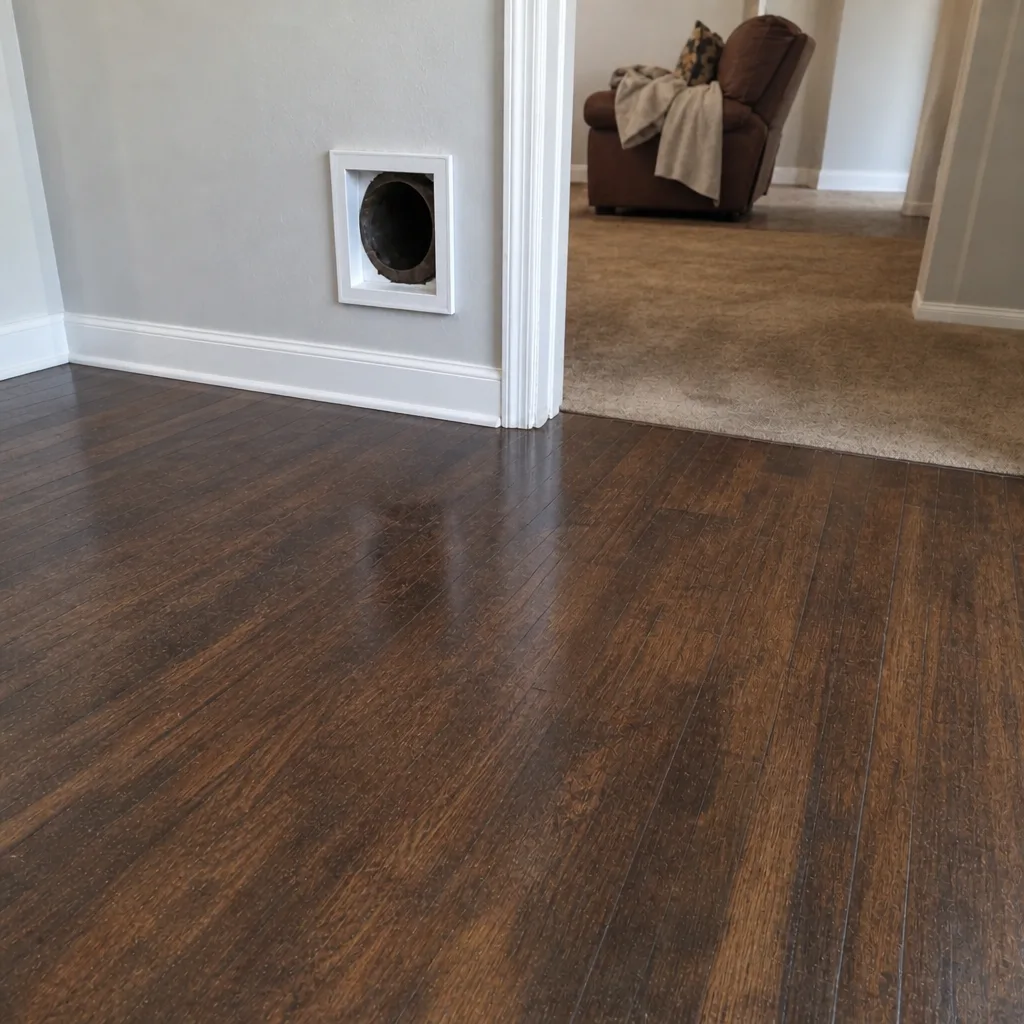
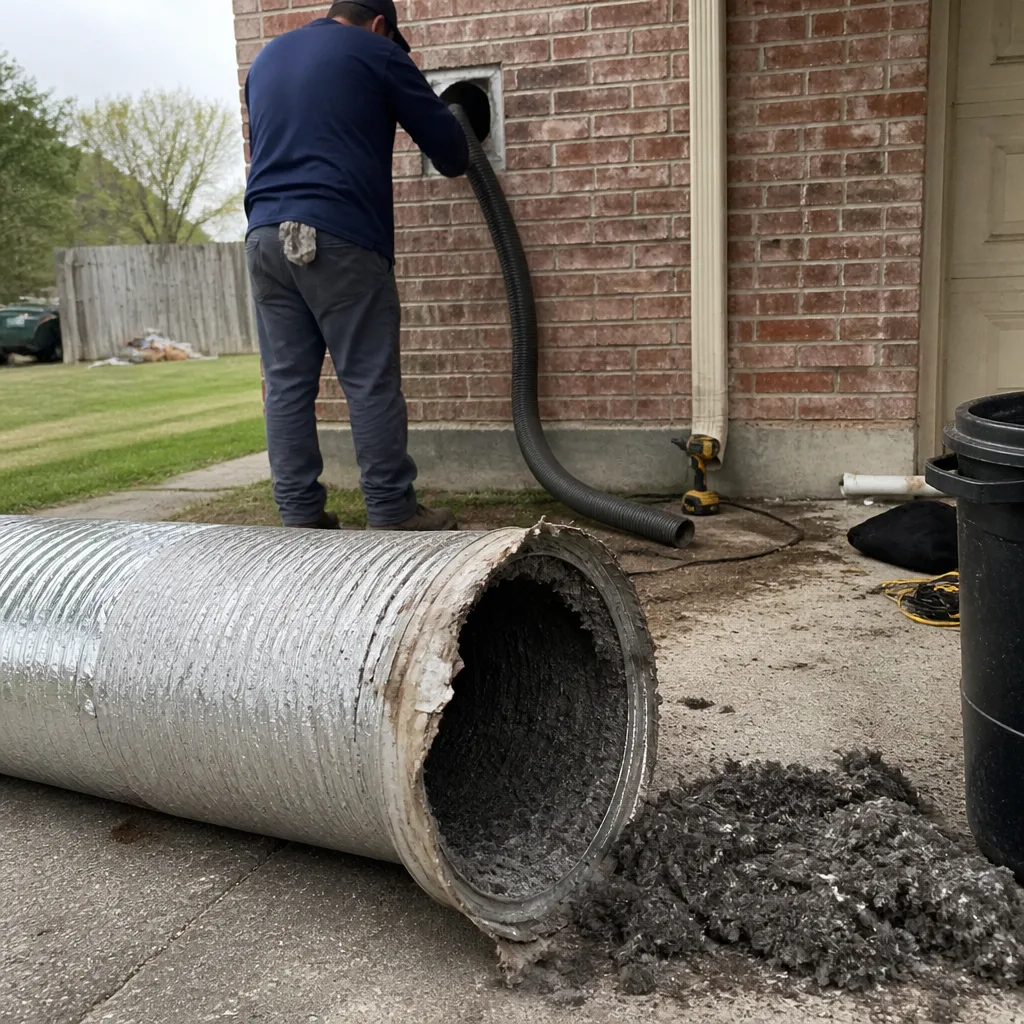
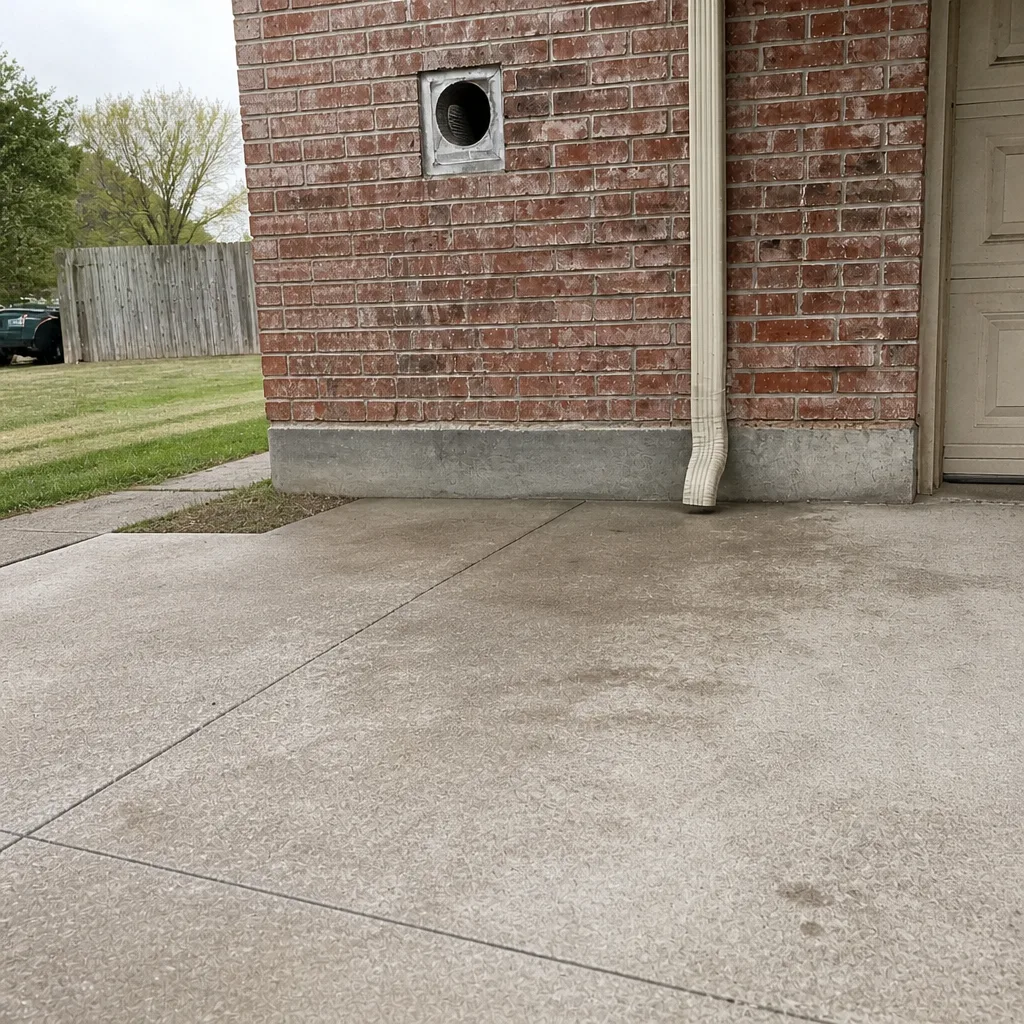
Whole-system duct and dryer vent check with before-and-after photos - you see exactly what came out of your vents
That "$99 whole-house special" is a bait ad - the real number appears once they are in your hallway, or the "clean" is a shop-vac at the register. We photograph the inside of your ducts before and after instead.
DIY vs Professional Air Duct Cleaning: The Killeen Homeowner’s Decision Guide
Here’s the part most guides skip: a $30 dryer vent brush and a shop vac can genuinely clean what you can reach. In a typical Killeen ranch-style home, that’s roughly 8% of the duct surface area. The other 92% – the interior lining of the trunk lines, the plenum above the air handler, and the coil area where condensation and dust meet – stays exactly as it was. This guide is about knowing which side of that line you’re on. We’ll cover what DIY actually accomplishes, the equipment threshold that separates surface cleaning from source removal, when calling a specialist in Killeen is the right move versus a waste of money, and how to run a five-year ownership comparison between the two paths.
Quick Answer
DIY air duct cleaning is legitimately useful for register grilles, accessible flex runs you can remove by hand, and filter upgrades – it addresses surface dust and keeps your system breathing between deeper services. It cannot address the interior duct lining, the plenum, or the evaporator coil, because those require negative-pressure equipment that pulls contaminants into a HEPA-filtered capture unit instead of pushing them back into the room. If a Killeen home has visible mold, rodent evidence, or heavy debris, DIY will delay a problem that compounds.
Styles & brands we work with
- Whole-home duct cleaning
- Dryer vent cleaning
- Camera inspection
- Sanitizing & deodorizing
Table of Contents
- What DIY Air Duct Cleaning Can Legitimately Accomplish
- The Equipment Threshold: What Separates Cleaning From Source Removal
- When DIY Is Genuinely Sufficient in a Killeen Home
- When DIY Delays a Problem That Compounds
- The Five-Year Cost of Ownership: DIY vs Professional
- How to Use DIY Maintenance Between Professional Cleanings
- What to Ask Any Duct Cleaning Company in Killeen
- Repair vs Clean: Why the Two Are Different Jobs
What DIY Air Duct Cleaning Can Legitimately Accomplish
Let’s give DIY its due. A homeowner with a few basic tools can do real, measurable work on their own system – work that matters and that any honest professional should tell them is worth doing themselves. Here’s what falls cleanly into that category:
- Register and grille cleaning. The supply and return grilles collect dust, pet hair, and lint faster than anything else in the system. Removing them, washing them in a sink, and vacuuming the boot behind them takes twenty minutes per register and makes a visible difference.
- Accessible flex duct inspection. In many Killeen homes, especially single-story ranches with attic or crawlspace runs, sections of flex duct are reachable by hand. You can inspect for tears, disconnected joints, and crushed sections – and reattach or re-tape a joint that’s come loose.
- Filter system optimization. This is the highest-return DIY task in the whole system. Choosing the right MERV rating for your equipment, changing it on schedule, and sealing gaps around the filter slot so unfiltered air can’t bypass the filter. It’s free to check, cheap to fix, and it changes what the rest of the system sees.
- Return air path clearing. Making sure furniture, rugs, or stored boxes aren’t blocking return grilles. Obvious, but overlooked more often than you’d think.
What these tasks share is that they all operate on surfaces you can physically reach or see. That’s the boundary. Beyond it, you’re guessing, and guessing on ductwork is where homeowners either waste money on tools that can’t do the job or make a small problem into a bigger one. In our experience across Killeen, the most common DIY misstep isn’t damaging the duct – it’s calling the job done when only the register end is clean.
The Equipment Threshold: What Separates Cleaning From Source Removal
The single line that divides DIY duct cleaning from professional duct cleaning is negative pressure. That’s the technical term, and it’s worth understanding because it explains why a $150 shop vac and a $40,000 truck-mount system aren’t doing the same job at different quality levels – they’re doing different jobs entirely.
What negative pressure actually means
Negative pressure means the cleaning equipment is sucking air out of the duct system faster than the duct system can pull it back in. A HEPA-filtered vacuum unit is connected to the main trunk or plenum, and it holds the entire duct system under a slight vacuum. Then a technician uses rotary brush or air-whip tools to agitate the dust and debris inside the ducts, and the vacuum captures it before it settles back onto the duct walls or floats into the living space. Contaminants are captured, not redistributed.
The equipment that makes this work is commercial-grade. The systems we run include Rotobrush rotary brush equipment for agitating and loosening debris from duct walls, Nikro HEPA vacuum units for capture, and Abatement Technologies containment and negative-air equipment for keeping the work area isolated. This is the same class of equipment used on commercial and industrial HVAC systems. None of it is available at a hardware store, and none of it can be replicated with a shop vac and a brush kit.
What a shop vac can and cannot do
- Can: pull loose dust from the register boot and the first foot or two of reachable duct.
- Can: vacuum the interior of a register grille that’s been removed.
- Cannot: create negative pressure in the trunk line, because it doesn’t have the airflow or the sealed connection.
- Cannot: reach past the first bend, past a transition fitting, or into the plenum above the air handler.
- Cannot: agitate debris that’s bonded to the duct lining, which is where the majority of accumulated material sits.
- Cannot: safely address contamination that has a biological or pest component without spreading it.
If you want to see what professional equipment looks like on a job, that transparency is part of the trust conversation – ask any company what they’re bringing before they start. In Killeen, we’re happy to walk a homeowner through what we use and why.
When DIY Is Genuinely Sufficient in a Killeen Home
Not every home needs professional duct cleaning on the calendar. In our experience, there are clear scenarios where a homeowner should handle it themselves and save the money. Here’s the decision framework we’d use on our own homes:
- The home is newer and the system has been well-filtered from day one. If a Killeen home was built recently and has had consistent filter changes and no pets or smokers, the ducts likely have light surface dust only.
- You’re doing routine between-cleanings touch-up, not cleaning the system. Register grilles, filter changes, and return air clearing are yours to own.
- You’re a renter or a new owner just wanting to know what’s in there. Visual inspection through the registers, a flashlight, and a camera phone can tell you a lot about whether a bigger job is warranted.
- The system is performing well. Even airflow, no musty smells, no visible dust plumes at registers, and no allergy symptoms worsening indoors – these are all signs the system is not currently a problem.
- Budget is the deciding factor and the situation is clean. A homeowner who is up front about this is making a reasonable call. The point of this guide is to give you the information to make it knowingly.
Killeen’s climate does push the needle slightly toward more frequent attention than some markets. Mild winters mean the HVAC system runs year-round in conditioning mode – cooling in summer and heating in the shoulder seasons – without the seasonal shutdown that lets a system in a colder climate sit dormant for months. That constant air movement through the ducts stirs up dust more continuously, and Central Texas springs contribute a heavy pollen load that gets pulled into return air. But “more frequent” is still measured in years between full cleanings, not months. The three-to-five-year rule of thumb holds for most Killeen homes, and light-use systems can stretch further.
When DIY Delays a Problem That Compounds
Now the other side. There are specific conditions in a home’s ductwork where a shop vac isn’t just insufficient – it’s actively the wrong tool, because it can spread the very thing that needs containment. If you see any of the following in your Killeen home, that’s the point to stop and call:
- Visible mold or a persistent musty odor. Mold in ductwork usually means there’s moisture where there shouldn’t be – often a coil or drain pan issue – and agitating mold without containment sends spores through the house. This needs a specialist to diagnose the source, not just a cleaning.
- Rodent or pest evidence. Droppings, nesting material, or a smell in the ducts. Vacuuming this without HEPA filtration and containment is a genuine health risk. Containment and negative air equipment exists precisely for this.
- Heavy debris or a visible dust plume at supply registers. When you can see dust coming out of a register on a normal run cycle, the accumulation is significant enough that surface cleaning won’t touch it.
- Recent renovation or construction dust. Drywall dust is fine and aggressive, and it settles deep into the duct lining. A shop vac at the registers will pull some, and leave the rest to coat the coil and the interior of the trunk.
- Water intrusion from a roof leak, attic condensation, or a disconnected duct that’s been blowing into a humid attic. Any moisture event in ductwork requires an inspection for contamination, not a DIY vac.
- Disconnected, collapsed, or leaking duct sections you can see but can’t fix. A loose joint you can reach and re-tape is DIY. A duct that’s come apart in the attic, or crushed flex behind a wall, is a repair job – and cleaning a system with a broken duct is wasted effort.
The pattern in all six of these is compounding. A little dust stays a little dust. Mold, pests, and moisture do not – each one gets worse on its own, and each one gets more expensive to correct the longer it sits. That’s the actual argument for calling sooner in these cases, not urgency theater. For a broader look at what professional air duct cleaning involves and when it makes sense for a home, our air duct cleaning page walks through the process step by step.
The Five-Year Cost of Ownership: DIY vs Professional
Here’s where the conversation usually gets honest. DIY tools, a shop vac, a brush kit, filters, and time – what does that actually cost over five years compared to professional service on a sensible maintenance cycle? The comparison isn’t DIY-is-free versus professional-is-expensive. It’s total cost including time, and what each path actually accomplishes.
The DIY five-year picture
- Tools: A shop vac, a register-sized brush kit, a dryer vent brush, and replacement filter stock. Modest one-time spend for tools you’ll reuse for other jobs.
- Filters: Consistent filter changes on schedule – this is the same cost on either path.
- Time: Twenty to forty minutes per register on a first-pass cleaning, then shorter touch-ups each season. Over five years this adds up.
- What you’re not getting: The interior duct lining, the plenum, and the coil area are untouched the entire five years. That buildup continues accumulating.
- The hidden cost: If the system has a moisture or pest condition on year one, DIY costs you those five years of worsening contamination plus the eventual professional correction at a larger scale.
The professional five-year picture
- Professional cleaning: One full cleaning on a three-to-five-year cycle for a typical Killeen home. The written estimate sets the price per job before any work starts.
- DIY between cleanings: Registers, filters, return path. This is the cooperative model – professional service plus homeowner maintenance stretches the interval further.
- What you’re actually getting: All duct surface area addressed with negative pressure capture, plus an inspection that catches repair needs, moisture problems, or filtration gaps while they’re still small.
- Filtration upgrades: A professional cleaning is the right moment to look at the filter and consider a higher-performance filtration media. Products like Honeywell and Aprilaire are built for this and can be fitted at the point of service, so one visit covers cleaning plus an air quality improvement.
The honest conclusion: a well-filtered, well-maintained home with no contamination signs can run DIY-only and come out ahead on cost. A home with contamination signs runs the other direction, and the longer it goes the wider the gap. The middle case – most homes – comes out roughly even on cost over five years, with professional cleaning adding a repair-and-inspection function that DIY can’t replicate. If you’re weighing the call, we’re happy to price a cleaning honestly against what you’d spend on tools and time – a free estimate is the fair starting point. Call (833) 754-6799 to set one up.
How to Use DIY Maintenance Between Professional Cleanings
The best outcome for any homeowner is the cooperative model: professional source removal on a sensible cycle, with DIY maintenance in between that keeps the system cleaner longer and stretches the interval between cleanings. Here’s the routine we’d recommend to any Killeen homeowner, whether or not they ever use our service.
- Check the filter every 60 days. Hold it up to a light. If you can’t see light through it, it’s overdue. Homes with pets or heavy pollen load in spring may need more frequent changes. The filter is the single most important thing you can touch.
- Seal the filter slot. With the filter in place, look at the gaps around the edges. Unfiltered air bypassing the filter is common and easily corrected with a strip of weatherstripping or foil tape. Check that the filter frame isn’t warped or bent.
- Wash the register grilles seasonally. Remove each supply and return grille, wash in a sink or with a hose, and vacuum the boot behind it before reinstalling. This is the task that most visibly improves the “dust” in a home, and it’s pure DIY.
- Inspect reachable flex duct in the attic or crawlspace. Once a year, with a flashlight, look at what you can see. Loose joints, tears, crushed sections, and sections resting on the attic floor or touching hot surfaces all matter. Re-tape what’s loose if it’s safely reachable.
- Keep returns clear. Furniture, rugs, or storage across a return grille chokes airflow and increases dust settling in the system. Two minutes of arranging space does real work.
- Note what you find. If you see something you can’t fix – mold, moisture, a disconnected duct behind a wall – write down where it is and call a professional. A clear description saves everyone diagnostic time.
That maintenance routine, done consistently, is worth more than the difference in most cleaning cycles. It also means that when you do call for a professional cleaning, the technician’s job is focused on the deep source removal rather than the visible surface dust you’ve already handled. Our team runs Rotobrush rotary brush systems and Nikro HEPA vacuum equipment for that deep work – the same class of tooling used on commercial systems. You can see the difference in what we bring to the job, and we’re happy to explain any of it before we start. If you’re a property manager coordinating this across multiple units, the same logic applies at scale – our Duct Cleaning Killeen home page covers how we handle those larger jobs.
What to Ask Any Duct Cleaning Company in Killeen
The decision to call a professional is followed by a harder question: which one? The duct cleaning industry has a genuine problem with low-bid operators who clean registers and leave, and the only defense is asking specific questions and listening for specific answers. Here’s what to ask before you book, and what you should hear back.
- “What equipment are you bringing?”
- “How do you prevent contamination from spreading during cleaning?”
- “Do you inspect before cleaning, and what do you do if you find a problem?”
- “Is the price per system or per vent?” A per-vent price is a red flag because it prices the thing that’s easy to count rather than the thing that’s hard to do. One flat price per system, agreed before work starts in a written estimate, is the honest structure. Ask for it.
- “Can I see before-and-after photos of my ducts?” Any reputable company can and should provide photos of the actual ducts in the actual home being cleaned. Not stock photos.
- “Do you offer repair if you find a problem?” A company that only cleans will document a broken duct and hand you a report. A company that can also repair it can fix the problem in the same visit. Our dryer vent cleaning and duct repair work both flow from the same principle – clean what you can see, fix what’s broken, don’t leave a report where a repair will do.
- “What products can you recommend for filtration?” If a company can’t name specific filter products or air quality solutions, they’re not equipped to address IAQ beyond a cleaning. Products like Honeywell and Aprilaire are the standard the industry works with.
If you’re new to the area or just starting to look for local providers, our Killeen page collects the local context – climate, common home styles, and what we typically see in this market.
Repair vs Clean: Why the Two Are Different Jobs
The most common gap in DIY duct work and low-end professional cleaning is the assumption that a dirty duct problem calls for a cleaning. It doesn’t always. Many “dirty system” symptoms in Killeen homes are actually caused by broken ductwork, and cleaning a broken system accomplishes nothing that lasts.
The three failure modes cleaning cannot fix
- Disconnected joints. A supply duct that’s come apart in the attic or inside a wall is blowing conditioned air into unconditioned space, pulling dust and attic air back into the system, and wasting energy. Cleaning the system won’t seal the joint.
- Crushed or collapsed flex. Flex duct that’s been stepped on, kinked, or crushed during a renovation restricts airflow. The system’s cooling and heating both suffer, and dust settles more heavily in the restriction. Cleaning doesn’t un-crush it.
- Leaking duct seals. Duct tape that’s dried out and lost adhesion, or joints that were never properly sealed. This isn’t a dust problem, it’s an airtightness problem, and it needs sealing material – not a vacuum.
This is why we offer duct repair as a core service alongside cleaning, rather than as an afterthought. When a technician is on site with a cleaning crew, they can also diagnose a broken joint, a crushed section, or a leak – and address it before the system goes back into service. Duct cleaning that’s followed by discovering a broken duct three weeks later is half a job. Better air starts at the duct, and the duct has to actually be intact to do its job.
Common Mistakes to Avoid
- Calling the job done when only the register end is clean. The register is where the dust comes out, not where it collects. If you vacuum one end of a duct and stop, the rest of the run stays exactly as dirty as it was.
- Vacuuming a duct with visible mold or pest evidence. This spreads the problem rather than resolving it. Postpone the vac and call a professional – containment and HEPA capture are the right tools for this, not a shop vac.
- Booking on price alone. A very low-per-vent quote for a Killeen home is usually a quote for registers only. Ask what the total price per system is, in writing, before you schedule.
- Skipping the filter for a “duct cleaning” without solving the filter. The filter is the mechanism that keeps the ducts clean. Cleaning the ducts and then running a dirty or undersized filter is undoing the work.
- Ignoring a broken duct as “just an attic thing.” A disconnected duct isn’t cosmetic. It’s an energy loss and an air quality problem, and it compounds every month it goes unfixed.
- Sealing a system before cleaning it, or cleaning it without sealing. The order matters. Seal leaks and address broken sections appropriately, and confirm the cleaning picks up the dust those repairs didn’t pull in.
- Letting a “free inspection” company diagnose, then refusing a second opinion. An honest assessment is worth hearing twice. Ask questions, get the estimate in writing, and compare – any company confident in its work will welcome that.
See the difference
 Before
 After
 Before
 After
 Before
 After
When to Call a Professional
You should call a professional in Killeen when you see mold or smell mustiness in the ducts, find pest evidence, notice a visible dust plume at registers, have recently finished a renovation, or know of a moisture event in the attic or crawlspace. You should also call when you suspect a duct has come apart, or when the system’s performance has dropped in ways filters and register cleaning haven’t fixed. Those are the conditions where DIY stops helping and starts delaying.
Duct Cleaning Killeen offers free estimates in Killeen. Our technicians have up to 12 years of experience, and we work with commercial-grade equipment – Rotobrush and Nikro systems, plus Abatement Technologies containment for situations that need it. We clean it, and we can fix it, which means one visit covers what most two-visit schedules miss. Call (833) 754-6799 for a free estimate. We answer 24/7. Fast dispatch from 7am to 7pm, Sunday through Friday.
Frequently Asked Questions
Yes, in specific cases – register grille cleaning, filter upgrades, and clearing return air paths are genuinely DIY tasks. What DIY cannot do is reach the interior duct lining, the plenum, or the coil, which is where most contamination accumulates. If the ducts are clean-ish and filtered well, DIY maintenance is enough.
Professional air duct cleaning is priced per system rather than per vent, based on the size and layout of the home and what’s found during the inspection. We set one flat price per system in a written estimate before any work starts. That’s the honest structure. Call (833) 754-6799 for a free estimate – we’ll price it against your specific home.
Cheap quotes are usually for a smaller job – register cleaning dressed up as full system cleaning. The tools required for actual source removal are not inexpensive, and a company quoting far below the local market is either not bringing them or not using them across the whole system. Ask what equipment they’ll have on site and confirm the price is per system, not per vent.
You should see before-and-after photos of your own ducts – not stock images. A company that can’t or won’t produce them is asking you to take the work on faith. We provide photos of the actual ducts in the home being cleaned, and we’re happy to walk through them with you before and after the job.
Most Killeen homes on a well-maintained filter cycle can go three to five years between professional cleanings. Homes with pets, a recent renovation, or a history of moisture issues should shorten that. The honest rule is “when the inspection calls for it,” not a fixed annual schedule – and the inspection should happen at every professional visit.
A shop vac itself won’t typically damage metal duct, but a homeowner using a rigid brush in flex duct can tear the lining or disconnect a joint that was already weak. The more common problem is the vacuum pushing dust past a loose joint rather than capturing it, and spreading contamination into the attic or living space.
The Bottom Line
DIY duct cleaning isn’t a scam – it does real work on the reachable portion of any system, and it should be part of every Killeen homeowner’s routine. What it can’t do is clean the surface area a shop vac can’t reach, and that’s most of the system. The equipment threshold is negative pressure and HEPA capture, not effort. If your Killeen home shows mold, moisture, pest evidence, or a broken duct, that’s the point where DIY starts delaying rather than managing. For everyone else, run the DIY maintenance between professional cleanings, know what to ask when you call, and let the free estimate give you the real number. We clean it, we can fix it, and we’re glad to help.
Written by the team at Duct Cleaning Killeen.