
Last updated November 14, 2026
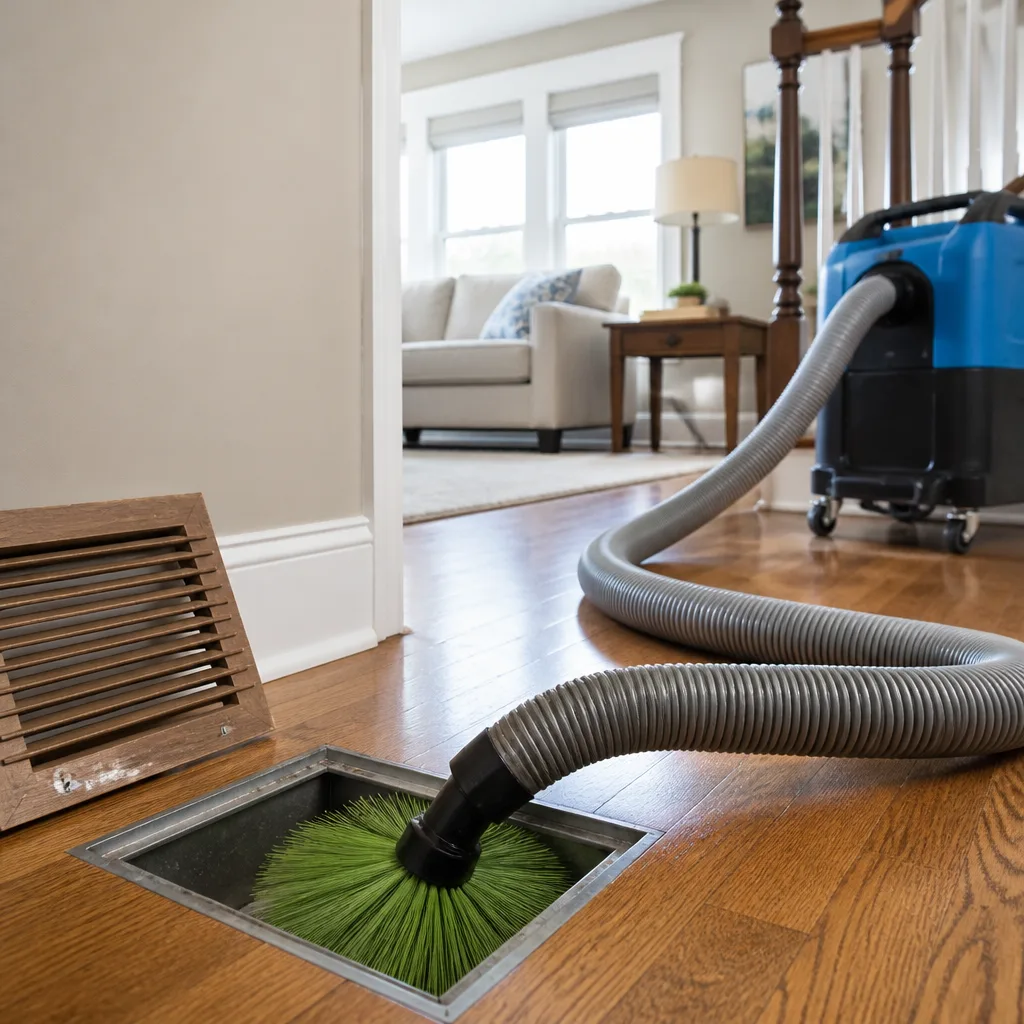 Whole-home duct cleaning
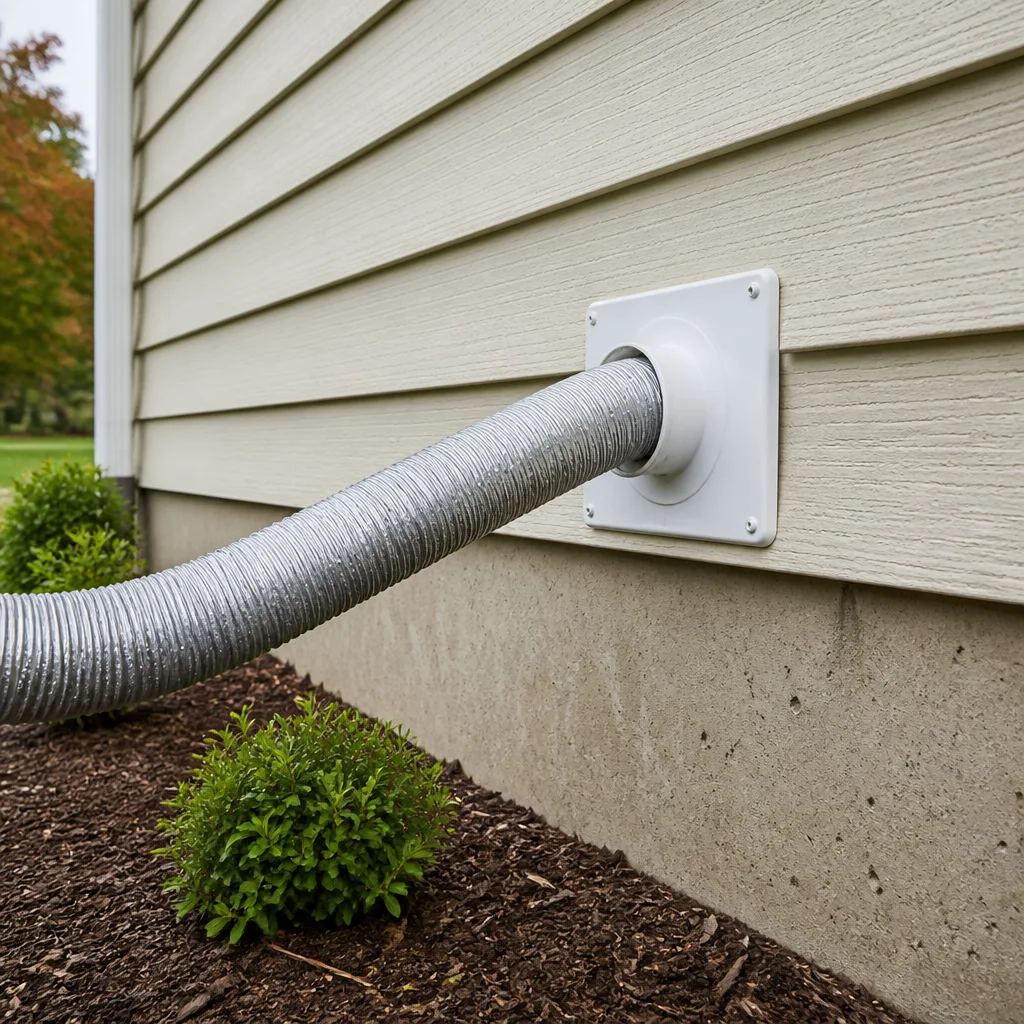 Dryer vent cleaning
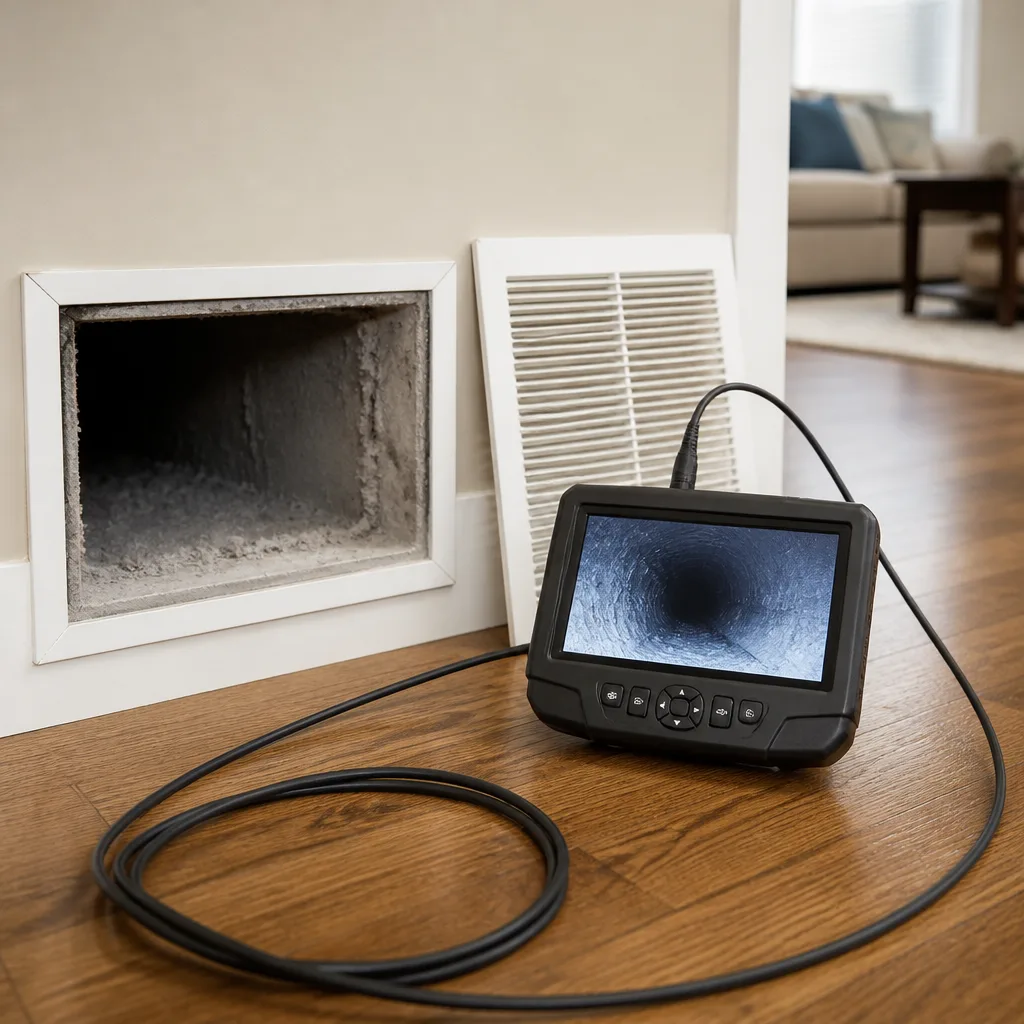 Camera inspection
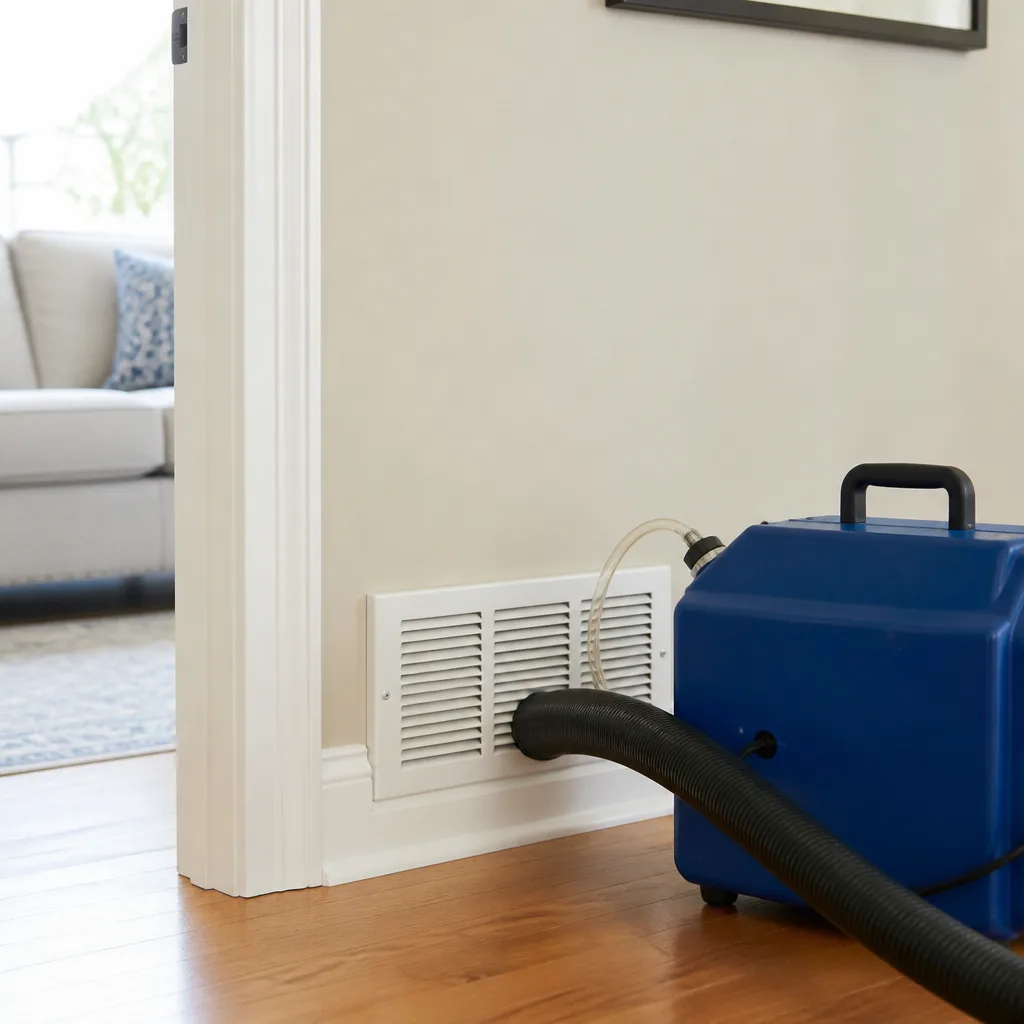 Sanitizing & deodorizing
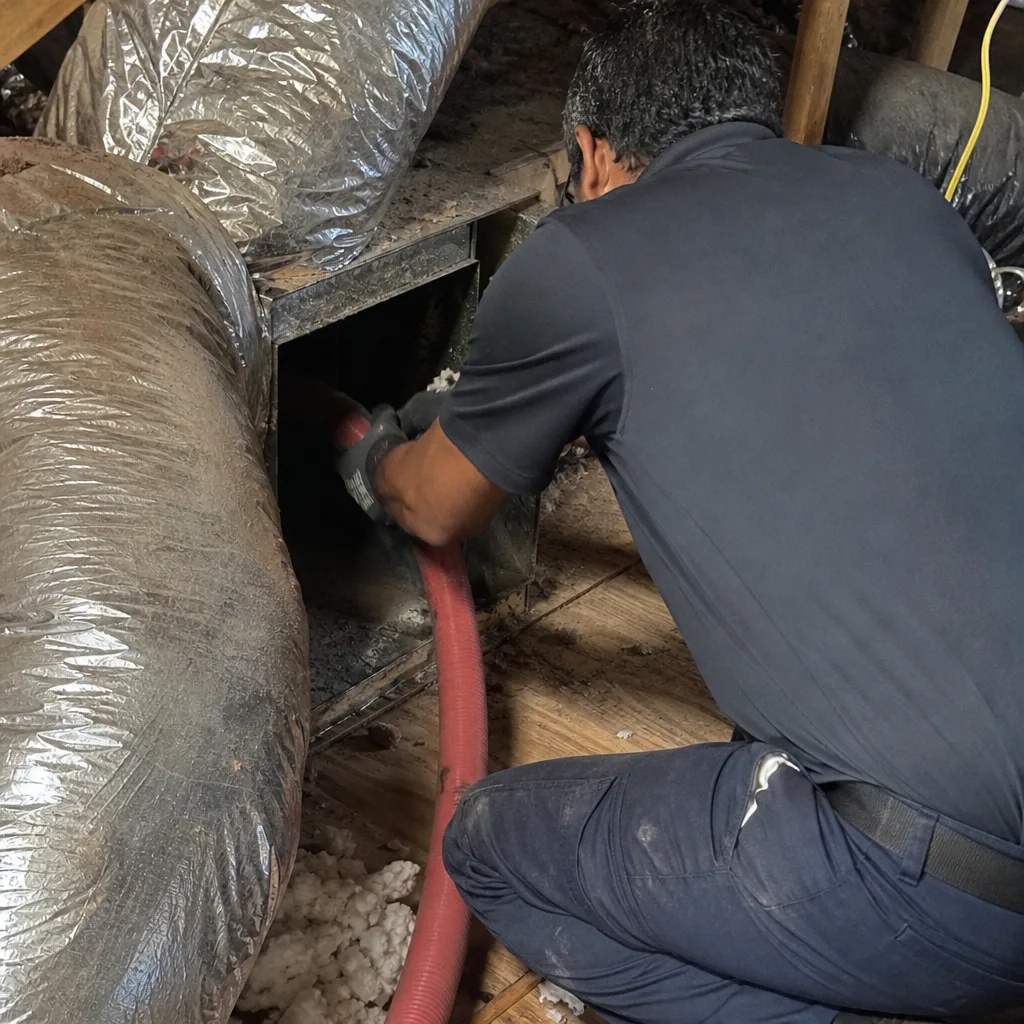
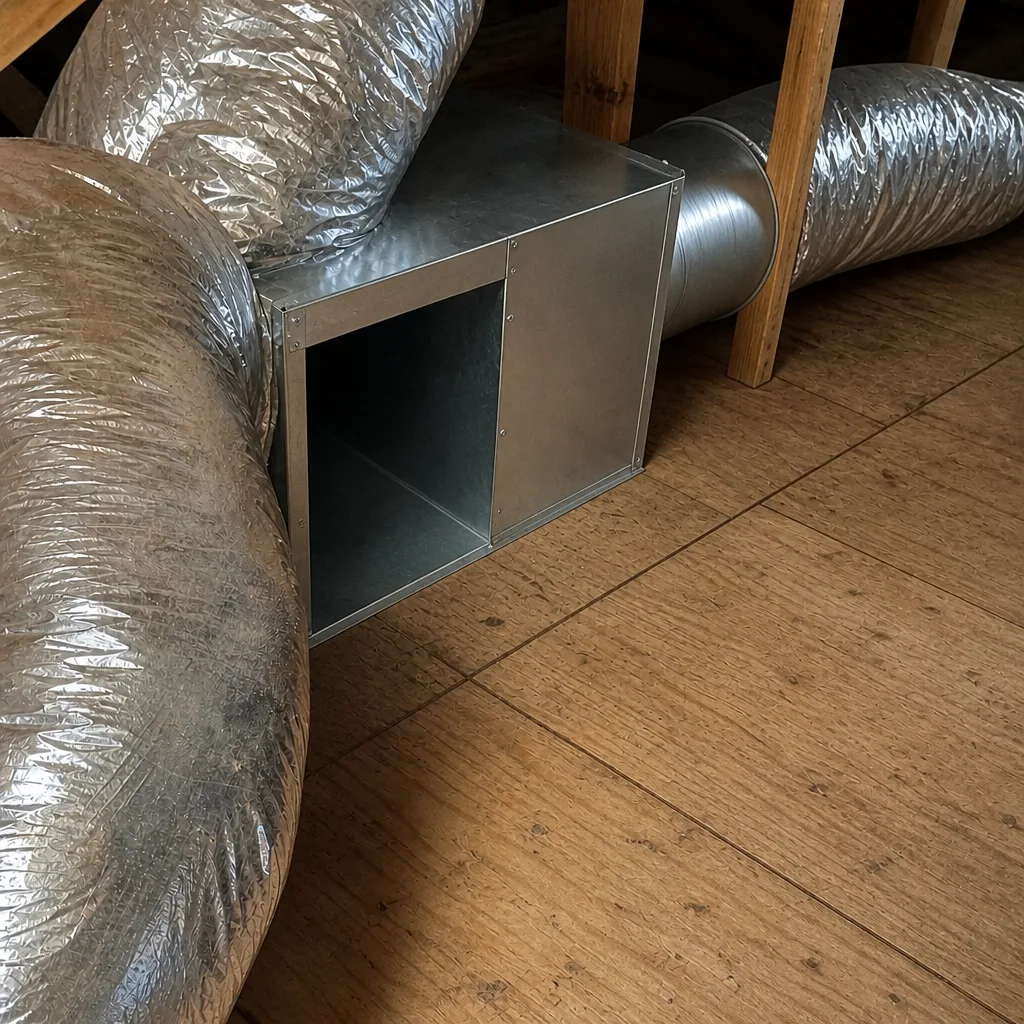
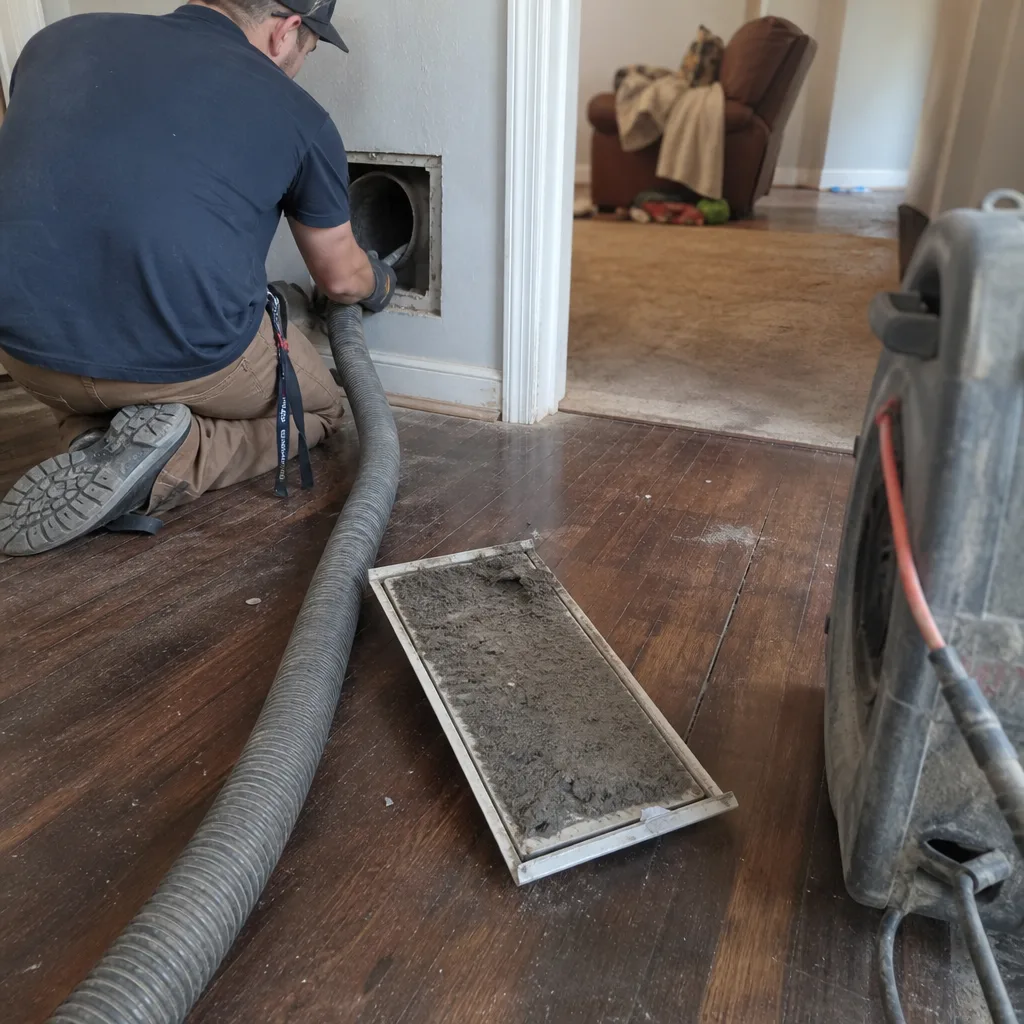
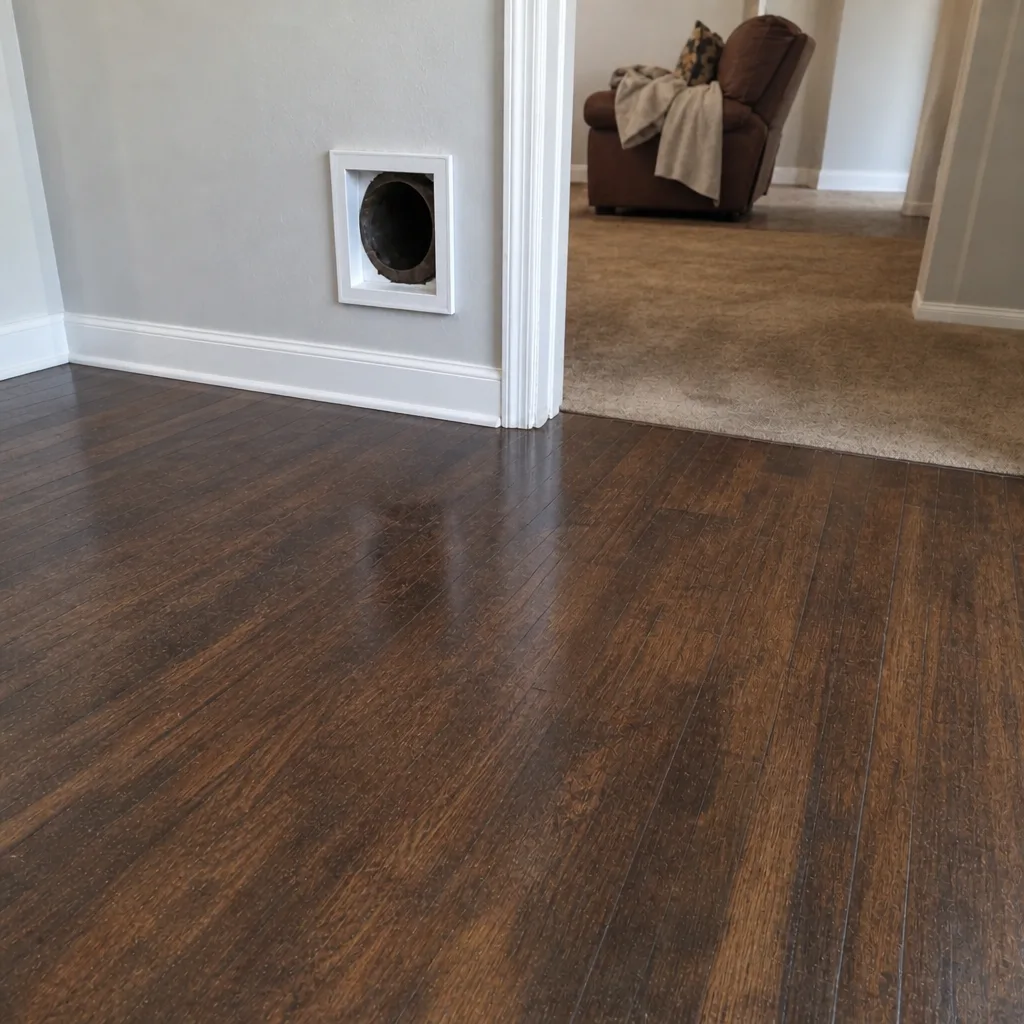
Whole-system duct and dryer vent check with before-and-after photos - you see exactly what came out of your vents
That "$99 whole-house special" is a bait ad - the real number appears once they are in your hallway, or the "clean" is a shop-vac at the register. We photograph the inside of your ducts before and after instead.
Choosing the Right Air Duct Cleaning Brand: A Buyer’s Guide for Killeen
Most homeowners in Killeen pick a duct cleaning company the same way they pick a pizza place: whoever shows up first in the search results. That’s backwards. Duct cleaning is a mechanical job done inside your walls, and the equipment a contractor brings through your front door tells you more about the outcome than any review score ever will. A company that can’t name the make and model of its vacuum collection unit has told you something useful. In this guide, you’ll learn the three equipment categories that matter, how to read a CFM rating, why a truck-mounted system usually beats a portable one in Killeen’s slab-foundation homes, and the exact phrasing to use when you ask the equipment question on a quote call.
Quick Answer
The right air duct cleaning brand in Killeen is defined by equipment, not advertising. Look for commercial-grade source-removal vacuums and HEPA filtration from recognizable manufacturers, negative-air containment during the job, and a company that can also repair ductwork rather than only clean it. If a contractor can’t name specific equipment brands on request, keep shopping.
Styles & brands we work with
- Whole-home duct cleaning
- Dryer vent cleaning
- Camera inspection
- Sanitizing & deodorizing
Table of Contents
- What equipment should a duct cleaning company actually own?
- How do you verify equipment capability claims?
- Why do truck-mounted systems outperform portables in Killeen homes?
- What’s the difference between equipment a company owns and rents?
- Why duct repair capability should be part of your decision
- Filtration upgrades: who should be recommending them?
- How to ask the equipment question without sounding adversarial
- The safety service most buyers overlook
What equipment should a duct cleaning company actually own?
A legitimate duct cleaning operation runs three equipment categories. If a company is missing any one of them, the job is incomplete no matter how long they spend in your home.
The first is the source-removal vacuum: a high-powered collection unit that pulls loose debris out of the duct system and holds it. The second is an agitation tool, typically a rotary brush system that scrubs the duct walls so debris detaches in the first place; without agitation, a vacuum only grabs what’s already loose. The third is an inspection scope, a camera that lets a technician confirm the condition of the duct interior before, during and after the work.
Name-brand standards exist in each category. Rotobrush rotary brush systems are the recognizable standard on the agitation side. Nikro HEPA vacuum equipment is common on the collection side in residential and light commercial work. Abatement Technologies builds negative-air and containment equipment used widely in commercial and industrial environments.
At Duct Cleaning Killeen, those three brands are the equipment basis for every job. That’s a specific claim, and you should hold it to the same test you’d apply to any contractor. Rotobrush and Nikro are professional systems, not consumer shop vacs with a longer hose. Abatement containment means contaminants are captured and exhausted rather than redistributed through living space during cleaning.
Ask a prospective contractor to walk you to the van and point at each of the three. A company that can do that is operating at a different mechanical standard than one that changes the subject.
How do you verify equipment capability claims?
Equipment claims are easy to make and easy to test. Two numbers do most of the verification work: CFM and HEPA certification.
CFM stands for cubic feet per minute, and it’s the airflow a collection unit can sustain. In duct cleaning, higher CFM means the vacuum can hold debris in suspension long enough to capture it, rather than letting it settle back on the duct wall. A HEPA rating means the unit’s filtration captures particles at the HEPA standard, which for residential work matters because the fine particulate is the fraction that stays airborne in your home the longest.
Here’s how to check both without turning the call into an audit:
- Ask what collection unit they run and confirm the manufacturer name.
- Ask whether it’s HEPA-rated and whether the filters are replaced between jobs.
- Ask how they prevent dust from entering the living space during cleaning (the answer should describe containment, not “we’re careful”).
- Ask whether they bring a camera into the duct to show you before-and-after condition.
- Ask whether agitation is rotary brush, air whip, or both, and why they chose one for your home.
The answers tell you whether the equipment is real and whether the technician understands it. A crew that runs commercial-grade gear knows the CFM of its unit. A crew that rents a portable once a month usually doesn’t, and that gap shows up in the final condition of your ductwork, not just the invoice.
Why do truck-mounted systems outperform portables in Killeen homes?
Killeen’s housing stock leans toward slab-foundation single-family homes, many with long duct runs through attic or soffit spaces and multiple branch lines feeding bedrooms and common areas. Those runs create static pressure, and static pressure is where portable units fall short. A truck-mounted vacuum generates substantially more sustained airflow over a long hose run than a portable ever will, and that difference is measurable at the far end of the system.
The practical effects in a Killeen home:
- Long reach. A portable unit loses suction with hose length. Truck-mounted systems hold it across the whole house.
- Deeper agitation payoff. When a rotary brush knocks debris off the duct wall, the vacuum has to be strong enough to capture it before it settles again. Higher CFM does that.
- Multiple returns handled at once. Homes with more than one return line need consistent negative pressure throughout. Portables typically only pressurize one zone at a time.
- Less interior disturbance. With proper containment, a truck-mounted system does most of the work from outside the living space.
Not every job requires a truck mount, and a small condo with short runs may not need one. But in a typical Killeen three-bedroom home with a long trunk line, the truck-mounted setup is the correct tool. Ask which setup a contractor plans to use and why. If the answer is “we use what we bring,” that’s a signal this conversation hasn’t happened before.
What’s the difference between equipment a company owns and rents?
Equipment ownership is a proxy for technician skill. A company that owns a Rotobrush system and a Nikro vacuum has made a capital investment in duct cleaning as a specialty. A company that rents a portable on an as-needed basis is running duct cleaning as a side line, and the technician operating it may be doing so for the first or second time.
This matters in ways that aren’t obvious at quote time. Owned equipment means:
- The technician has run the same machine hundreds of times and knows its limits.
- Filters and brushes are maintained on a schedule the company controls, not the rental counter’s.
- The company can explain its process because it built the process around its gear.
- Repair work is possible, because the same crew that identifies a problem has the diagnostic tools to fix it.
You can ask this directly: “Do you own your equipment or rent it?” It’s a completely reasonable question, and the honest answer is usually short. Duct Cleaning Killeen operates Rotobrush, Nikro and Abatement equipment as core assets, and our technicians have up to 12 years of experience running those specific systems. That combination is what makes the difference between a crew that cleans and a crew that can also diagnose and repair what’s underneath the cleaning.
Why duct repair capability should be part of your decision
Cleaning a damaged duct system is like mopping a floor with a hole in the bucket. Disconnected joints, crushed flexible runs, and leaking seams mean the system loses conditioned air before it reaches a room, and cleaning alone can’t fix a physical break. That’s why we treat air duct repair as a core service alongside cleaning, not an upsell.
In Killeen, duct damage usually comes from three places:
- Age and settling. Older installations can loosen joints and seams over time, especially where the duct runs meet the plenum.
- Renovation and pest activity. Both can crush or disconnect flexible duct runs in attic space.
- High static pressure. Undersized or poorly designed duct systems strain at the joints where pressure is highest.
A company that only cleans will document a disconnected run and hand you a photo. A company that repairs can fix it on the same visit and show you the corrected joint. When you’re comparing brands, ask one question: “If you find damaged ductwork, what do you do about it?” If the answer involves a referral to a different contractor, you’re getting half a service.
Filtration upgrades: who should be recommending them?
Duct cleaning is a one-time event. Filtration is ongoing, and it determines how fast your ducts dirty up again. A cleaning company that doesn’t discuss filtration is leaving the root cause untouched. Better air starts at the duct, but it stays there through the filter.
Honeywell and Aprilaire are the two brands most commonly installed in residential HVAC systems, and we carry both. The right recommendation depends on your system: a media filter cabinet on a high-SEER air handler, a whole-home air cleaner on a system with restricted return space, and what your equipment can handle without choking airflow. Guardsman products fit into some installations as well, particularly around return air and filter housings.
What to listen for on a quote call: a company that asks what filter you currently run, how often you change it, and whether anyone has checked the filter cabinet for bypass. Those questions mean the technician is thinking about long-term air quality, not just a one-visit sale. If the recommendation is simply “clean everything” with no filter conversation, ask why. The honest answer is that cleaning will help for a while, and the filter determines how long.
How to ask the equipment question without sounding adversarial
The equipment question is easier to ask than most homeowners expect. You’re not accusing anyone of anything. You’re asking a trade question, the same way you’d ask a mechanic what diagnostic tool they use.
Here’s the phrasing we recommend when you’re on the phone:
- “What vacuum system do you run, and who manufactures it?” Straightforward, answerable in one sentence.
- “Is it HEPA-rated, and when were the filters last changed?” Buyers who ask this get taken seriously.
- “Do you bring containment equipment, or do you rely on the vacuum alone?” The answer tells you whether dust ends up in the living room.
- “Do you own your equipment or rent it?” Ownership signals a specialty. Rentals signal a side line.
- “Can you show me before-and-after photos from inside the duct on the day of the job?” A yes means the camera is part of the process, not a bonus.
You’ll know within thirty seconds whether the person on the other end has thought about their equipment before. A trained technician enjoys the question; it’s part of the trade. If the answer is vague, or the response pivots to price, that’s information. It’s not hostile to ask. It’s just informed.
The safety service most buyers overlook
Most duct cleaning quotes stop at HVAC ductwork. Dryer vent cleaning rarely comes up, and that’s a gap. Lint accumulation in a dryer exhaust line is a leading cause of residential fires according to NFPA data, and a dryer vent is functionally a duct that fills up faster than any HVAC run in the house.
If you’re already having a specialist in the home for air duct cleaning, adding dryer vent cleaning to the same visit is efficient, because the equipment and containment are already there. Look for a company that treats the dryer vent as a fire-safety service, not a line item. The right conversation includes how the vent run is routed, whether it terminates where it should, and what condition the flexible line is in. Those details are what make the work meaningful.
Killeen homeowners who are already scheduling ductwork service are in the best position to have this done at the same time. It’s a short add-on with a safety outcome that’s easy to verify.
Common Mistakes to Avoid
- Choosing on price alone. The lowest quote is usually the quote with the least equipment behind it. In Killeen, that difference shows up in how much debris actually leaves the duct system.
- Not asking about containment. A crew that skips negative air can leave fine particulate settled on every horizontal surface in the house. Ask how they prevent cross-contamination, and accept only an answer that names the method.
- Accepting a per-vent price with no whole-system scope. Every system has shared components – the plenum, the trunk line, the return path – and a per-vent number can leave those untouched.
- Skipping the camera. If the technician doesn’t show you what’s inside the duct before and after, you can’t verify the work. Photos aren’t a bonus; they’re the evidence.
- Ignoring the filter. A new cleaning with a clogged or bypassing filter will regress faster than any homeowner expects. The filter is part of the fix.
- Cleaning without checking for damage. A disconnected run or crushed flex line means cleaning is only half the job. Ask upfront whether repair is on the table.
- Forgetting the dryer vent. It’s a fire-safety component, not an afterthought, and it deserves the same attention as the HVAC side.
See the difference
 Before
 After
 Before
 After
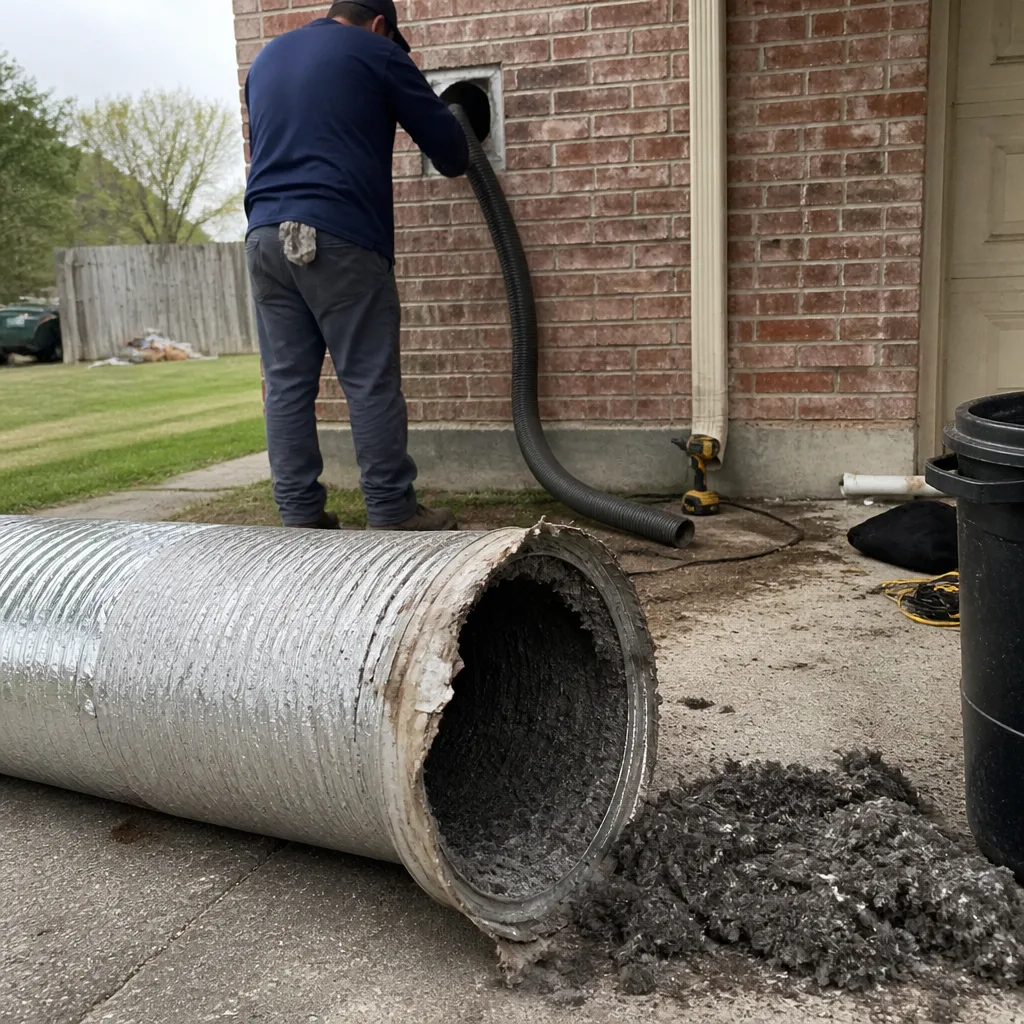 Before
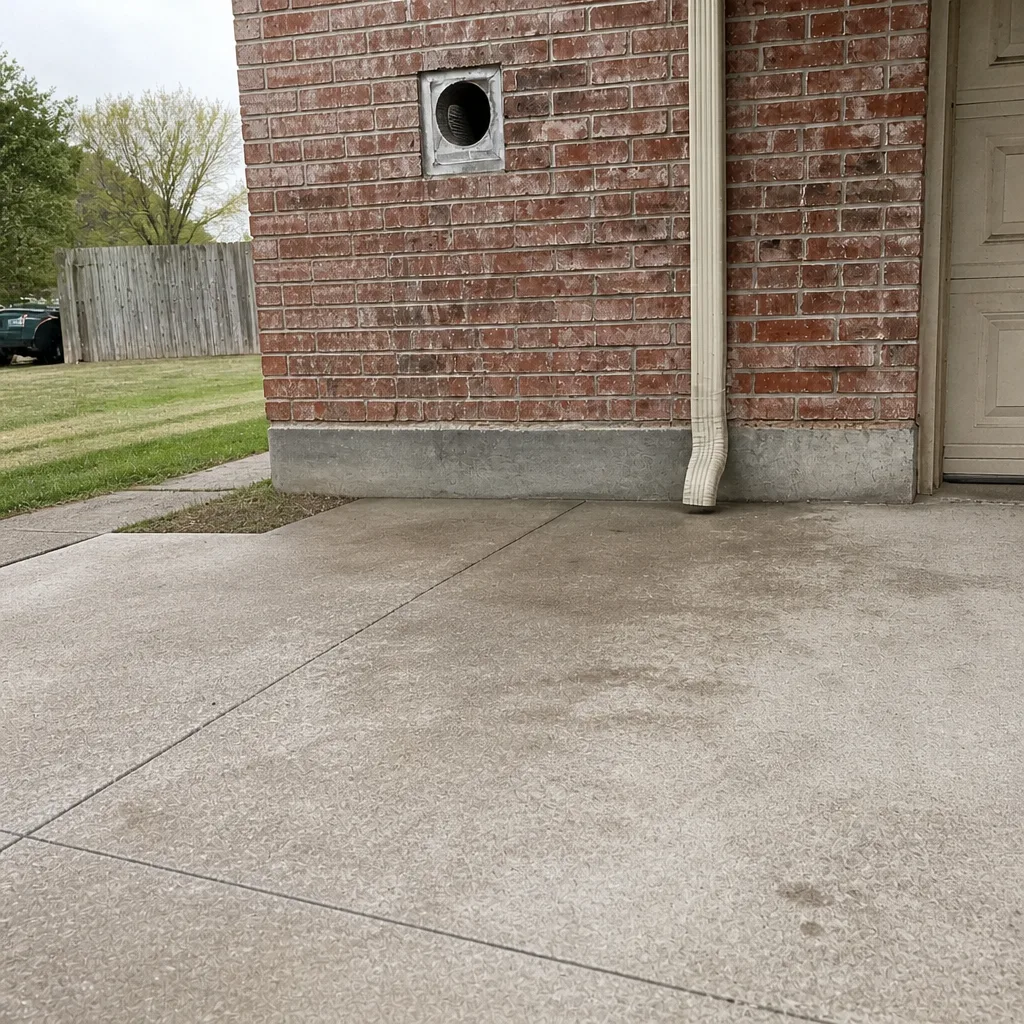 After
When to Call a Professional
Duct cleaning isn’t an annual chore, and it isn’t something to guess at. Call a specialist when you notice visible dust on supply registers shortly after changing filters, when a room never gets the airflow it should, when you’ve finished a renovation that generated dust or debris, when you’ve had pest activity in attic space, or when it’s simply been long enough that nobody remembers the last cleaning. If you see loose or disconnected runs in the attic yourself, that’s an immediate call for repair.
Duct Cleaning Killeen offers free estimates in Killeen – call (833) 754-6799. We answer 24/7. Fast dispatch from 7am to 7pm, Sunday through Friday.
Frequently Asked Questions
Cost depends on the size and layout of the system, the number of returns, and whether duct repair is needed, so there’s no honest one-size price. We give a free written estimate before any work starts, and that estimate sets the final price. Call (833) 754-6799 for an exact quote.
Cheap quotes usually reflect portable equipment, less time on the job, or a per-vent scope that skips shared components like the plenum and trunk line. The equipment and the scope are the two variables that matter most, and both are asked-about issues. A cheap quote and a thorough quote are not measuring the same job. Call (833) 754-6799 for a free estimate and we’ll walk through exactly what’s included.
Before-and-after photos from inside your own ductwork are the answer. A camera scope lets the technician document condition at the start and end of the visit, and you keep the record. If a company can’t provide that, that’s information about how they operate. Call (833) 754-6799 to see how we document the work.
There’s no fixed interval that fits every home. Homes with pets, recent renovation, or allergy-sensitive occupants tend to need it more often than homes with low occupancy and clean returns. The right question is what the ducts look like now, not what the calendar says. Call (833) 754-6799 for a free estimate and an honest read on your system.
Yes, dryer vent cleaning is a core service. Lint accumulation in dryer exhaust lines is a leading cause of residential fires per NFPA data, and Killeen homes with the same footprint as any other city are just as exposed. Cleaning it alongside the HVAC ducts is efficient. Call (833) 754-6799 to schedule.
We repair ductwork, including disconnected joints, crushed runs, and leaking seams. Cleaning alone can’t fix a physical break, and a contractor who can only document damage leaves you calling someone else. Ask any company you consider whether repair is in scope. Call (833) 754-6799 to talk through your system.
The Bottom Line
Picking the right duct cleaning brand in Killeen comes down to what the company brings through the door. Ask about the vacuum system, the containment setup, the camera, and the filter. Ask whether the equipment is owned or rented. Ask what happens if the technician finds damaged ductwork. If the answers are specific and grounded in named equipment, you’re working with a specialist. If they’re vague or pivot straight to price, keep looking. Duct Cleaning Killeen runs Rotobrush, Nikro and Abatement equipment, carries Honeywell and Aprilaire filtration, and repairs ductwork alongside cleaning. Call (833) 754-6799 for a free estimate.
Written by the team at Duct Cleaning Killeen.