
Last updated November 14, 2026
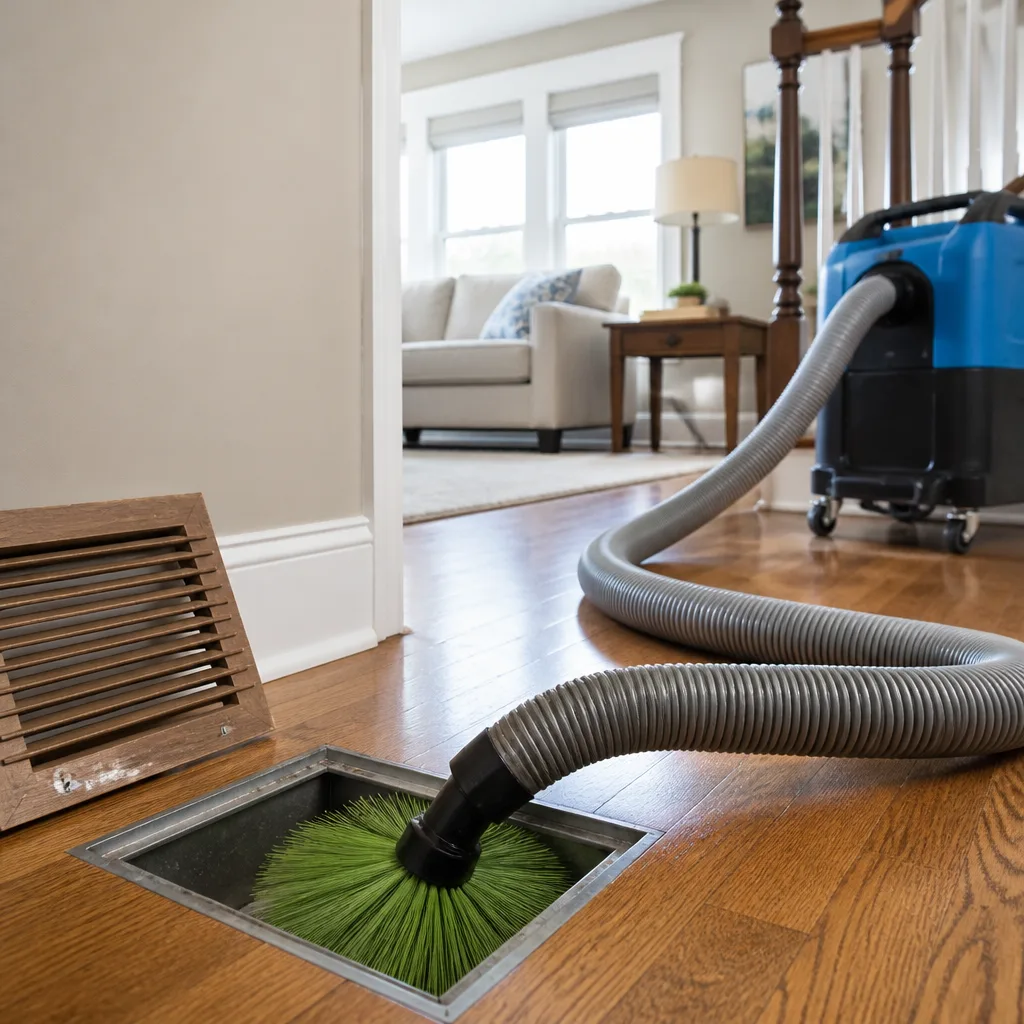 Whole-home duct cleaning
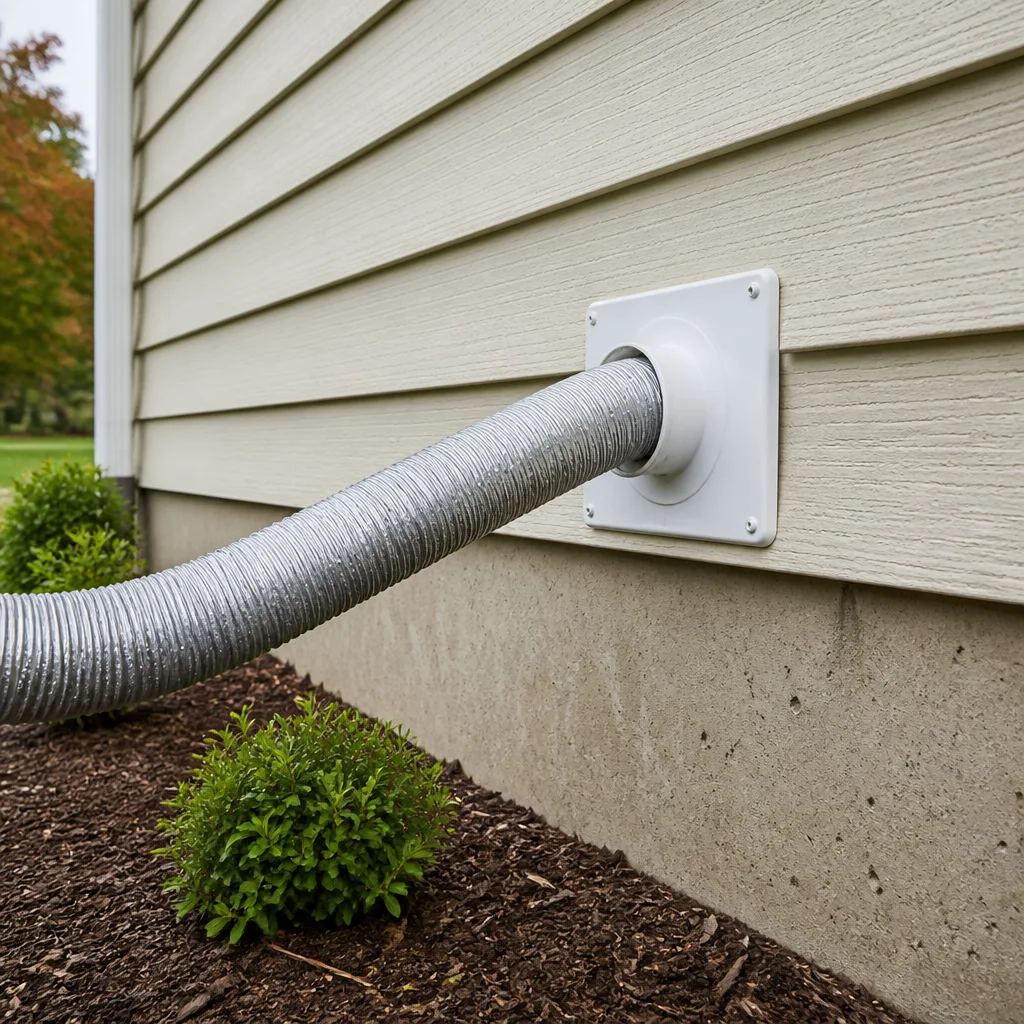 Dryer vent cleaning
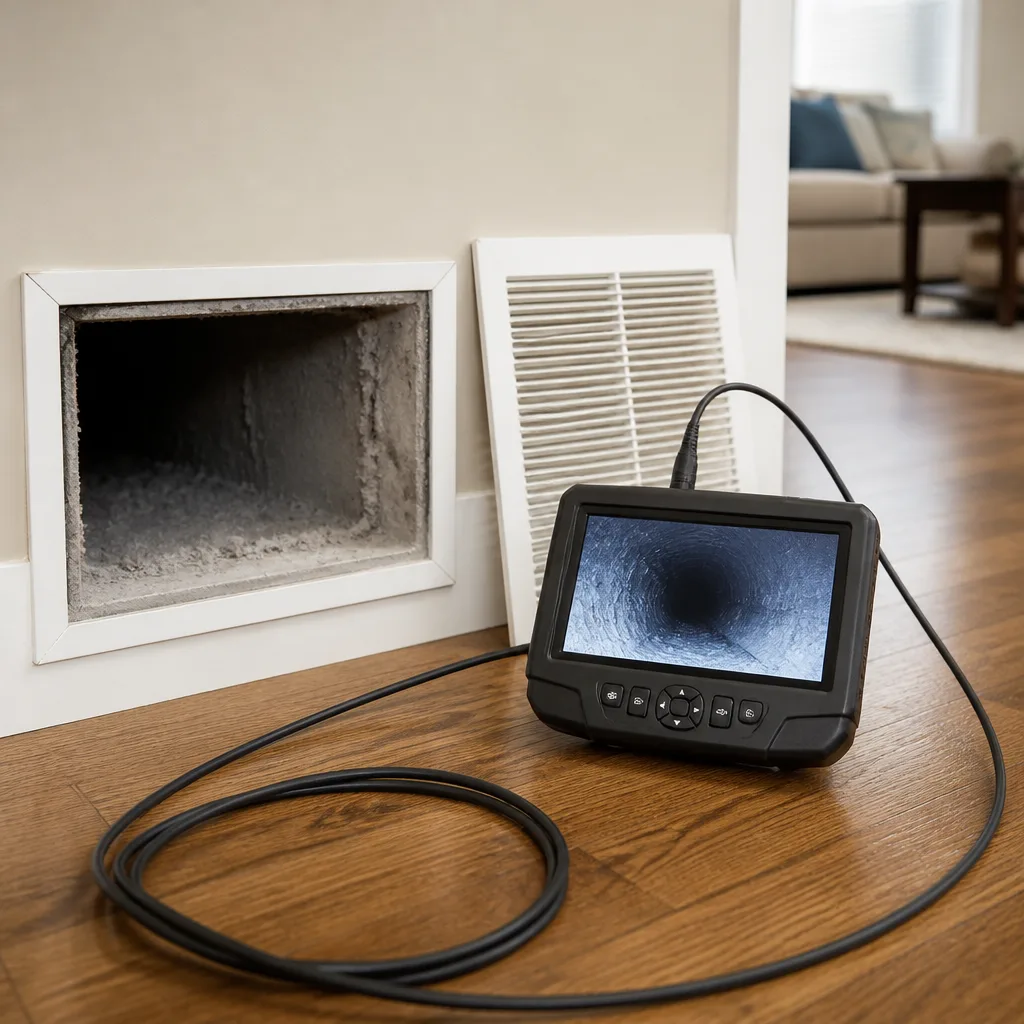 Camera inspection
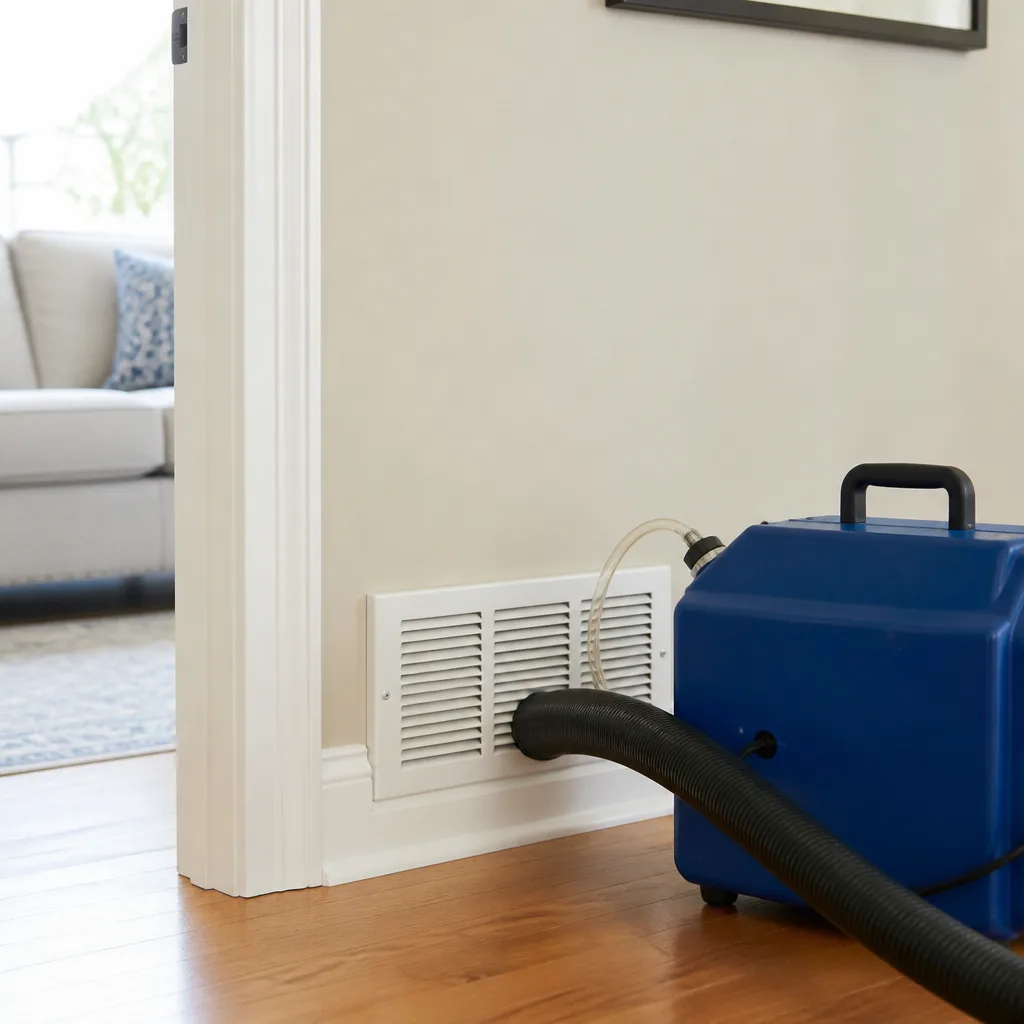 Sanitizing & deodorizing
Whole-system duct and dryer vent check with before-and-after photos - you see exactly what came out of your vents
That "$99 whole-house special" is a bait ad - the real number appears once they are in your hallway, or the "clean" is a shop-vac at the register. We photograph the inside of your ducts before and after instead.
Air Duct Cleaning Maintenance Schedule: What to Do and When
Most homeowners carry around a single number for duct cleaning: every three to five years, no matter what. It sounds tidy and authoritative, and it’s the reason two very different households end up on the same schedule. A childless couple with no pets in a 2019 build and a family with two dogs in a 1998 slab home don’t accumulate dust at remotely the same rate, and treating them the same either wastes money or lets a real problem sit in the trunk line for years. In Killeen, the variables stack up fast: long humid summers, heavy oak and cedar pollen seasons, caliche dust blowing off the surrounding terrain. This guide walks through a schedule built around your specific household conditions, plus the checkpoints that stretch time between professional cleanings and tell you when to stop waiting.
Quick Answer
Most Killeen homes should schedule professional air duct cleaning every 3 to 5 years, but that interval shrinks to 2 to 3 years for homes with pets, allergy sufferers, recent renovation dust, or heavy AC use through the humid months, and stretches toward 5 to 7 years for low-occupancy homes with no pets and good filtration. Check your filter monthly, inspect a register with a flashlight and phone camera a couple of times a year, and book a cleaning in October after the cooling season has pushed months of load through the system.
Styles & brands we work with
- Whole-home duct cleaning
- Dryer vent cleaning
- Camera inspection
- Sanitizing & deodorizing
Table of Contents
- What Actually Changes Your Cleaning Interval
- Killeen Conditions That Speed Up Duct Fouling
- Filter Checkpoints That Extend Time Between Cleanings
- How to Self-Inspect a Register With a Flashlight and Phone Camera
- Why October Is the Best Window for Duct Cleaning in Killeen
- A Year-at-a-Glance Duct Maintenance Schedule
- The Dryer Vent Is on a Different Schedule Entirely
- Cleaning Versus Repair: Knowing Which You Need
What Actually Changes Your Cleaning Interval
A generic three-to-five-year rule assumes every home loads its ductwork at the same rate. It doesn’t. The interval that makes sense for your house depends on how much particulate enters the system, how well the filtration captures it, and how hard the air handler runs through the year. Pets are the single biggest variable. One shedding dog inside a house can double the dust load reaching the return, because pet dander binds to other particles and settles in the duct lining where a filter can’t reach it. Two dogs, and a three-year-old cleaning schedule starts to look conservative.
Allergies and respiratory conditions shift the math in a different way. It isn’t only about how much contamination exists; it’s about how much a sensitive person can tolerate in the airstream. Homes with allergy sufferers tend to benefit from shorter intervals and better filtration together, not one without the other.
Renovation activity is the most overlooked factor. Drywall dust, sawdust, and insulation fibers generated during a remodel migrate into the return system within days and settle deep in the trunk line. A home that just finished a kitchen renovation should be cleaned sooner than its calendar interval suggests, not later.
Home age matters too, though not in the direction most people assume. Older homes often have ductwork that’s developed small leaks and disconnected joints, which pull attic or crawlspace air into the system. That doesn’t just add dust; it adds the wrong air entirely. We’ve seen this pattern repeatedly across Killeen, where older slab homes and newer builds sit side by side.
- No pets, low occupancy: 5 to 7 years is often reasonable
- One or more pets: 2 to 3 years
- Allergy or asthma in the household: 2 to 3 years, with filtration upgrade
- Recent renovation: clean within a few months of completion
- Home with known duct leaks or disconnections: repair first, then clean
Killeen Conditions That Speed Up Duct Fouling
Central Texas has a specific set of conditions that push duct contamination faster than the national average, and they’re worth understanding if you’re building a maintenance calendar. The first is humidity. Killeen’s cooling season runs long, and the air handler pulls a tremendous volume of humid air across the coil for months on end. When the coil stays damp between cycles, dust that reaches the plenum sticks rather than blowing through. That sticky layer becomes the base for biological growth, and once it’s established, cleaning the visible registers won’t touch it.
The second is pollen. Spring in this part of Texas means oak pollen first, then cedar, and both find their way into return air. Pollen particles are small enough to pass a standard filter and land in the duct lining, where they sit and accumulate. Homeowners who are sensitive to oak or cedar often notice their symptoms persist indoors well past the outdoor season because the ductwork is holding a reservoir.
The third is caliche dust. The surrounding terrain here is full of it, and wind-blown caliche finds its way into attics, garages, and eventually return air. It’s fine, alkaline, and abrasive, which means it doesn’t just sit harmlessly in the duct; it can wear on blower components over time. Homes near active construction or unpaved lots see this load increase noticeably.
If your home sits in an area with all three working at once, a longer interval isn’t a money-saver. It’s an accumulation problem. Our air duct cleaning service addresses all three loads in a single visit, using Rotobrush rotary brush systems to loosen adhered material and Nikro HEPA vacuum equipment to capture it at the source.
Filter Checkpoints That Extend Time Between Cleanings
The cheapest duct maintenance you can do is the filter, and the right filter schedule can add a year or more between professional cleanings. But the choice of MERV rating matters as much as how often you check it. A filter that’s too restrictive chokes airflow and strains the blower; one that’s too open lets fine particulate straight through to the coil and ductwork.
For most Killeen homes, a MERV 8 to MERV 11 filter is the practical sweet spot. It captures the bulk of pollen, dander, and dust without creating the pressure drop that a MERV 16 can cause on a residential system not designed for it. Homes with allergy sufferers may benefit from MERV 13, but only if the system can handle the resistance; that’s a conversation worth having with an HVAC professional before you swap filters.
Check cadence depends on your household. Here’s a working schedule:
- Monthly: Hold the filter up to a light. If you can’t see through it, replace it. Homes with pets should check every 30 days without fail.
- Every 90 days: Replace a standard 1-inch filter regardless of appearance. These pleats load faster than they look.
- Every 6 months: For thicker 4- or 5-inch media filters, inspect and replace as needed. These last longer but still load.
- After any renovation: Replace immediately, then again two weeks later. Fine drywall dust keeps circulating long after the work ends.
Upgrading to a media cabinet with a Honeywell or Aprilaire filter gives you better capture and a longer service life than a 1-inch slot filter ever will. Those are the brands we carry, and we can recommend the right fit for your air handler during the same visit as a cleaning.
How to Self-Inspect a Register With a Flashlight and Phone Camera
You don’t need special tools to know whether your ducts need attention, and you don’t need to remove anything to look. A flashlight and the phone in your pocket are enough to tell surface dust from a deeper problem. This is one of the most useful things a homeowner can learn, because it turns “I think it’s been a while” into an actual observation.
- Turn the system off at the thermostat. You want the blower stopped before you open anything.
- Remove one supply register in the room you use most and one return grille. Set the screws somewhere you’ll find them.
- Shine the flashlight up into the duct boot, the short section between the register and the main trunk line. Note the color of the interior lining. Light gray is normal. Dark gray, brown, or fuzzy means buildup.
- Take a photo up into the boot with your phone’s camera, then zoom in on the image. In our experience, the camera sees what your eye glosses over, especially a faint coat of dust along the sheet metal.
- Look for streaks or darker bands in the trunk line where dust is sticking to the sides. Uniform light dust is surface-level; streaks mean airflow is depositing material where it can accumulate.
- Point the flashlight at the blower compartment if accessible from outside the unit (never open the panel). A dusty blower wheel is a sign the system is pulling particulate through to the mechanical components.
- Smell. A musty or stale odor at a register that isn’t present in the room is a strong signal that biological growth is present in the duct or coil.
If the photo shows a light, even coat, you have time. If it shows clumping, dark staining, or fuzzy growth, don’t wait out your interval. Our Duct Cleaning Killeen team can walk through the photos with you and tell you what you’re looking at, without pressure.
Why October Is the Best Window for Duct Cleaning in Killeen
Timing the cleaning right is almost as important as doing it. In Killeen, the cooling system runs at high load for months on end, pulling humid air, pollen, and dust through the same ductwork all summer. By the time October rolls around, the system has just finished its hardest stretch of the year, and the coil and ductwork are carrying the accumulated load of the whole cooling season.
Cleaning in October captures that buildup before it gets baked into place by the next cooling season, and before the heating cycle starts moving air through the same ductwork at higher temperatures. A clean system going into fall and winter means the heated air that circulates through the house is moving through clean passages. By contrast, cleaning in April means the system will sit idle through the shoulder season and accumulate dust before it ever runs again; you pay for the cleaning and then let a small dust layer settle before the heavy days arrive.
October also gets ahead of oak pollen season, which in this part of Texas arrives in early spring. Cleaning in the fall means the ductwork isn’t holding last season’s pollen when the new season starts. Cedar pollen follows in winter, and by the time it hits, the system is still clean from the fall cleaning.
Other homeowner maintenance fits the same rhythm. If your air handler filters need replacement or your dryer vent needs cleaning, October is the right time to batch it. One scheduled visit, one set of access steps, one coordinated pass through the system.
A Year-at-a-Glance Duct Maintenance Schedule
Here’s the calendar most of our clients settle into once they’ve seen the variables at work. The exact months shift with your household, but the structure holds. Treat it as a starting point, not a rigid set of dates.
- January: Check filter. Note any dust streaks around registers, which can suggest leaks at the boot or collar.
- February: Cedar pollen peaks. Watch for increased dust at supply registers if anyone in the home is sensitive.
- March: Oak pollen arrives. Replace filter if visible loading. Check the dryer vent lint screen and the full run if it’s been more than a year.
- April: System begins its heavy cooling run. Replace filter as load begins.
- May through September: Filter checks every 30 days during peak cooling. Note any musty smell at registers, which would suggest the coil or ductwork needs attention.
- October: Book the air duct cleaning. The cooling system has run its peak season, and the ductwork is now carrying the full summer’s dust load.
- November: Replace filter after cleaning. Inspect registers post-cleaning to confirm the interior lining reads light gray.
- December: Check the dryer vent; the holiday laundry load tends to surface lint buildup.
A professional cleaning should also include a quick inspection of the duct joints and connections. If we find a disconnected section or a joint that’s leaking air into the attic, we can address it as part of the same visit through air duct repair, rather than sending a separate crew.
The Dryer Vent Is on a Different Schedule Entirely
Ductwork and dryer vents are often lumped together because both are “ducts,” but they’re entirely different maintenance items. The dryer vent carries hot, lint-laden air out of the home, and lint is flammable. A clogged dryer vent is a genuine fire hazard, and the National Fire Protection Association has long identified dryer vent blockage as a leading cause of residential fires. That makes dryer vent cleaning a home-safety routine, not a comfort upgrade.
How often? A household running two loads a week with a standard-length vent run should have the vent cleaned once a year. Households running five or more loads a week, or homes with long or twisting vent runs, benefit from cleaning every six months. Multi-pet households that wash bedding and pet blankets frequently should err on the shorter side.
The self-check is straightforward. After the dryer runs a full cycle, walk outside and feel the air coming from the exterior vent hood. It should be a strong steady flow. A weak flow, a small puff, or a hood flap that barely lifts is a sign the run is restricted. If the exterior hood is full of lint, the interior run almost always is too.
Our dryer vent cleaning service uses the same commercial-grade equipment as the duct work, and the visit is fast. It’s worth doing once a year as an insurance policy for a hazard that’s cheap to prevent and costly to miss.
Cleaning Versus Repair: Knowing Which You Need
Not every contamination problem is a cleaning problem. Sometimes ductwork is damaged, disconnected at a joint, or leaking at a collar, and no amount of cleaning will fix the fact that air from the attic or crawlspace is still entering the system. In homes across Killeen, older flexible duct runs that have come loose at the collar are more common than most homeowners expect.
A quick way to tell where you stand: if you see dust streaks around a register housing, outside the interior duct surface, that’s a sign air is escaping or entering at the joint. If a room never seems to heat or cool as well as the rest of the house, and the register is the same size as others, the run may be disconnected deeper in the system. Those are repair signals, not cleaning signals.
We treat repair as a first-class part of the job, because cleaning a disconnected run just means cleaning the wrong thing. When we spot a failure during a cleaning visit, we can address it on the spot with air duct repair rather than documenting it and sending a separate crew later.
The sequence matters. If ductwork is damaged, repair first, then clean. Otherwise the cleaning loosens dust that immediately gets pulled into the home through the leak. Better air starts at the duct, and that means starting with ductwork that actually holds air. If you’re not sure which case you’re in, the quickest way to know is a call: (833) 754-6799. We answer 24/7. Fast dispatch from 7am to 7pm, Sunday through Friday.
Common Mistakes to Avoid
- Applying the generic 3-to-5-year rule to every home. Households with pets, allergy sufferers, or a recent renovation need a shorter interval; a low-occupancy home with strong filtration doesn’t. Killeen’s humid summers and caliche dust push the interval shorter than the national average for most homes.
- Skipping filter checks during the peak cooling months. A filter that’s loaded at the start of July will restrict airflow by August, which stresses the blower and lets more dust reach the coil. Check monthly from May through September, not once a quarter.
- Cleaning ducts before fixing a disconnected run. Cleaning ductwork that leaks just reintroduces the same dust load the next time the AC kicks on. Check the joints first, then clean.
- Cleaning in April when October is the better window. Spring cleaning means the system accumulates a summer’s worth of dust before the next major cleaning. October captures the summer’s accumulation and leaves the system clean going into pollen season.
- Treating the dryer vent as an afterthought. Lint buildup is a fire hazard and a separate maintenance item from duct cleaning. Once a year for most homes, twice for heavy laundry families with pets.
- Choosing a super-restrictive filter without checking the system. A MERV 16 in a system designed for MERV 8 will restrict airflow and shorten the blower’s life. Match the filter to the air handler, not the wish list.
- Relying on smell alone to judge cleaning needs. A duct system can carry a real dust load without smelling musty, which is why the flashlight-and-phone-camera check is worth doing twice a year. Smell is a signal that something’s already wrong, not a good early warning.
See the difference
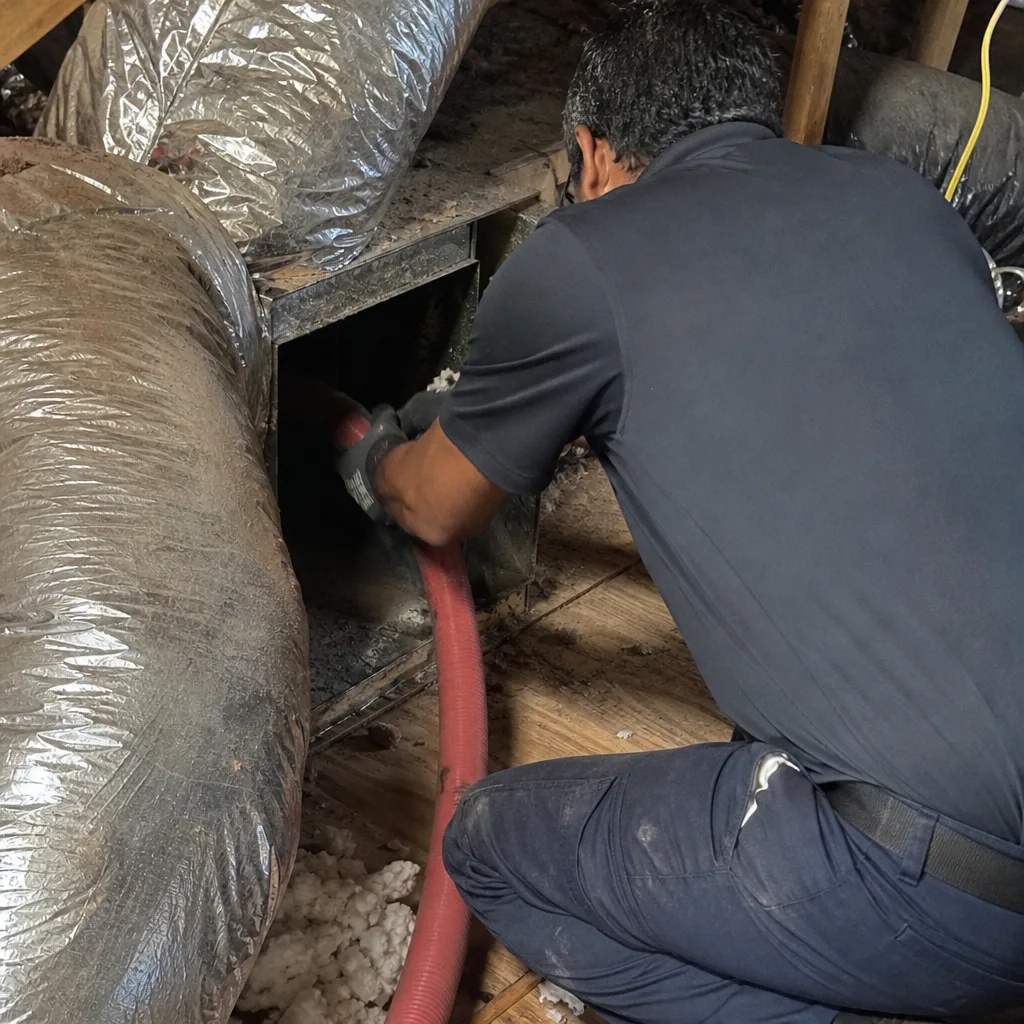 Before
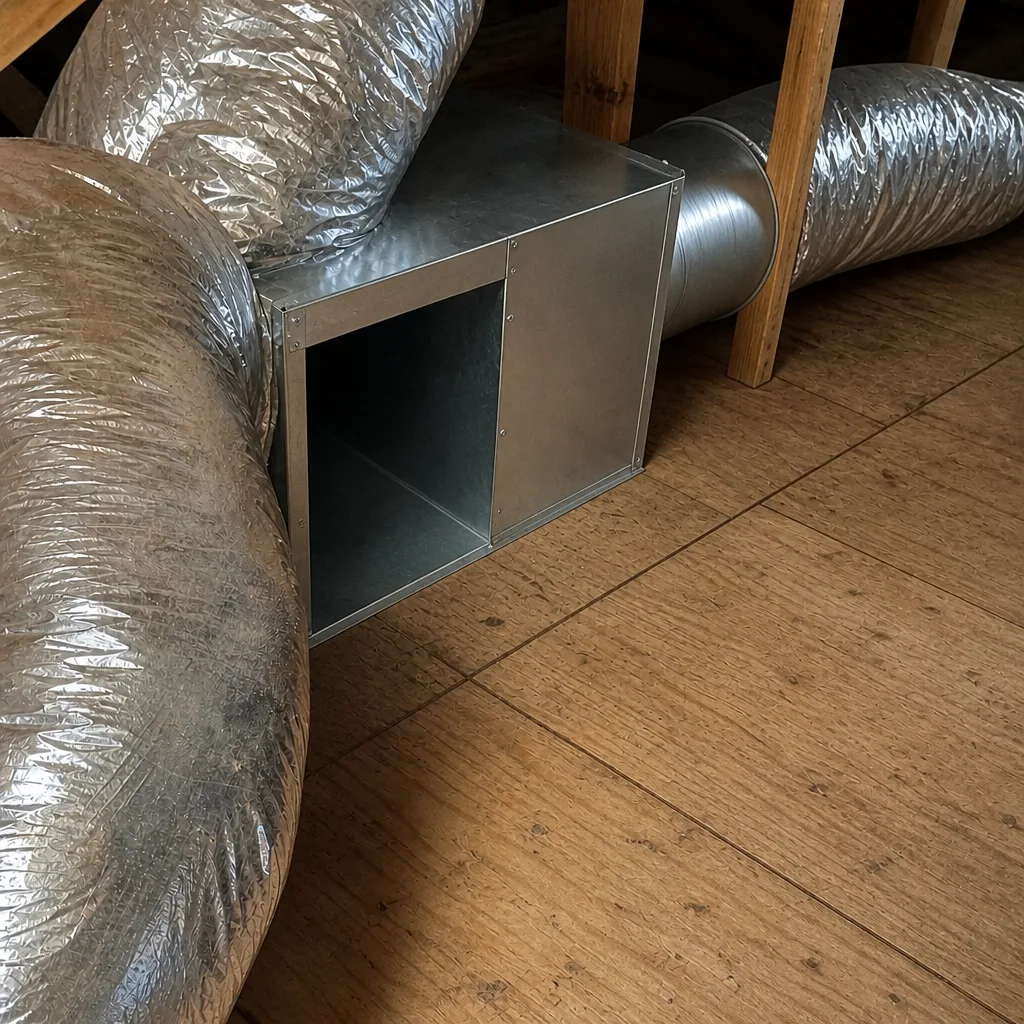 After
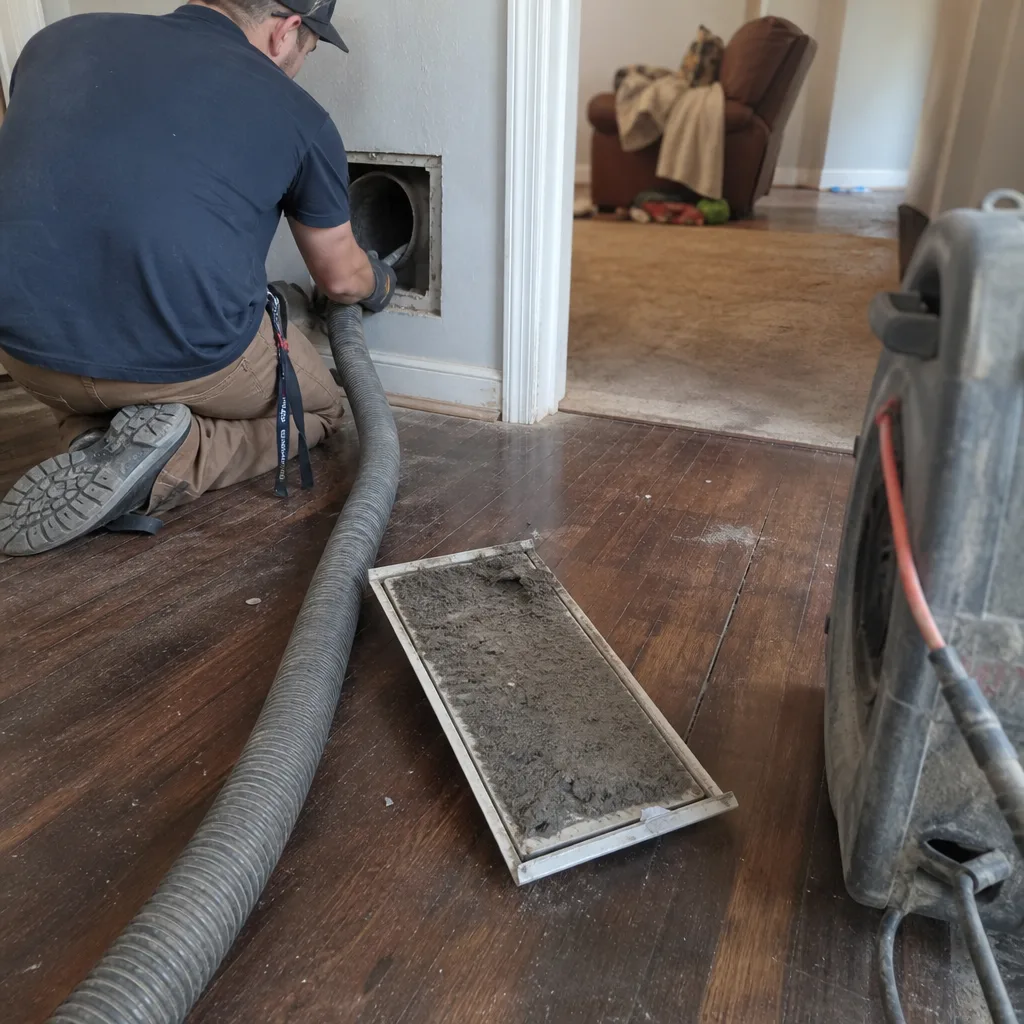 Before
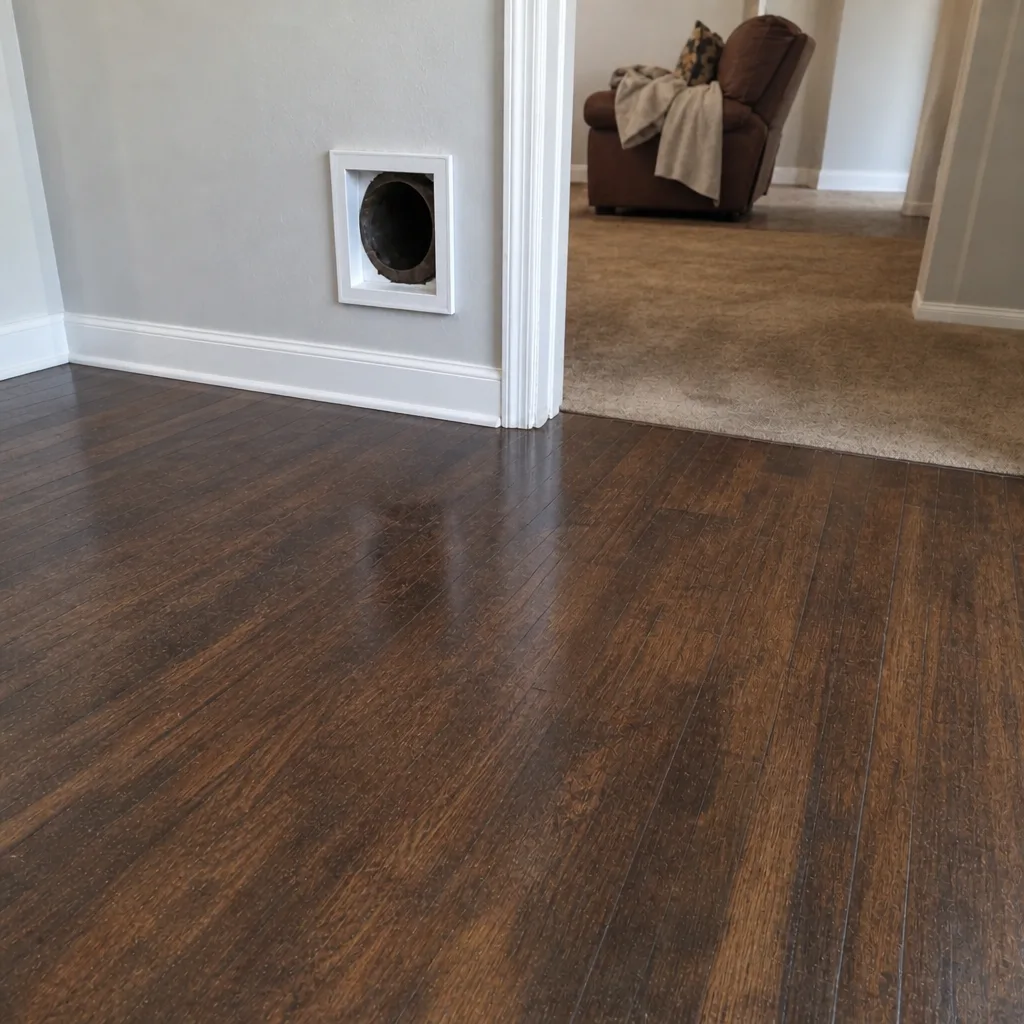 After
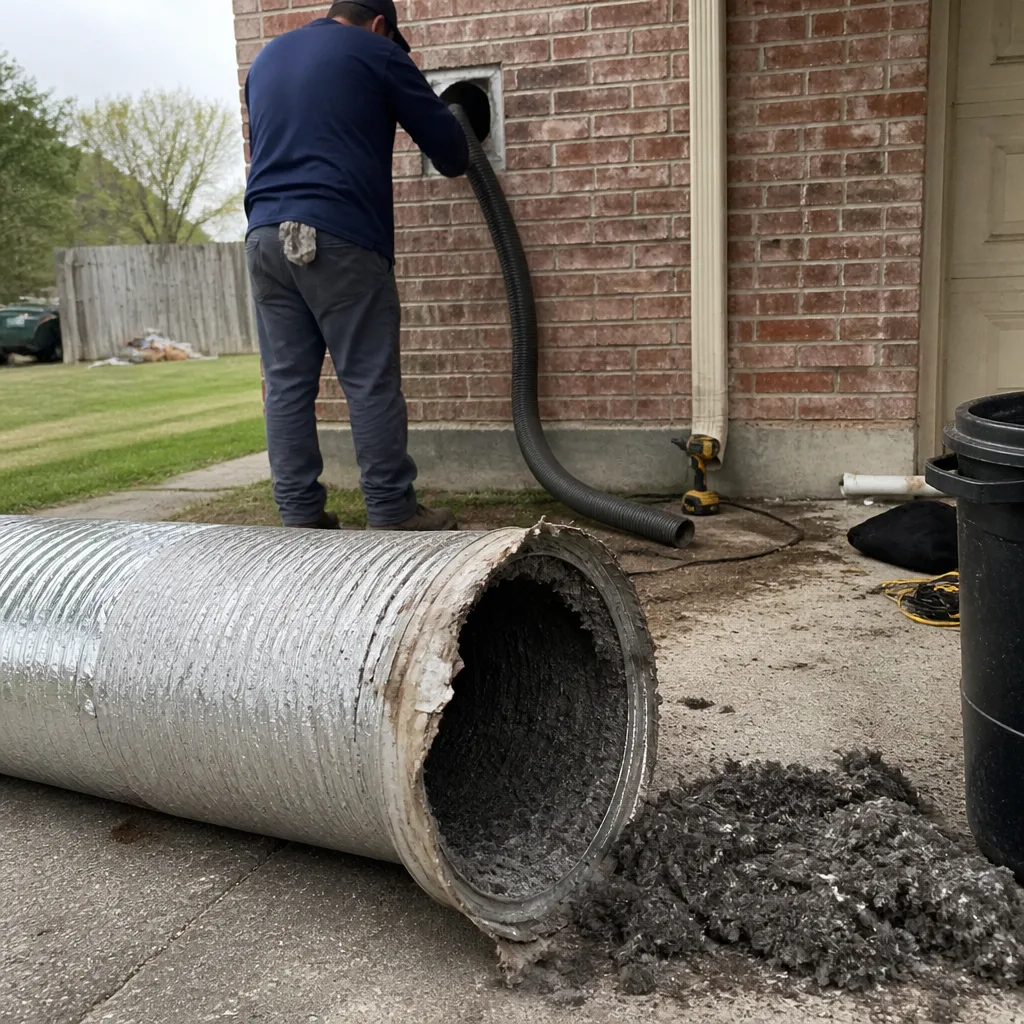 Before
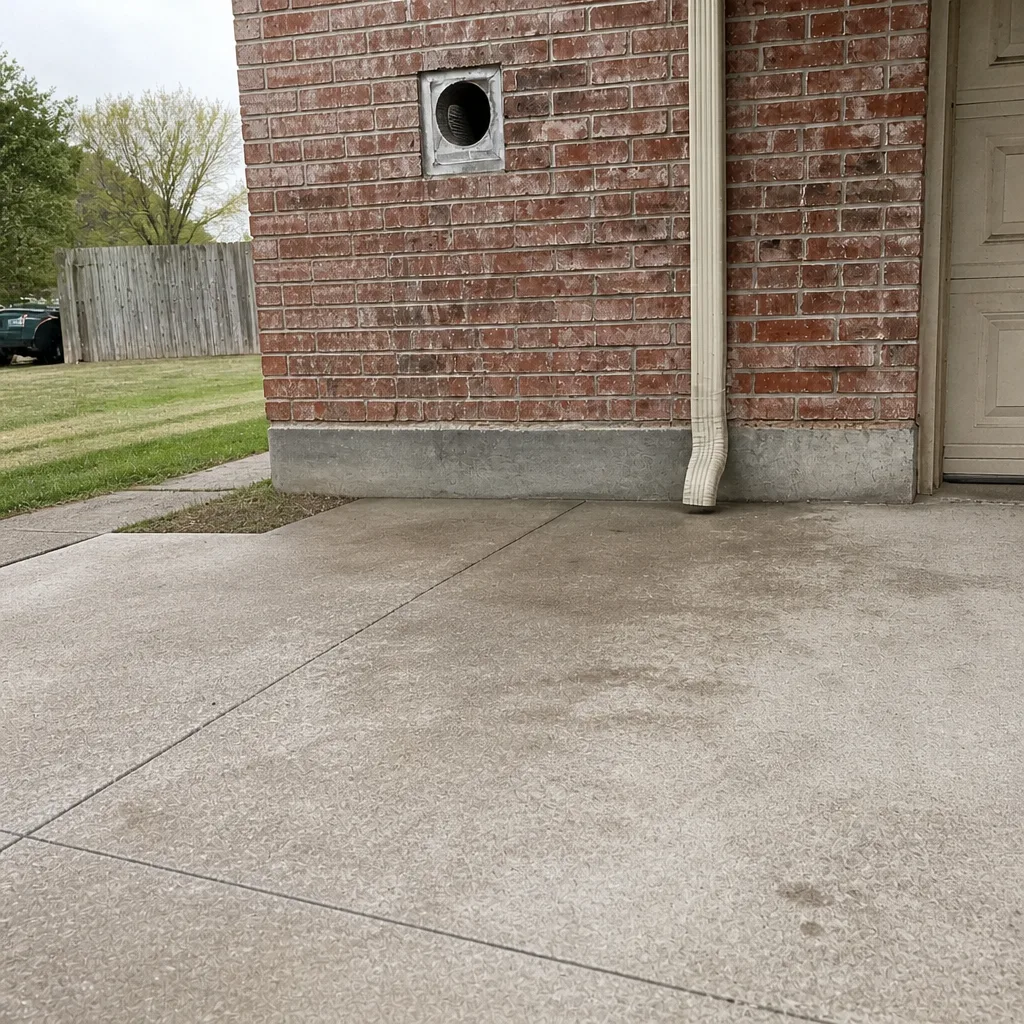 After
When to Call a Professional
The self-inspection method above will tell you a lot, but some situations go straight to a professional visit. If you see fuzzy growth or dark staining in the duct, if a room never reaches temperature, if you smell mustiness at multiple registers, or if the ductwork was exposed during a renovation, it’s time. Households with allergies, asthma, or a newborn benefit from a professional baseline cleaning at move-in, even if the previous owner’s records look current. Property managers in Killeen should schedule a cleaning between tenants and inspect the dryer vent at the same time. Duct Cleaning Killeen offers free estimates; call (833) 754-6799 and we’ll walk you through what a proper cleaning involves and what equipment we bring.
Frequently Asked Questions
Most Killeen homes should have their air ducts cleaned every 3 to 5 years, with the interval narrowing to 2 to 3 years for homes with pets, allergy sufferers, or recent renovation dust. Homes that stay low-occupancy with no pets and good filtration can stretch toward 5 to 7 years. The humidity and pollen load in this part of Central Texas push most household intervals toward the shorter end. Call (833) 754-6799 for a free estimate and we’ll tell you which side of the range fits your home.
Yes, if the factors that accelerate accumulation are present in your household. Visible dust at the registers is only the surface; the load that matters usually sits in the trunk line and along the coil, where a flashlight beam at a supply boot won’t reach. Do the phone-camera check twice a year, and if you have pets, allergies, or a recent renovation, book a cleaning even when the registers look fine.
MERV 8 to MERV 11 is the practical range for most Killeen homes, capturing pollen and dander without restricting airflow enough to strain the blower. Homes with allergy sufferers may benefit from MERV 13 if the system can handle the resistance. A 4- or 5-inch media cabinet with a Honeywell or Aprilaire filter gives better capture and a longer service life than a 1-inch slot filter, and we can recommend the right fit during your cleaning visit.
Yes. Drywall dust, sawdust, and insulation fibers migrate into the return system within days of demolition work starting and settle deep in the trunk line where a standard filter can’t catch them. Cleaning within a few months of completion prevents that dust from becoming a long-term load. If the renovation exposed or disturbed any ductwork, ask for a joint inspection at the same time so we can spot disconnections before cleaning.
Once a year for most households running a few loads a week. Twice a year if you run five or more loads a week, have a long or twisting vent run, or wash pet bedding frequently. Lint buildup in the dryer vent is a leading cause of residential fires, so this is a safety item, not a comfort one. Our dryer vent cleaning visit uses the same commercial-grade equipment as our duct work and is quick.
Low quotes usually skip either the containment setup or the trunk line, cleaning only the visible registers. Without containment and negative-air equipment, a shop-vac approach stirs more dust than it captures and leaves it in the living space. We use Abatement Technologies containment and negative-air equipment so contaminants are captured and exhausted, not redistributed, and we quote one flat price per system before work starts, with before-and-after photos of your own ducts. Call (833) 754-6799 for a free estimate.
The Bottom Line
The right duct maintenance schedule comes from your household, not a universal rule. Pets, allergies, renovation work, home age, and the load your system carries through Killeen’s long humid summers and pollen seasons all shift the interval. Build a calendar around monthly filter checks during cooling season, phone-camera inspections of a supply register twice a year, a professional cleaning in October after the peak load, and a yearly dryer vent check. If you’re not sure where your household falls, the free-est thing you can do is get an honest assessment from a specialist who brings commercial-grade equipment to the job and can fix a duct problem as well as clean one.
Ready for a specific recommendation? Call (833) 754-6799. We answer 24/7. Fast dispatch from 7am to 7pm, Sunday through Friday. Duct Cleaning Killeen offers free estimates, one flat price per system agreed before work starts, and before-and-after photos of your own ductwork so you see exactly what was cleaned.
Written by the team at Duct Cleaning Killeen.