
Last updated November 14, 2026
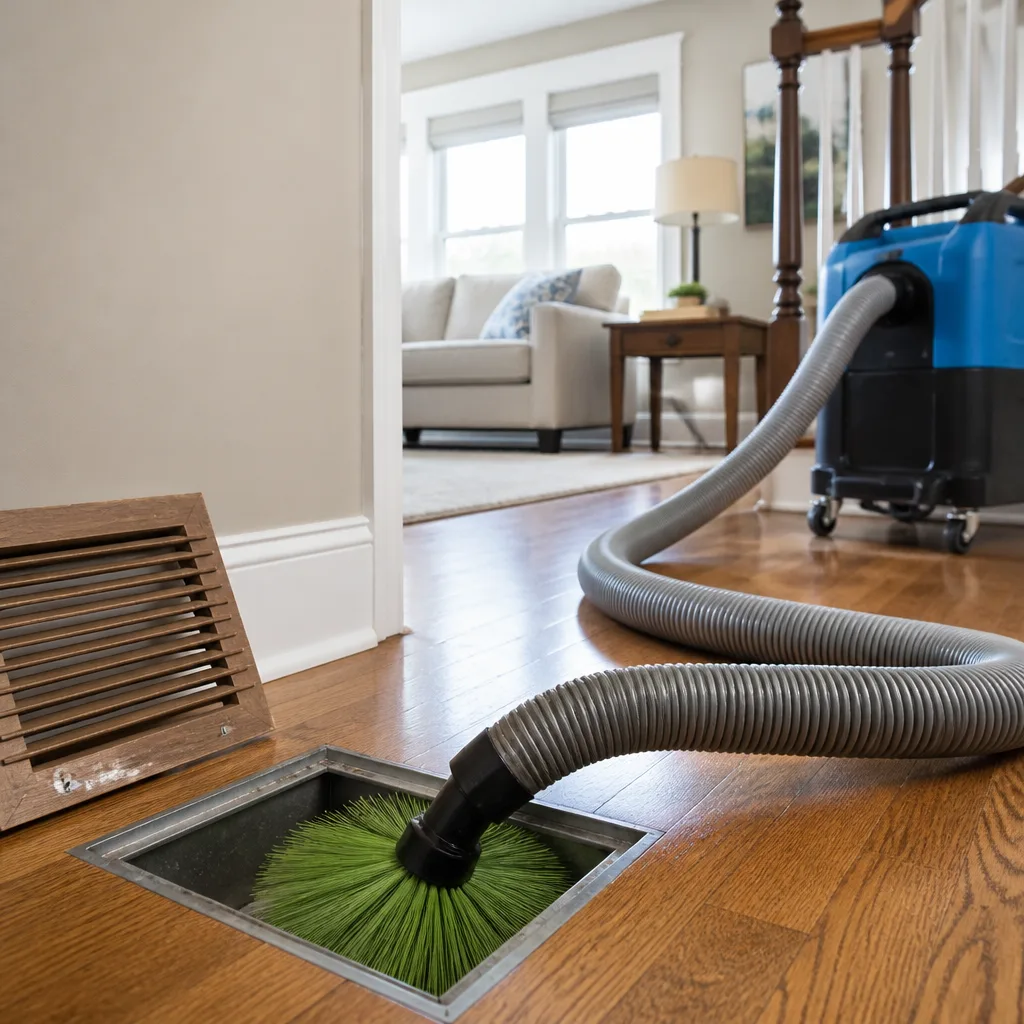 Whole-home duct cleaning
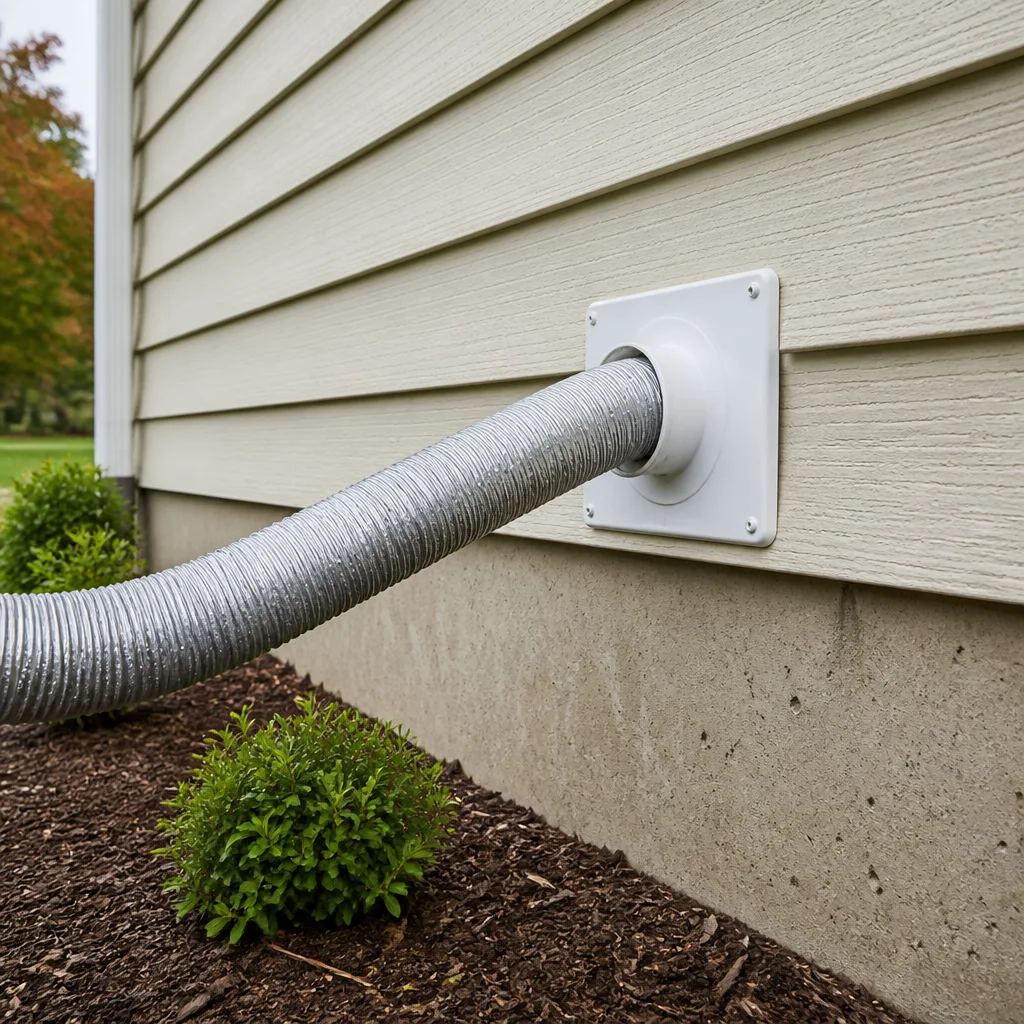 Dryer vent cleaning
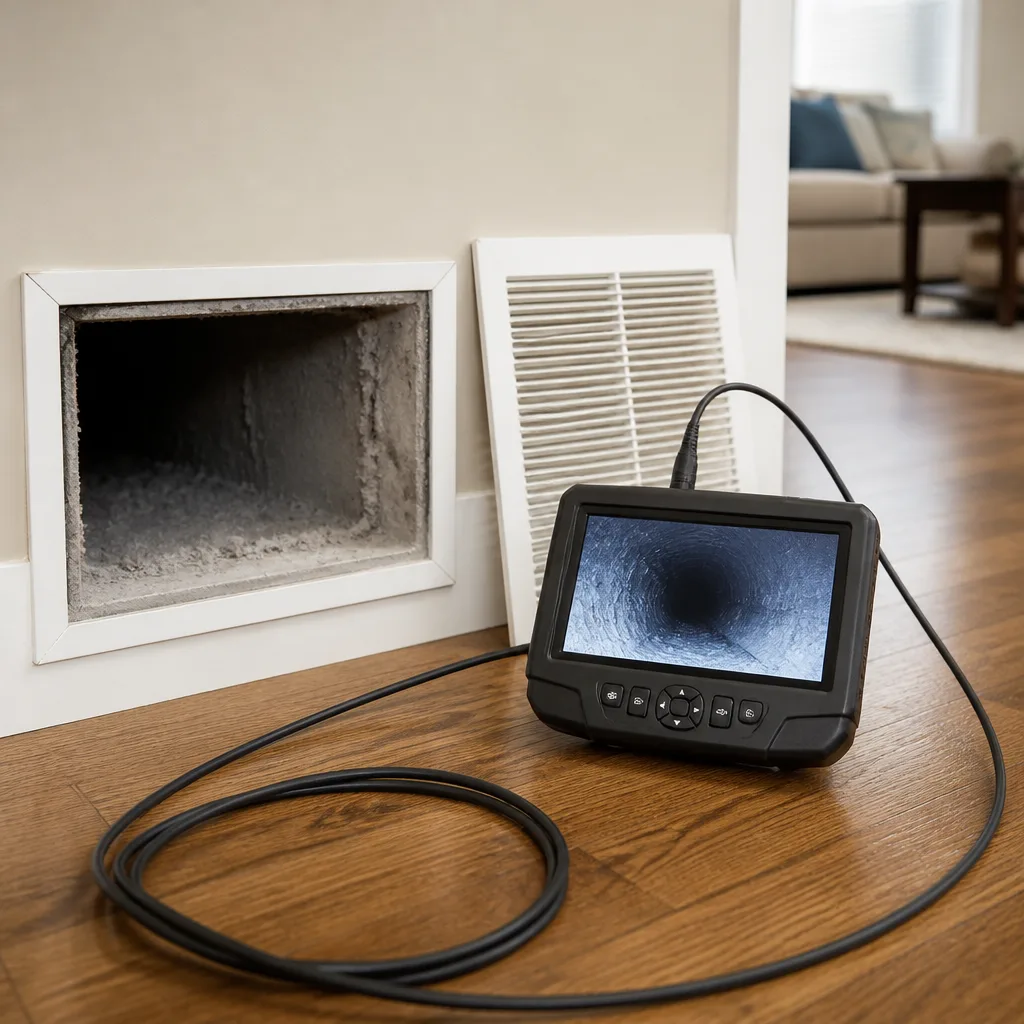 Camera inspection
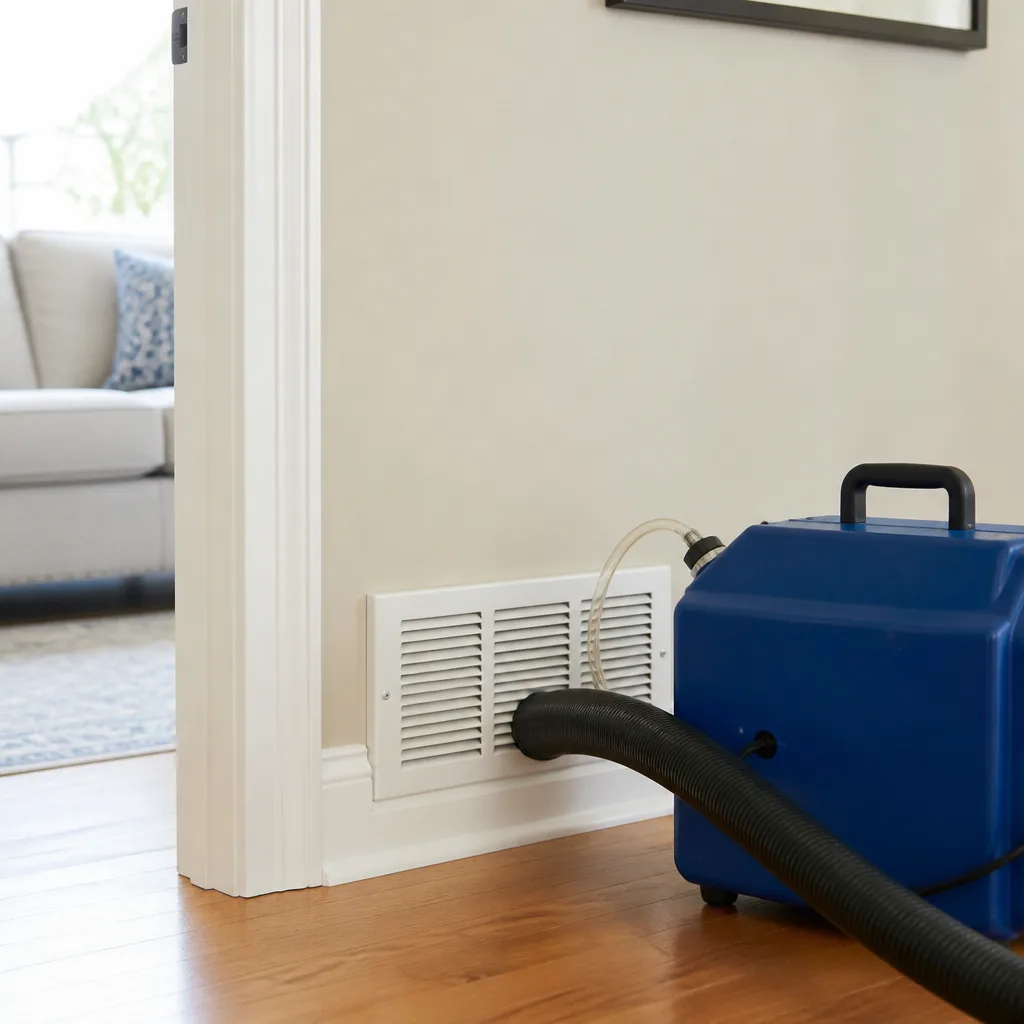 Sanitizing & deodorizing
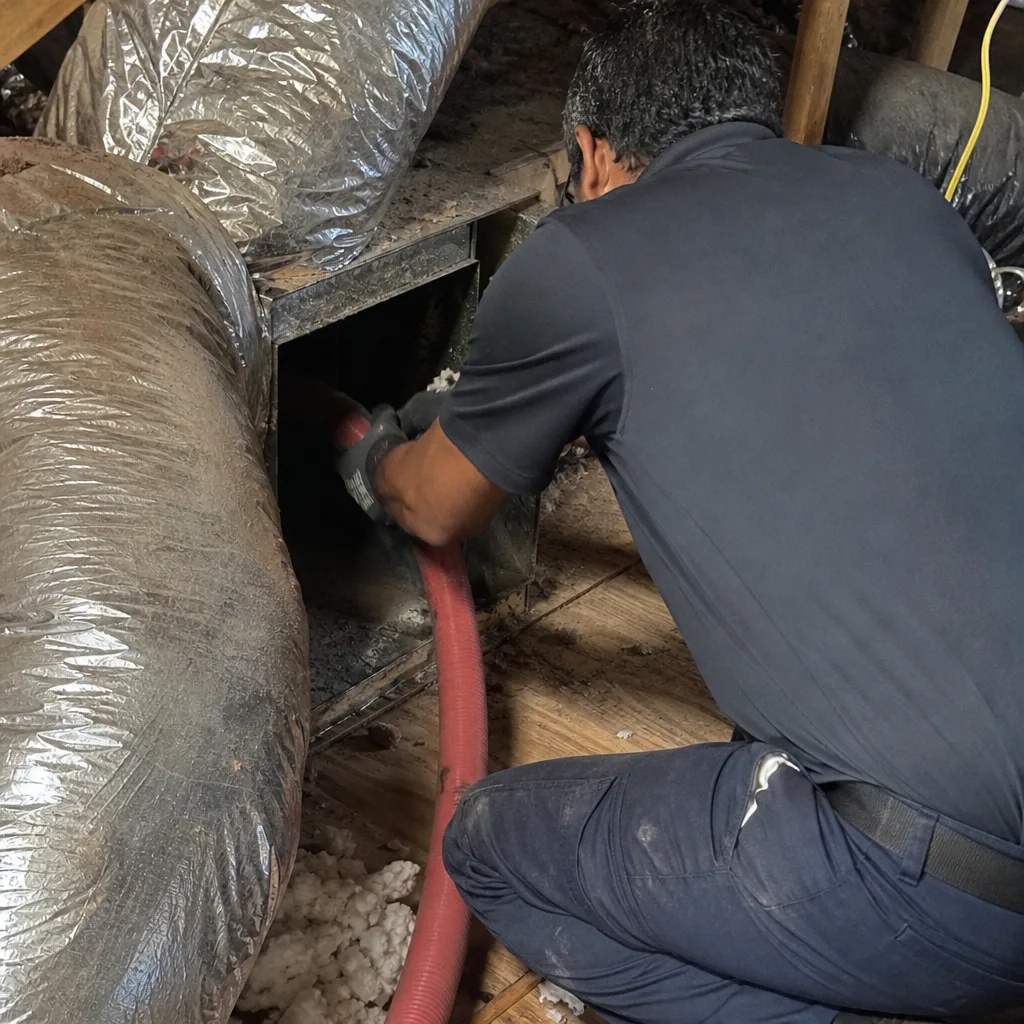
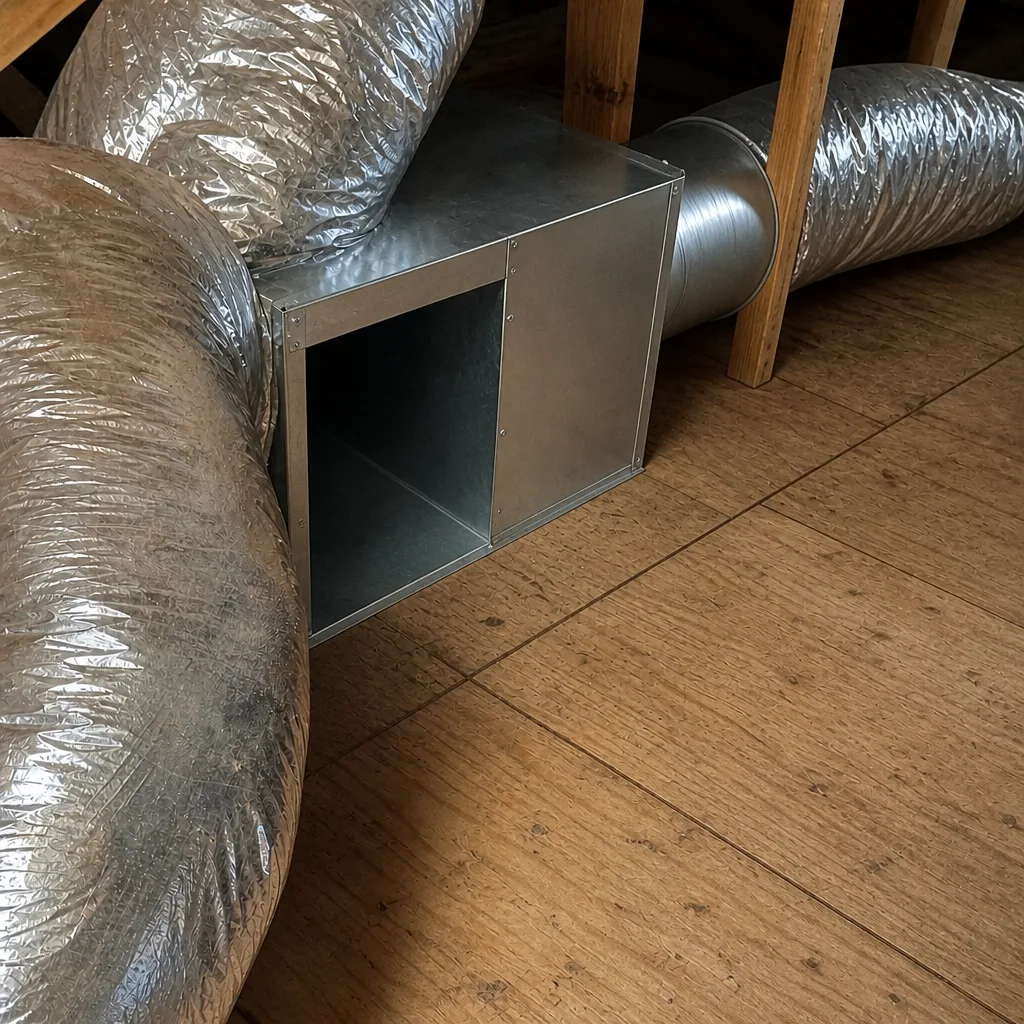
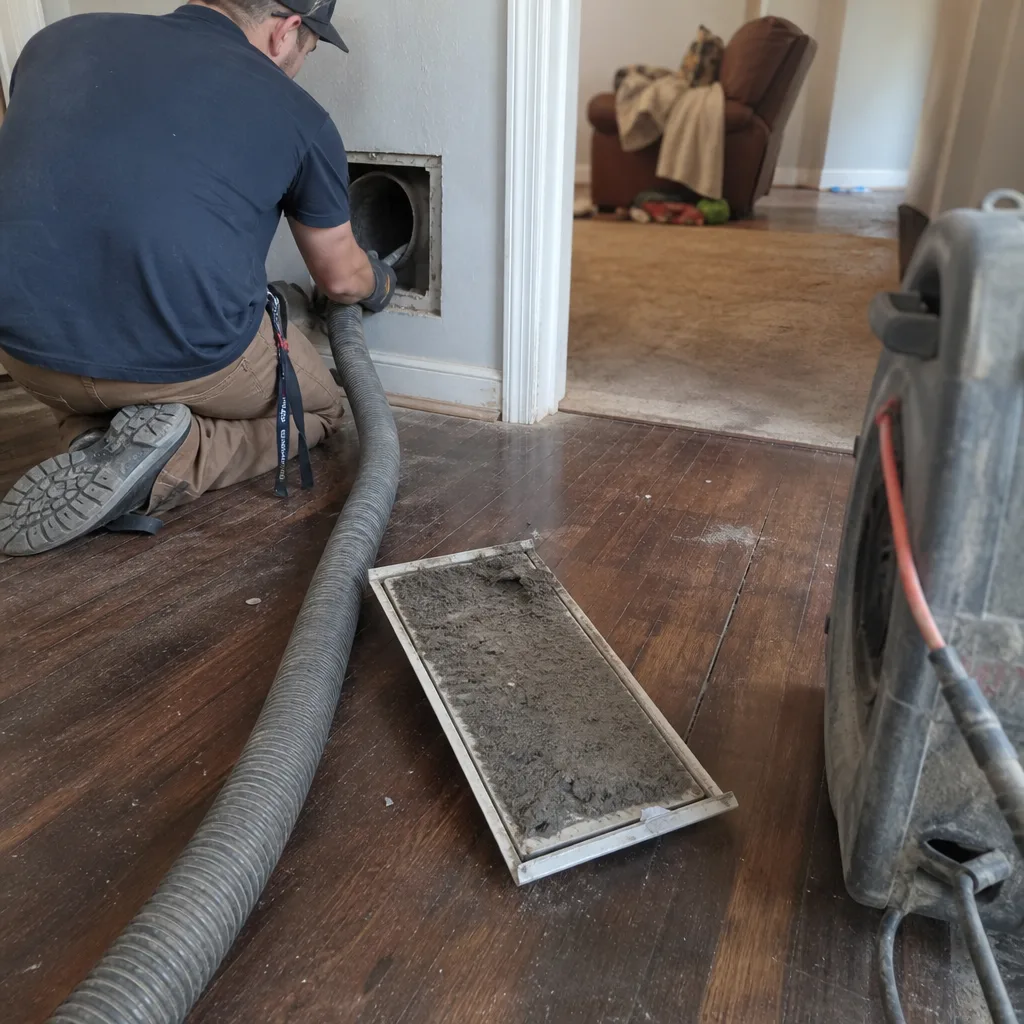
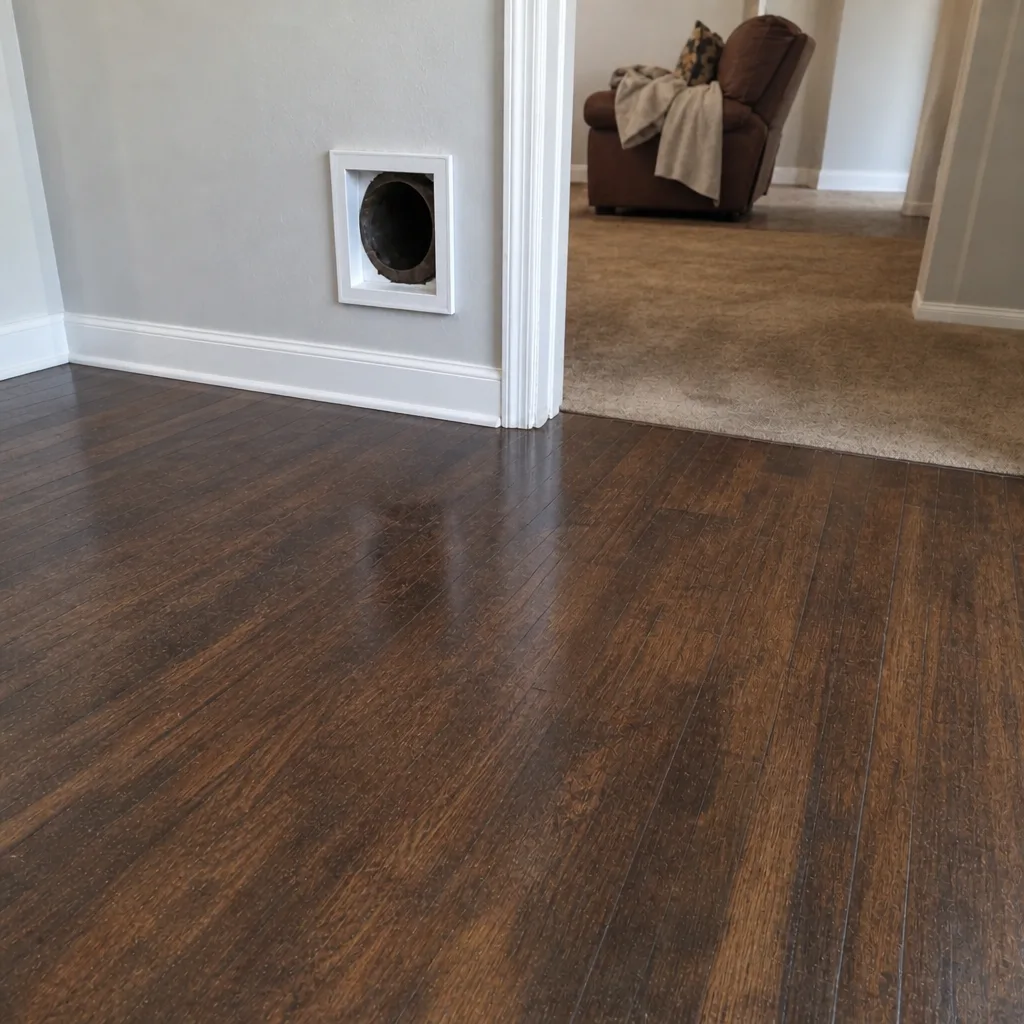
Whole-system duct and dryer vent check with before-and-after photos - you see exactly what came out of your vents
That "$99 whole-house special" is a bait ad - the real number appears once they are in your hallway, or the "clean" is a shop-vac at the register. We photograph the inside of your ducts before and after instead.
Air Duct Cleaning Emergency Preparedness Guide for Killeen Homes
Most duct cleaning advice you’ll find online was written for a different climate. It talks about winter condensation, spring pollen, and heating systems that run half the year. Killeen doesn’t work that way. Here, the real threats to your air ducts arrive as events: a wildfire plume drifting across Bell County, a week of 40-mph dust blowing in from the west, or a water heater line that lets go while you’re at work. Each one pushes contamination into your duct system faster than a filter can stop it. A filter catches what passes through it once. It does nothing for what settles on the lining behind it. This guide walks through how to prepare before an event, what to do during one, and how to handle the cleanup afterward so your ducts aren’t quietly recirculating smoke, dust, or mold spores for months. Killeen homeowners deal with all three, and most are unprepared for any of them.
Quick Answer
Emergency duct preparedness in Killeen means three things: sealing and upgrading your return air path before smoke or dust season, shutting the system down correctly when outdoor air quality tanks or water enters the ductwork, and scheduling a professional cleaning after any qualifying event so settled particulate is physically removed rather than recirculated. If your ducts took on smoke, flood water, or heavy dust, call (833) 754-6799 for a free estimate. We answer 24/7. Fast dispatch from 7am to 7pm, Sunday through Friday.
Styles & brands we work with
- Whole-home duct cleaning
- Dryer vent cleaning
- Camera inspection
- Sanitizing & deodorizing
Table of Contents
- Why Killeen Duct Systems Face Unique Contamination Events
- Post-Wildfire Smoke: When to Run the System and When to Shut It Down
- High-Wind Dust Events in Bell County: Before, During, and After
- Flood and Water Intrusion: The 48-Hour Mold Timeline Inside Ductwork
- Pre-Event Preparation: Filters, Return Air Sealing, and Shutdown Protocols
- Documenting Duct Contamination for Insurance Claims
- When to Call a Professional
- Frequently Asked Questions
Why Killeen Duct Systems Face Unique Contamination Events
Killeen sits in a part of Central Texas where three separate contamination scenarios overlap. To the west, dry rangeland and brush country feed dust events through the spring. To the south and southwest, the wildfire risk corridors that run through the Hill Country and into Bell County send smoke plumes across the city when a fire gets large enough. And the region’s flash-flood pattern, where a stalled front can drop several inches of rain in a few hours, means water intrusion into homes is a real seasonal possibility rather than a rare fluke.
Each scenario stresses your duct system differently, and each one has a specific response window. Smoke that settles on duct lining keeps releasing odor and fine particulate for weeks. Dust that infiltrates through gaps at the return plenum coats the blower and the evaporator coil, which cuts airflow and pushes the system to run longer. Standing water inside a duct, even a small amount from a roof leak or a failed condensate line, starts biological growth on the lining’s porous surface within about two days.
The common thread is that all three push contamination into the same place: the interior lining of your ductwork, where a filter can’t reach and a vacuum from the hallway can’t touch. That’s the space the air you breathe passes over on every cycle. Better air starts at the duct, and in Killeen that means treating your duct system as a piece of emergency infrastructure, not an afterthought.
The good news is that preparedness is mostly about a few decisions made ahead of time, plus knowing exactly who to call afterward. Our technicians have up to 12 years of experience with these event-driven cleanups across Killeen, and the pattern is consistent: homes that prepare lose far less duct performance than homes that react.
Post-Wildfire Smoke: When to Run the System and When to Shut It Down
When a wildfire smoke plume reaches Killeen, the instinct is to open windows for fresh air. For a duct system, that’s the opposite of what helps. Smoke particulate that bypassed your filter and coated the duct lining will continue off-gassing into your home for weeks if it isn’t physically removed, and opening windows just adds more source material to the load already sitting inside your system.
Here’s the sequence that protects your ductwork and your indoor air during a smoke event:
- Before the plume arrives: close windows and exterior doors, set the thermostat to “fan on” only if your filter is fresh and correctly sized. A high-MERV filter captures more fine smoke particulate than a standard fiberglass panel.
- While smoke is thick outside: switch the system to “auto” fan and keep it running to recirculate and filter interior air. Shut it down entirely only if you smell smoke inside the return grille, which means the system is drawing it in from a leak in the return path.
- When smoke clears: change the filter immediately, even if it looks only lightly soiled. Smoke particulate loads a filter invisibly.
- Within two to four weeks: schedule an inspection. If you can smell smoke at a supply register when the system runs, the lining has absorbed it and needs cleaning.
A proper post-smoke cleaning isn’t a vacuum pass. It’s a rotary brush run through every branch line with negative air holding the dust at the source. That’s why we bring Abatement Technologies containment and negative-air equipment to a smoke job: the particulate gets captured and exhausted, not pushed into the room where you’re standing. When the lining itself is the problem, cleaning the ducts in Killeen homes after a smoke event is the difference between a system that recovers and one that smells faintly of a campfire for a year.
High-Wind Dust Events in Bell County: Before, During, and After
April through June, Killeen gets dust events that most national duct guides simply don’t address. Sustained winds out of the west pick up fine caliche and topsoil and drive it against every seam and joint in your home’s envelope. Duct systems are especially vulnerable, not because they’re leaky by design but because the return side runs at negative pressure. Every gap in the return path becomes an intake.
What that means in practice is that a 30-mph dust day pulls fine particulate into your return ducts through gaps you can’t see, and deposits it directly onto the lining ahead of the filter. The filter does its job on the air that reaches it. It can’t help what entered downstream of it.
Before a forecast dust event
- Check the sealant at your return air plenum and at each return grille boot. Any visible gap is a dust intake.
- Swap in a fresh filter rated MERV 11 or higher if your system’s blower can handle the pressure drop.
- Close windows and set the thermostat fan to “auto” so the system isn’t drawing unfiltered air continuously.
During the event
- Keep doors and windows shut.
- Run the system normally. It will filter interior air, which is better than the alternative.
- If you have a Honeywell or Aprilaire media filter cabinet, this is the day it earns its cost over a panel filter.
After the dust settles
- Change the filter again. A dust event loads a filter far faster than normal operation.
- Wipe down supply and return grilles with a damp cloth before you run the system, so settled dust doesn’t get pulled straight back into the airflow.
- If you see a visible dust film on the inside of a return grille after wiping, schedule a cleaning. That film is a sign of what’s sitting further in.
The single most effective pre-event step for a Killeen home is sealing the return air path. A return that’s pulling from an attic or a garage space, common in older housing stock around the city, will bring in more dust in one bad spring than a filtered system sees all year. Sealing that path is a repair job, not just a cleaning one, and it’s why we treat air duct repair as part of the service rather than a separate trade.
Flood and Water Intrusion: The 48-Hour Mold Timeline Inside Ductwork
Duct lining is usually porous. Fiberglass duct board, the interior insulation on flex duct, and the acoustic lining inside many rigid metal trunks all hold moisture. Once they’re wet, they don’t dry quickly, and they don’t dry clean. Fifty hours after water enters a duct system, biological growth has typically begun on those surfaces. This is the part of emergency duct response most homeowners never think about, because the water they see is on the floor, not inside the duct.
Water reaches ductwork through several paths in a Killeen home:
- Roof leaks that drip onto attic duct runs
- Failed condensate lines from the air handler
- Water heater failures in a closet or garage adjacent to duct chases
- Flood water entering through doorways and rising into floor registers
- High-humidity events combined with a system that’s off and not moving air
The 48-hour timeline in plain terms
- Hours 0-6: Water is present. Porous lining begins absorbing it. No visible growth yet, but the clock is running.
- Hours 6-24: Lining is saturated. The system is either off or pushing humid air through wet material, which accelerates the problem.
- Hours 24-48: With temperatures at 70-80°F inside the duct chase, biological growth begins on wet porous surfaces. Odor may or may not be noticeable yet.
- After 48 hours: Growth has established. Cleaning alone is no longer sufficient if the lining is structurally compromised. Sections may need replacement as part of an air duct repair.
What this means for a Killeen homeowner after any water event: shut the system down, call us, and get the ducts inspected before you run the air conditioner again. Running a system with wet ducts pushes humid air and, eventually, spores through every register in the house. We use negative-air containment on water jobs because the material we’re removing needs to leave the house entirely, not spread into the room we’re working in.
Pre-Event Preparation: Filters, Return Air Sealing, and Shutdown Protocols
Preparation is where the real savings live. A home that takes a few steps before a smoke, dust, or water event needs less cleanup afterward and recovers faster. Three areas matter most.
1. Filter upgrades
A standard fiberglass panel filter catches large debris and little else. For a Killeen home facing smoke and dust events, the practical upgrade path runs through a media filter cabinet. We carry and install Honeywell and Aprilaire filtration products because they fit the pressure and airflow profiles of the residential systems we see most often. A properly sized media filter captures fine particulate that a panel filter passes, and it does it without choking a blower the way an oversized MERV 16 can.
Don’t guess at the filter rating. A filter too restrictive for your blower can drop airflow below what the system needs, which creates its own problems. This is a conversation worth having before the event, not after.
2. Return air sealing
The return side of your duct system runs under negative pressure. Every gap, every loose joint, every unsealed boot pulls air into your ducts, not out of them. In Killeen, that means pulling attic dust, garage air, and outdoor particulate directly into the system downstream of the filter. Sealing the return path is the highest-value preparation step available.
3. System shutdown protocols
Know ahead of time what you’ll do if smoke enters the house, water reaches the ducts, or a dust plume is inbound. Write it down. Three lines on a card near the thermostat is enough:
- Smoke plume outside: close windows, set fan to “auto,” run system normally, filter change afterward.
- Smoke smell at a return grille: shut the system off, check for return leaks, call for inspection.
- Water in the ducts or on the floor near a register: shut the system off entirely. Call us before restarting.
These three decisions, made calmly in advance, prevent most of the damage we see after events. And a fourth step belongs on the list: cleaning the dryer vent on a regular schedule. Lint buildup in a dryer vent is a separate, fire-related emergency category that deserves equal attention, and we handle dryer vent cleaning as a core safety service rather than an upsell.
Documenting Duct Contamination for Insurance Claims
After a qualifying event, whether it’s a fire, a flood, or water intrusion from a failed appliance, your insurer may cover duct cleanup or replacement. The claim outcome usually depends on the documentation, and most homeowners find out too late that a verbal description wasn’t enough.
Here’s what to capture, and when:
- Photograph before cleanup begins. Take wide shots of each room with visible damage, then close-ups of supply and return grilles. Photograph any water line on the duct or the floor around a register.
- Keep the filter. The used filter is evidence. Date it and store it in a bag. Do not throw it away before the claim is settled.
- Get a written inspection. A professional inspection report that names the affected duct sections and describes the condition (contamination, saturation, structural damage) supports the claim far better than a verbal estimate.
- Record the timeline. If water entered at 2am and you shut the system down at 6am, those four hours matter. Note when water was observed and when the system was shut off.
- Document the scope of the repair. If a section of duct needs to be replaced rather than cleaned, that needs to appear in writing. Repair fixes what cleaning can’t reach, and insurers want to see the distinction.
We work with homeowners and insurance adjusters on duct claims in Killeen, and the pattern is clear: claims that start with photos, a written inspection, and a clear scope move faster. We can produce that documentation as part of the inspection. We can’t promise what your insurer will cover, but we can make sure the condition of your ductwork is on the record.
Common Mistakes to Avoid
- Opening windows during a smoke or dust event. It feels like the right move for air quality, but it adds source material to the exposure your system is already handling. Keep the house closed until the event passes.
- Running the air conditioner with wet ducts. After any water intrusion, running the system circulates humid air through every register and speeds growth on wet lining. Shut it down and get it inspected.
- Skipping the filter change after a dust or smoke event. A loaded filter has already done all the filtering it can. Running a full week past that point sends particulate straight through.
- Assuming a shop-vac handles a post-event cleanup. A consumer shop vac captures coarse debris in the hose and pushes fine particulate back out the exhaust. It’s a redistribution tool at fine-particle scale, not a cleaning system.
- Ignoring the return path. A Killeen home can have clean supply ducts and a return path pulling attic air into the system. That’s a repair issue, not a cleaning one, and no amount of cleaning fixes it.
- Waiting weeks after a flood event to call. The 48-hour growth window doesn’t pause for scheduling. A duct system that gets inspected within the first day has options a system inspected in week two doesn’t.
- Throwing out damaged material before documenting it. Insurance claims need evidence, and a filter or duct section that’s already in the trash is evidence that’s gone.
- Cleaning without a written scope. A cleaning quote that doesn’t name the affected sections, the equipment, and the method isn’t something an adjuster or a homeowner can evaluate against the actual condition.
See the difference
 Before
 After
 Before
 After
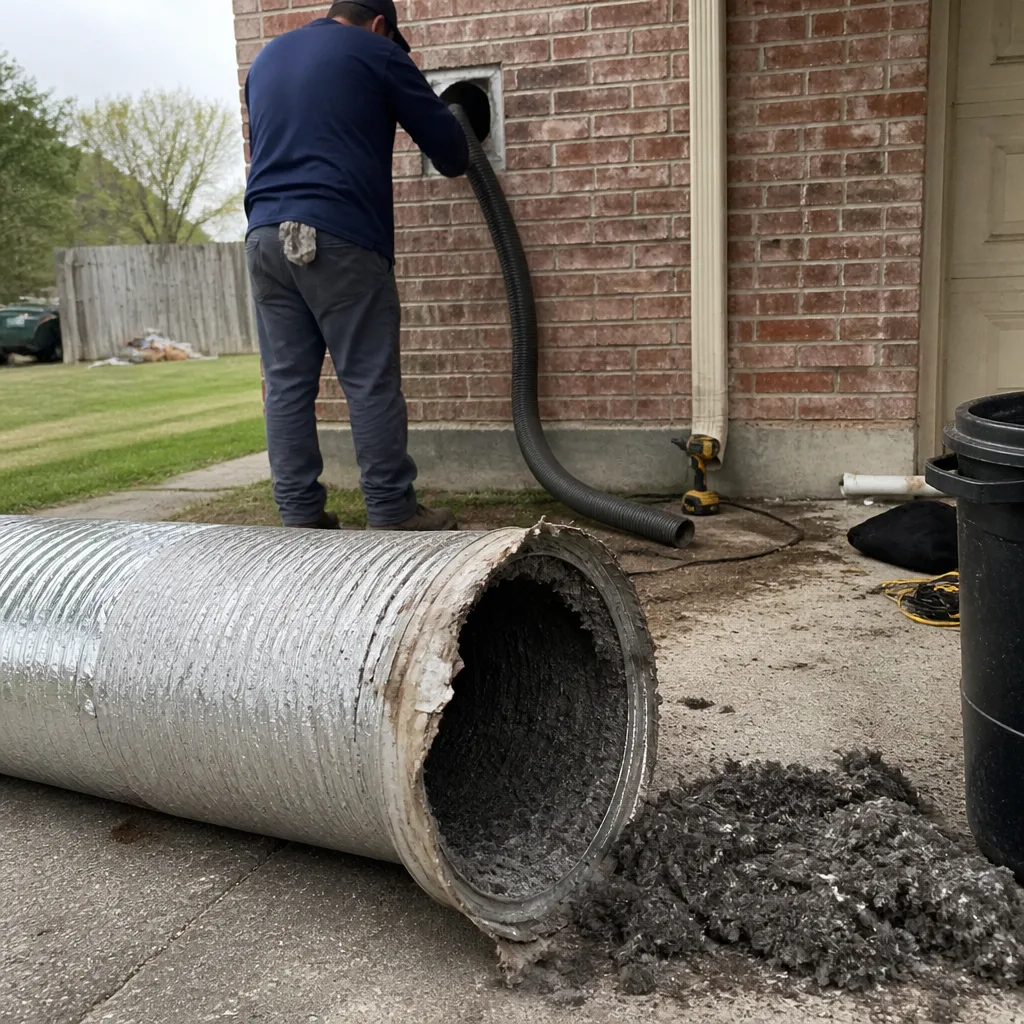 Before
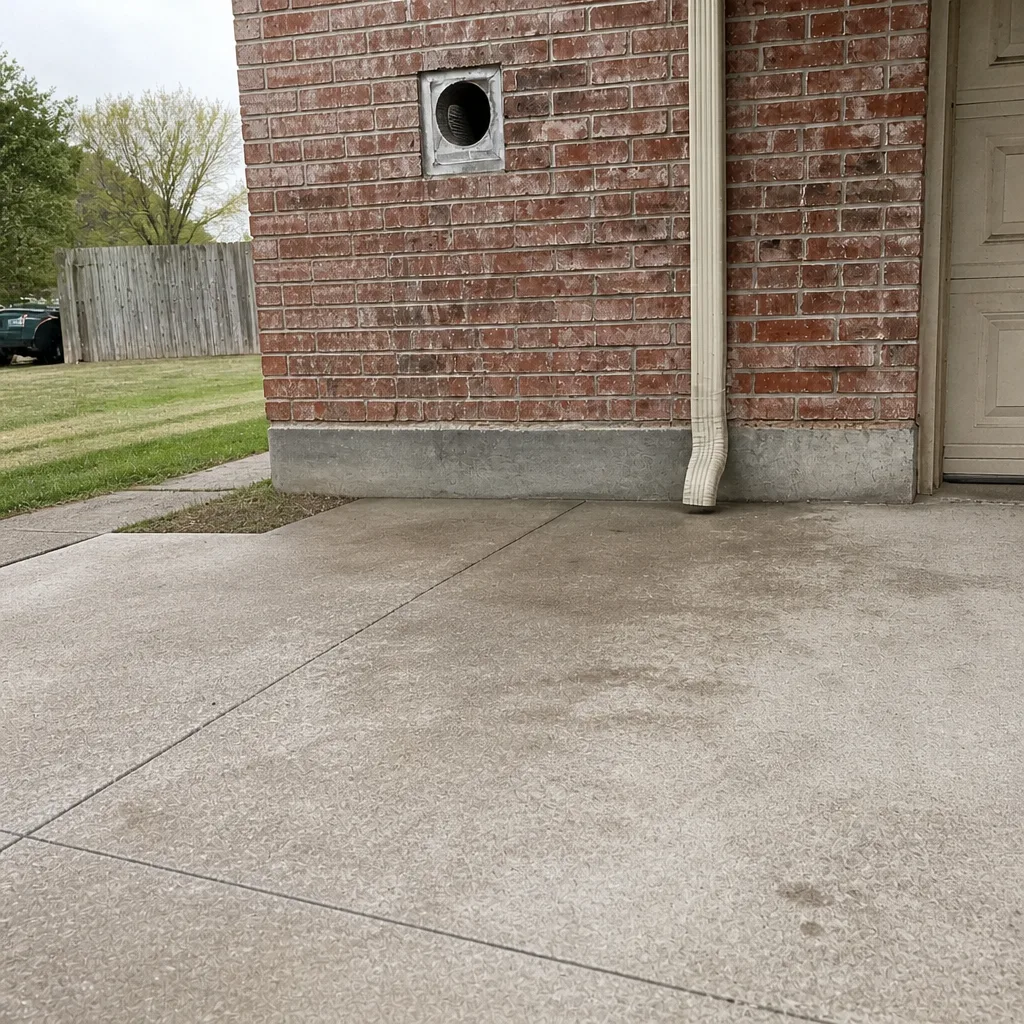 After
When to Call a Professional
Some duct conditions a homeowner can handle: a filter change, a wiped-down grille, a walk-through of the return path to spot obvious gaps. Others need equipment the homeowner doesn’t have and a level of inspection that goes past what’s visible. Call us when any of the following is true:
- You can smell smoke at a supply register weeks after a fire event
- Water reached the ductwork, or a register is damp after a leak
- A dust event left visible film inside a return grille after wiping
- You’re filing any duct-related insurance claim and need a written inspection
- You suspect a return leak pulling attic or garage air into the system
- You want the dryer vent checked as part of a home safety review
We answer 24/7. Fast dispatch from 7am to 7pm, Sunday through Friday. Duct Cleaning Killeen offers free estimates in Killeen, and we’ll bring the equipment that tells you what’s actually in the ductwork, not just what a flashlight from the hallway shows. Call (833) 754-6799.
Frequently Asked Questions
Whole-system air duct cleaning in Killeen typically runs $350-$650 for a standard single-story home, with larger or two-story homes and post-event jobs landing higher in that range. We set one flat price per system based on the written estimate, not per vent, so you know the number before work starts. Call (833) 754-6799 for an exact quote. Estimates are free.
Low quotes often list a coupon price and change the invoice after the technician is on site, or they skip the equipment that makes a cleaning effective. A truck-mounted or portable vacuum without a rotary brush doesn’t remove the settled film on duct lining, and a vacuum without negative-air containment can redistribute particulate into the room. Ask what equipment goes on the job before you compare price. We quote a flat price per system, in writing, before we arrive.
We photograph the before-and-after condition of your ducts and show you the images. With our Abatement Technologies containment and negative-air setup, you can watch dust leave the system through a HEPA-exhausted line rather than disappear into a hose. You’ll also see the rotary brush head and the Nikro vacuum unit on arrival. Visible equipment, visible results, and photos of your own system.
Normal conditions in Killeen call for a cleaning every three to five years. Homes near a construction zone, near rangeland exposed to repeated dust events, or with pets tend toward the shorter end. After a qualifying smoke, dust, or water event, the schedule resets: schedule a cleaning once the event has passed and the filter has been changed. If we’ve never inspected the system, start there and we’ll tell you what the ducts actually need rather than what a schedule says.
A better filter helps during and after a smoke event, but it doesn’t clean your duct lining. The filter sits in the return path, and the contamination from a smoke event settles on the lining downstream of it, where the filter never reaches. A Honeywell or Aprilaire media filter is worth installing for future events, but it doesn’t replace the cleaning that removes what’s already settled. Call (833) 754-6799 if you’re not sure which applies to your system.
Shut the system off and leave it off. Don’t run the air conditioner or heat pump to “dry it out,” because running the system moves humid air and spores through every register in the house. Photograph what you can see, keep the filter, and call us. The growth window starts at roughly 48 hours, and an inspection inside that window gives you the widest set of options.
Yes. Air duct repair is one of our three core services, and it’s the difference between a thorough cleaning and a system that stays clean. Disconnected runs, crushed flex duct, and return leaks pulling attic air all need repair before cleaning actually improves air quality. We diagnose and repair ductwork on the same visit as the cleaning when the scope allows, and we’ll tell you clearly when it doesn’t.
Ask for specifics before you book. A proper residential cleaning typically involves a rotary brush system, a HEPA-rated vacuum, and negative-air containment on jobs where contamination is heavy or biological growth is suspected. We operate Rotobrush rotary brush systems and Nikro HEPA vacuums, and we deploy Abatement Technologies containment and negative-air equipment on post-event jobs. If a quote doesn’t name the equipment, it’s fair to ask why.
The Bottom Line
Duct emergencies in Killeen aren’t rare events. They’re the predictable result of where the city sits: fire risk corridors to the southwest, dust season from April through June, and flash-flood conditions that can put water into a home without warning. Preparation matters most, and preparation is mostly three decisions: a filter that fits your system, a sealed return path, and a written shutdown protocol for smoke, dust, and water. After any event, physical removal of what settled on the lining is the only thing that resets your air quality. Cleaning with the right equipment, and repair when the ductwork itself is part of the problem, is what makes the difference between air that recovers and contamination that lingers for months. Better air starts at the duct.
When you need a free estimate on duct cleaning, repair, or a post-event inspection, call (833) 754-6799. We answer 24/7. Fast dispatch from 7am to 7pm, Sunday through Friday. Get the full picture at Duct Cleaning Killeen.
Written by the team at Duct Cleaning Killeen.