
Last updated November 14, 2026
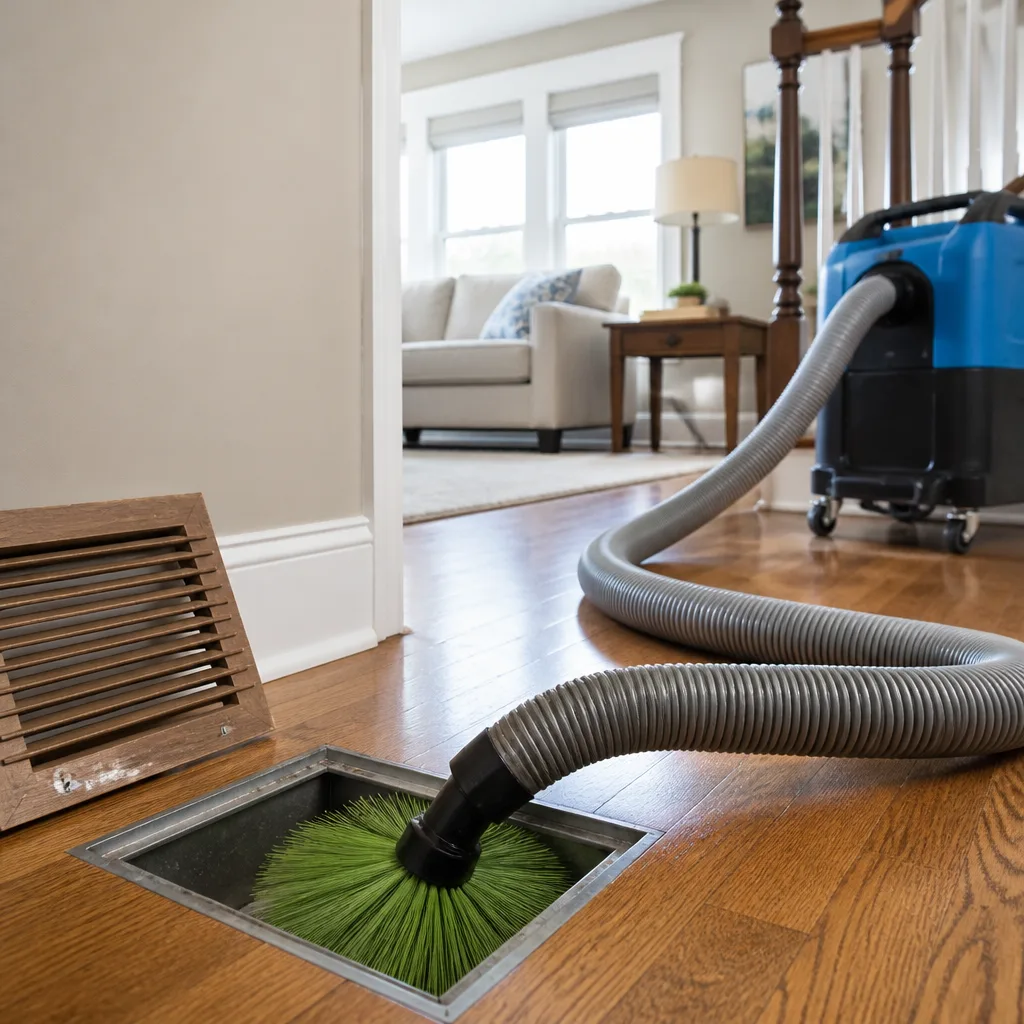 Whole-home duct cleaning
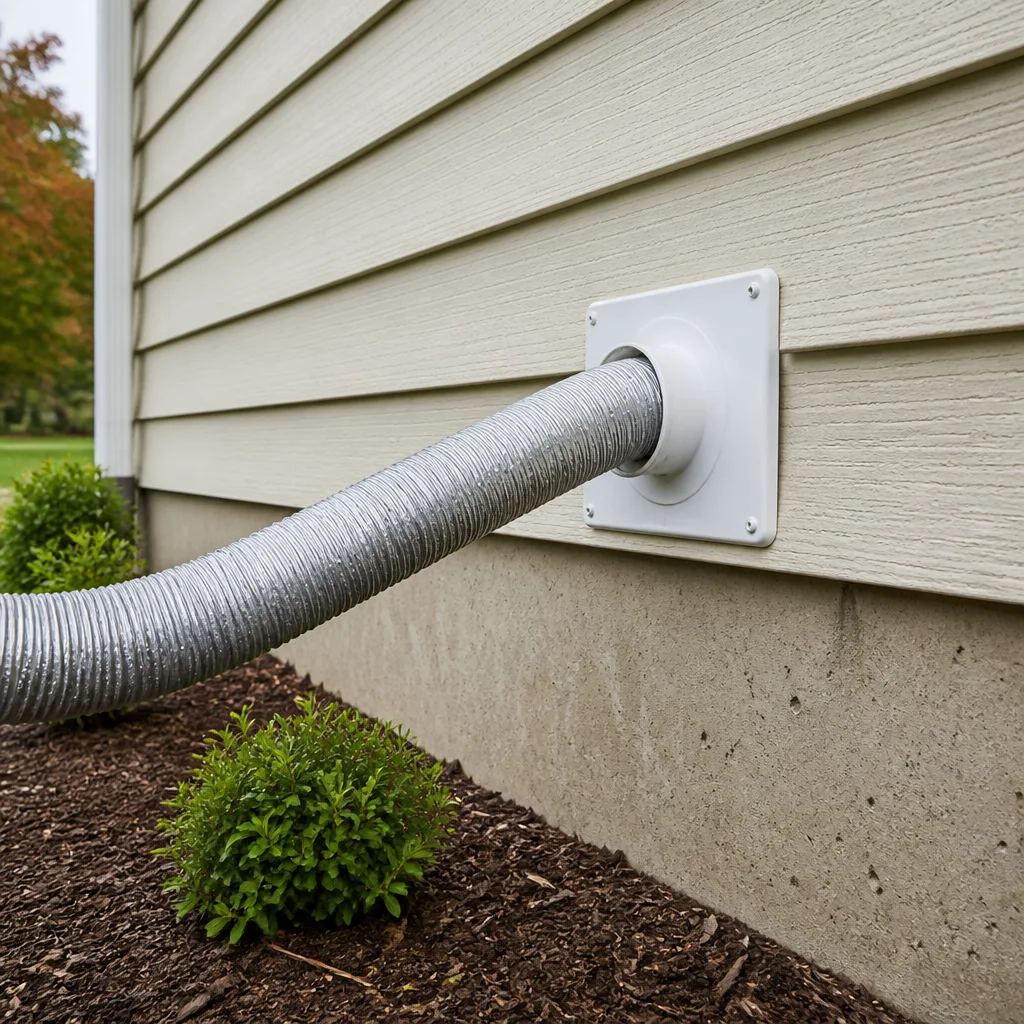 Dryer vent cleaning
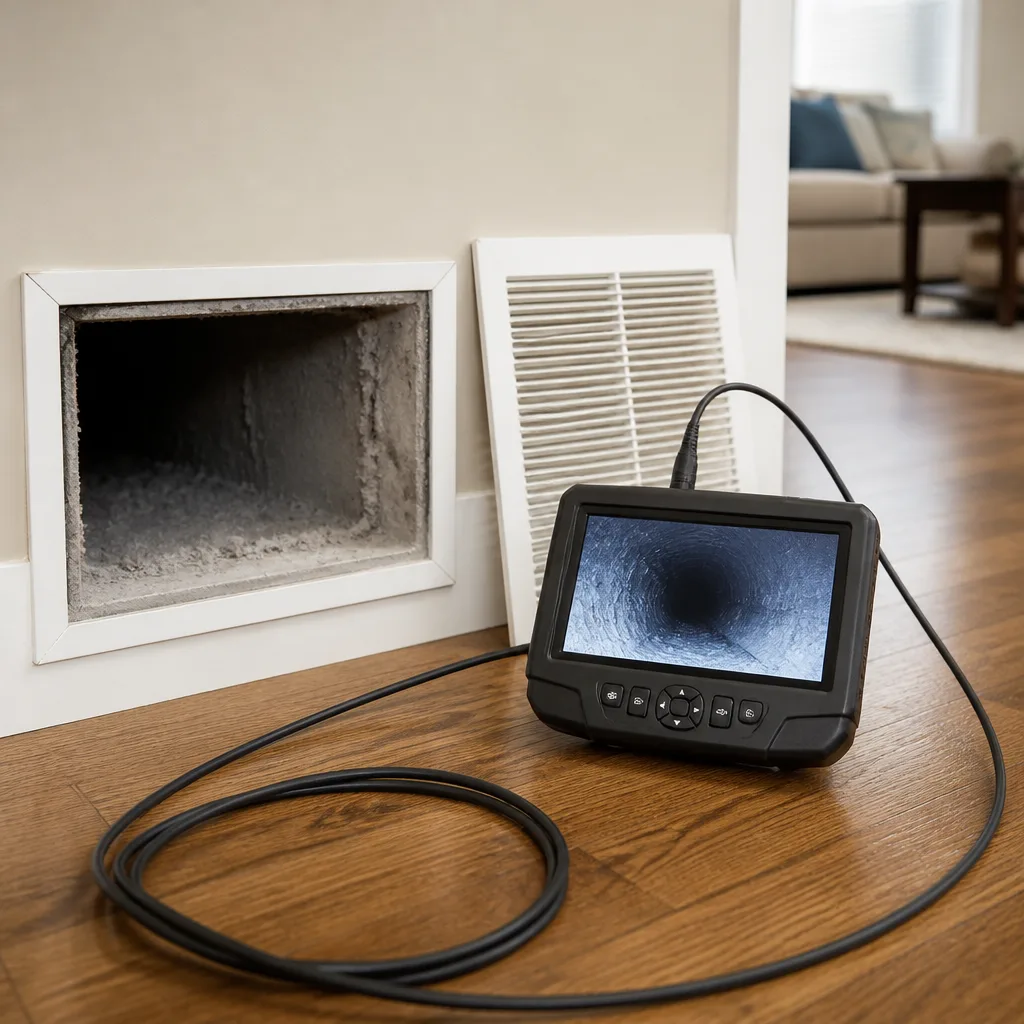 Camera inspection
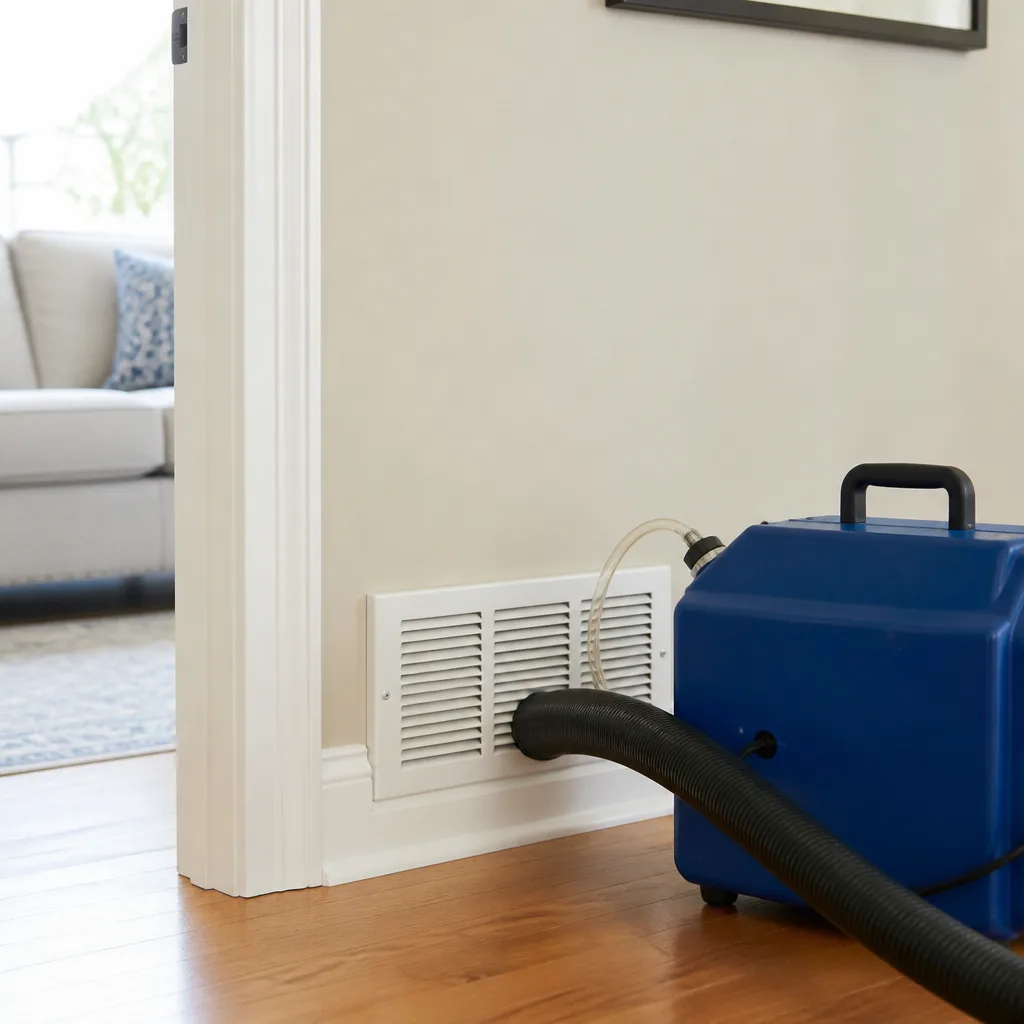 Sanitizing & deodorizing
Whole-system duct and dryer vent check with before-and-after photos - you see exactly what came out of your vents
That "$99 whole-house special" is a bait ad - the real number appears once they are in your hallway, or the "clean" is a shop-vac at the register. We photograph the inside of your ducts before and after instead.
Air Duct Cleaning Troubleshooting in Killeen: Common Problems and How to Fix Them
If your vents are still blowing weak or smelling musty two weeks after a cleaning, the duct was never the real problem, and a second cleaning won’t fix it either. That’s the uncomfortable truth most homeowners in Killeen run into. A vacuum removes dust, but it can’t reconnect a crushed flex run, seal a leaking joint behind the drywall, or correct a duct system that was never balanced in the first place. This guide is built to help you tell the difference before you spend money on the wrong fix. You’ll learn how to read your own airflow, decode what different odors mean, spot a kinked duct you can actually see, and understand when a technician should be reaching for a camera instead of a brush.
Quick Answer
Most air duct “problems” in Killeen fall into two buckets: contamination (dust, debris, microbial growth that cleaning addresses) and mechanical failure (leaks, disconnected joints, crushed or kinked flex runs that cleaning cannot fix). Diagnose which one you have first by testing airflow at each vent and looking for visible damage, then choose the right service. If airflow is weak and the ducts look intact, you likely need cleaning. If airflow is weak or uneven and you can see sagging, pinched, or disconnected duct, you need repair.
Styles & brands we work with
- Whole-home duct cleaning
- Dryer vent cleaning
- Camera inspection
- Sanitizing & deodorizing
Table of Contents
- Contamination vs. Mechanical Failure: How to Tell Them Apart
- Reading Your Own Airflow: A 5-Minute Diagnostic
- What That Smell Is Actually Telling You
- Why Killeen’s Clay Soil Kinks Duct Runs
- Static Pressure: The Number Most Crews Never Check
- When a Technician Should Use a Camera Scope
- What You Can Check Yourself vs. What Needs a Pro
- Matching the Symptom to the Right Service
Contamination vs. Mechanical Failure: How to Tell Them Apart
Dirty ducts and broken ducts can produce the same symptom: air that doesn’t feel right. But they need completely different solutions, and mixing them up is the single most common reason people pay for a cleaning that doesn’t solve anything. Contamination means the inside of the duct is coated with dust, debris, or biological growth, but the duct itself is structurally sound and delivering air where it should. Mechanical failure means the duct is leaking, disconnected, crushed, or undersized, so the air it carries never reaches the room.
Here’s a simple way to think about the two:
- Contamination signs: visible dust puffing from vents when the system starts, a musty or stale smell in every room, dust settling on furniture faster than normal, and airflow that feels roughly equal room to room.
- Mechanical failure signs: airflow that’s strong in some rooms and weak in others, a room that never gets comfortable no matter the thermostat setting, whistling or rattling at a specific vent, higher energy bills without a change in habits, or visible sagging duct in the attic or crawlspace.
The tell is unevenness. Contamination tends to be a whole-house problem, so every room suffers roughly equally. A mechanical failure is usually localized, because the damaged section only affects the rooms downstream of it. If one or two rooms are always the problem, look hard at the duct runs feeding them before you call for a cleaning.
In our experience across Killeen, the second scenario is more common than people expect. Homes that were built or re-ducted during a fast-growth period often have flex duct pulled tight around corners and squeezed through tight joist bays, and that installation shortcut shows up years later as a room that just won’t heat or cool.
Reading Your Own Airflow: A 5-Minute Diagnostic
You don’t need tools to get a first read on your duct system. You need ten minutes and a piece of tissue. This diagnostic won’t replace a professional assessment, but it will tell you whether you’re looking at a cleaning job or a repair job, and it will help you ask better questions when you call.
- Turn the system to fan-only. Set the thermostat to circulate air without heating or cooling. This isolates the duct system from the equipment.
- Hold a tissue an inch from each supply vent. Note how strongly it pulls toward the grille or flutters. Go room to room and rank the vents from strongest to weakest.
- Look for one or two outliers. If the weakest vents are in the same branch of the house (say, two bedrooms on the far side of the garage), that’s a sign of a single failing duct run, not a whole-system dust problem.
- Check the return grilles. A single large return that’s pulling hard while supplies are weak can mean the return is oversized or the supply side is leaking somewhere in the attic.
- Listen at each vent. Whistling means restricted flow at that point. A rattle or hum can mean a loose fitting, a detached inner liner, or a fan running against too much static.
- Walk the attic or crawlspace if you can access it safely. Look for flexible duct that’s pinched, sagging under its own weight, twisted into a kink, or disconnected from a boot.
Write down what you find. A technician who hears “the two front bedrooms are weak and I can see one duct pinched near the air handler” can bring the right equipment on the first visit rather than making a second trip. That’s a real advantage for you, and it points straight to what kind of air duct cleaning or repair work actually makes sense.
What That Smell Is Actually Telling You
Odor is the most misread diagnostic signal in ductwork. Homeowners tend to call every smell “dirty ducts,” but the type of smell narrows the cause considerably, and some of them aren’t a cleaning problem at all. Paying attention to what your nose reports can save you a wasted service call and, in one case, keep you out of a genuinely unsafe situation.
- Musty or wet-earth smell: points to moisture intrusion and biological growth somewhere in the system. That’s typically in the duct liner, the coil pan, or a plenum that stays damp. Cleaning helps, but if the moisture source isn’t corrected, the smell returns. This is the most common odor complaint in Killeen homes with humid summers and high indoor humidity during the cooling season.
- Burning smell when the heat kicks on: usually dust burning off the heat exchanger on the first heat cycle of the season, which is normal for the first few minutes. If it persists or smells electrical, stop running the system and have it checked. That’s not a duct issue and shouldn’t be treated as one.
- Rotten egg or sulfur smell: this indicates a possible gas issue and is a call-your-gas-provider situation, not a duct cleaning one.
- Stale, dusty smell on every start: the classic contamination odor. Dust that’s accumulated in the main trunk gets stirred up and pushed into the rooms each time the blower starts.
- Odd chemical or plastic smell: can indicate a hot component or an off-gassing material. Worth investigating with a pro rather than repeated cleaning.
Here’s a point most guides skip: odor coming from one vent and not others usually points to a localized problem, not the whole system. That could be a return near a bathroom exhaust, a duct running through a damp crawlspace section, or a boot that’s picked up moisture from a slow leak. A cleaning crew that doesn’t ask where the smell is concentrated isn’t diagnosing; they’re just cleaning.
Why Killeen’s Clay Soil Kinks Duct Runs
Killeen sits on expansive clay soil, and that matters more to your ductwork than most homeowners realize. Clay swells when wet and shrinks when dry, and that seasonal movement shifts foundations, pier-and-beam structures, and slab edges. It’s slow, it’s subtle, but it’s relentless, and over years it twists and pulls on the structural wood that flex duct is stapled to. When the framing moves, the flexible duct that was run through it doesn’t always move with it gracefully.
The result is a duct system that develops kinks and pinched sections in specific, predictable places:
- Where duct runs squeeze between joists. The structure shifts, the joist bay narrows, and a duct that used to fit now sits pinched against the wood.
- At hard 90-degree turns near the air handler. A duct pulled tight around a corner kinks on the inside of the bend, choking off flow.
- Where duct crosses from one framing section to another. Differential movement pulls the duct out of round and sometimes off its connection entirely.
- At penetrations through a wall or floor. Framing movement at a rigid boot can tear the flex where it attaches.
You can identify a kinked or crushed duct yourself if you have safe attic or crawlspace access. Look for duct sections that are visibly flattened, twisted into a corkscrew, pinched to less than half their normal diameter, sagging between supports, or disconnected entirely from a boot or plenum. Take photos. Bring them to the technician, and ask a direct question: “Is this a cleaning job or a repair job?” A crushed run doesn’t need a vacuum. It needs a competent duct cleaning Killeen assessment, followed by a repair that may include replacing the crushed section, re-hanging it with proper support, or re-routing it around the structural pinch.
Static Pressure: The Number Most Crews Never Check
Static pressure is the resistance air meets as it moves through your duct system, and it’s the single most useful diagnostic measurement in residential HVAC. A technician with a manometer can read pressure at the return and supply sides of the air handler and get a number that tells them, in minutes, whether the ducts are restricting airflow. If the total external static pressure is well above what the equipment was designed for, the ducts are the problem and cleaning may or may not help. If it’s in range, the ducts are likely fine and the issue is somewhere else.
Why does this matter for a homeowner comparing quotes?
- It separates diagnoses from guesses. A crew that measures static pressure can tell you whether the problem is the ducts, the coil, the filter, or the blower. A crew that only inspects the ducts can’t.
- It tells you whether cleaning will help. If dust is restricting an otherwise healthy duct, cleaning restores flow. If the duct is undersized or crushed, cleaning does nothing.
- It’s cheap to measure and expensive to skip. The tool costs a few hundred dollars and takes a technician a couple of minutes to use. Most residential crews don’t carry one. That’s a signal about how they diagnose.
- It narrows down filter problems. A homeowner running a high-MERV filter the system wasn’t designed for can create the same symptom as bad ducts. Static pressure catches that quickly.
If you’ve had a cleaning that didn’t fix the airflow, ask the next technician whether they measure static pressure. If the answer is no, you’re paying for a service that isn’t matched to the actual problem. Commercial-grade equipment matters, but the diagnostic before the equipment matters more.
When a Technician Should Use a Camera Scope
A camera scope is a flexible inspection camera pushed into the duct to see what’s actually happening inside. It’s not needed on every job, but there are specific situations where skipping it means guessing, and guessing inside an enclosed duct system is expensive. Here’s when a scope should be part of the visit:
- After a cleaning that didn’t solve the complaint. If airflow is still weak or odor persists, the scope finds what the brush and vacuum missed.
- When flexible duct is routed through an inaccessible area. Flex that runs through a sealed chase or under a finished floor can’t be visually inspected any other way.
- When you suspect a disconnected joint. A scope confirms whether the duct is truly connected and can pinpoint the break location before anyone crawls through the attic.
- Before recommending an expensive repair. A scope justifies the repair by showing you what’s wrong on a screen, which is far better than taking someone’s word.
- When contamination is suspected on the duct interior. The scope shows whether there’s growth, debris, or damaged liner that must be addressed differently than a simple vacuuming.
If a company doesn’t offer a scope, that’s a real limitation. Not every job needs one, but a service that can’t inspect inside a duct has no way to diagnose duct interior problems beyond “it looks dirty from the vent.” Ask about scope use when you’re comparing quotes. The companies with a real diagnostic process will tell you clearly what they’ll scope and why, and the companies without one will change the subject. We bring scope-ready inspection to jobs where the symptom points inward, along with the negative-air containment and HEPA vacuum equipment that keeps contaminated debris out of your living space during the work itself. Contaminants captured, not redistributed, is the whole point of that setup.
What You Can Check Yourself vs. What Needs a Pro
You can do useful diagnostic work without touching anything dangerous. You can also get yourself into real trouble if you push past that line, so here’s the line. It matters more with ductwork because it’s frequently adjacent to the equipment that generates the heat and electricity in the home.
Safe to check yourself:
- Airflow feel at each vent with a tissue
- Visible dust or debris around the vent covers
- Sagging, kinked, or disconnected duct in an attic or crawlspace you can safely access
- Filter condition and whether it matches the equipment spec
- Musty or stale odors and where they’re concentrated
- Dust buildup on registers and return grilles
Requires a trained professional:
- Any work at or inside the air handler or furnace cabinet. The furnace contains a heat exchanger, burners, electrical controls, and potentially a live gas line. This is genuinely dangerous work for anyone without trade training, and repeated opening and closing of the cabinet can damage it.
- Electrical panel work or anything involving the control wiring.
- Static pressure measurement at the plenum or blower compartment.
- Camera scope inspection inside the duct interior.
- Duct repair that involves removing or reinstalling flex runs, resealing joints, or rerouting duct around structural obstructions.
- Any cleaning that involves mechanical agitation inside the duct system. Rotary brushes and compressor-driven systems demand matching vacuum to containment, and doing this wrong redistributes debris into the home.
The dividing line is simple: anything more than a vent, filter, or a duct section you can see with your eyes and touch with a gloved hand is a professional job. A trained technician has the equipment and the safety practices. That’s also where the equipment becomes a trust signal, because you can see the difference between a consumer shop vac and the Rotobrush rotary brush and Nikro HEPA vacuum that a specialist brings. It’s also why dryer vent cleaning, which touches on one of the leading causes of residential fires, belongs on a professional’s list. The lint that accumulates in a dryer vent is flammable, and maneuvering a long brush through a rigid vent run without damaging it takes the same equipment and technique as ductwork. A homeowner with a shop vac is more likely to leave the clog in place than clear it.
Matching the Symptom to the Right Service
Once you’ve done the diagnostic work, you’ll land in one of a few recognizable categories. Matching your symptom to the right service is what keeps you from paying twice for the same problem. Here’s the map:
- Dust puffing on startup, musty smell throughout, dust settling fast: contamination. This is where air duct cleaning earns its cost. Look for a crew using commercial-grade equipment and negative-air containment, so the debris comes out of the system instead of into your home.
- Uneven airflow, one or two rooms always uncomfortable, whistling at a specific vent: mechanical failure. This is repair territory, and cleaning won’t help. Look for a service that can inspect, diagnose, and repair ductwork, not one that only cleans.
- Weak airflow at every vent, system runs long, filter dirties fast: partial restriction somewhere in the system. Could be a crushed trunk, a filter issue, a coil clog, or a disconnected section. Static pressure and scope inspection sort it out.
- Dryer taking two cycles to dry a load, lint visible in the vent line, warm dryer cabinet: clogged dryer vent. This is in the dryer vent cleaning lane, and it’s worth doing sooner rather than later for safety reasons.
- Smell from one vent only, or smell that comes and goes with weather: localized issue. Could be a damp crawlspace section, a leak near a boot, or a return that’s pulling from a musty area. Scope and visual inspection find it.
One more option, and it’s often overlooked: upgrade. If your ductwork is structurally sound and the diagnostics come back clean, but you still want better air, the answer isn’t another cleaning. It’s filtration. Whole-home filter systems and media cabinets from Honeywell and Aprilaire, or Guardsman filter products, deliver measurably better indoor air quality once contaminants are removed. That’s a different problem than a dirty duct, and it calls for a different product. If you notice the system fighting you after a heavy dust season or a nearby construction project, a cleaning is worth it and a filtration upgrade is worth considering at the same time. If you’re not sure which you need, start with a free estimate.
Common Mistakes to Avoid
- Calling for a cleaning before checking airflow at each vent. A five-minute tissue test would tell you whether the problem is whole-house or localized, and that changes the entire service recommendation.
- Assuming a musty smell is “just dirty ducts.” Musty often means moisture intrusion, and if you don’t fix the moisture source, the smell returns within weeks of any cleaning.
- Re-booking a cleaning after a cleaning didn’t work. If it didn’t fix the problem the first time, it’s not going to fix it the second time. The issue is mechanical or diagnostic, not contamination.
- Ignoring the kinked duct you can see. In Killeen, foundation and framing movement can kink flex runs without anyone noticing. If you spot sagging or crushed duct in the attic, get it repaired before paying for a cleaning that can’t help.
- Hiring a crew that doesn’t ask diagnostic questions. A company that quotes a price without asking about airflow, odor location, and seasonal patterns is a company that plans to sell the same cleaning to every house.
- Skipping dryer vent cleaning because it “still works.” A dryer that still dries clothes can still have a significant lint clog. The dryer vent is a fire-safety component, and it deserves the same attention as the air ducts.
- Adding a high-MERV filter to a system that can’t handle it. A restrictive filter can create the exact same symptom as dirty ducts. Have your system checked for static pressure before upgrading filtration, or you may make the airflow problem worse.
See the difference
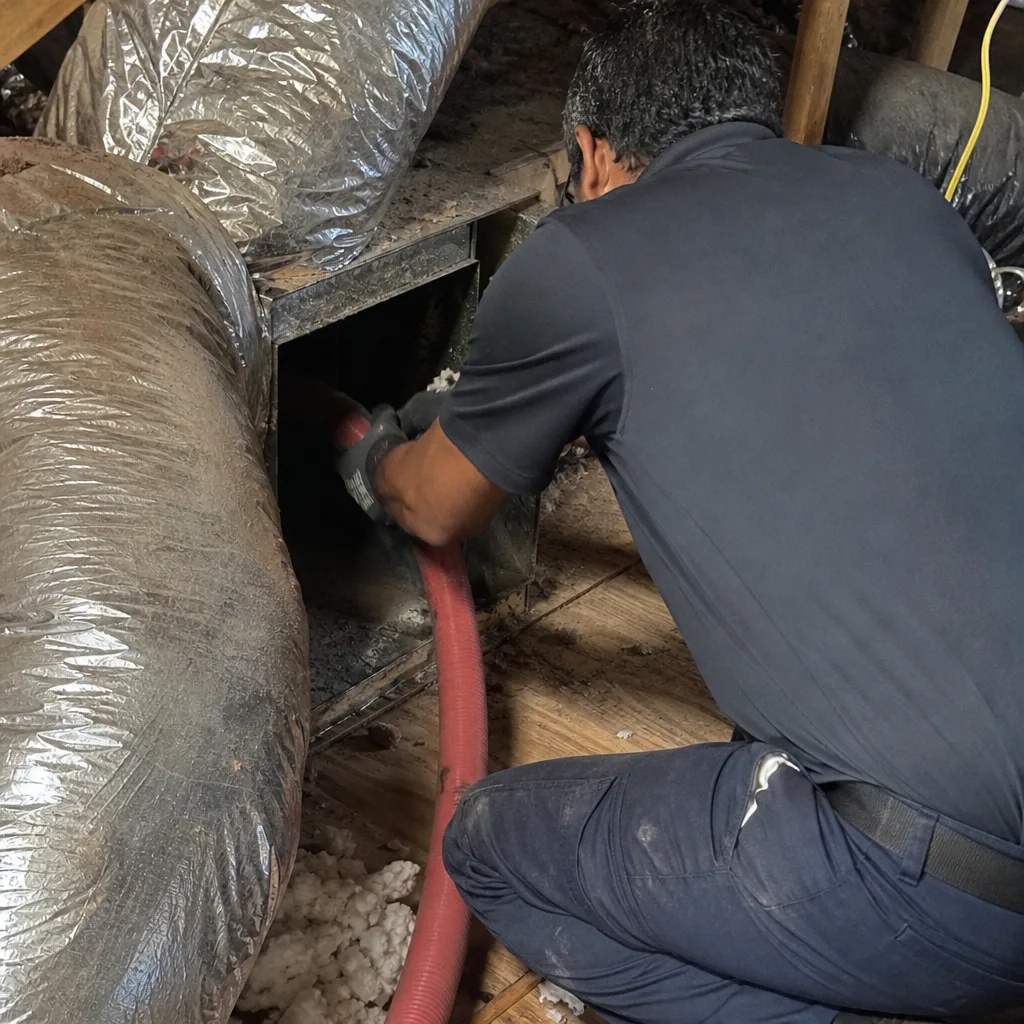 Before
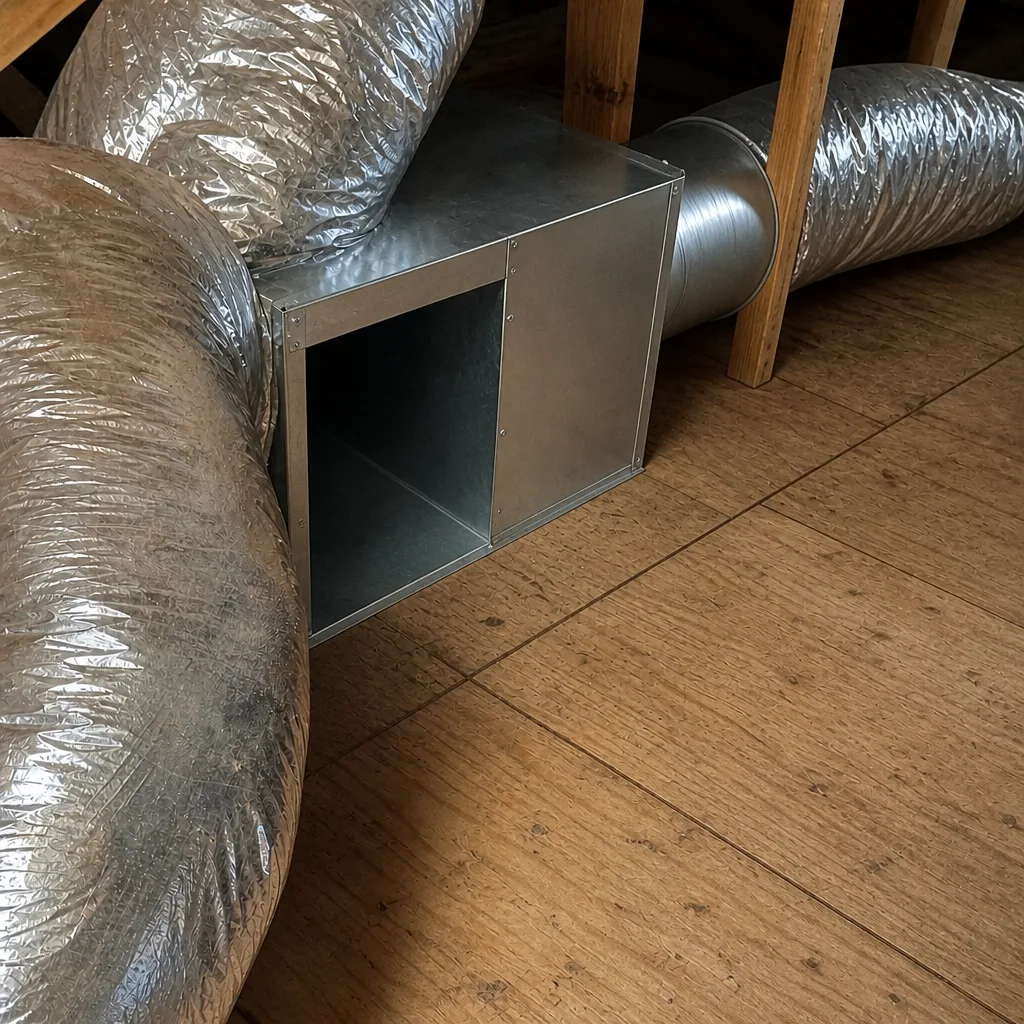 After
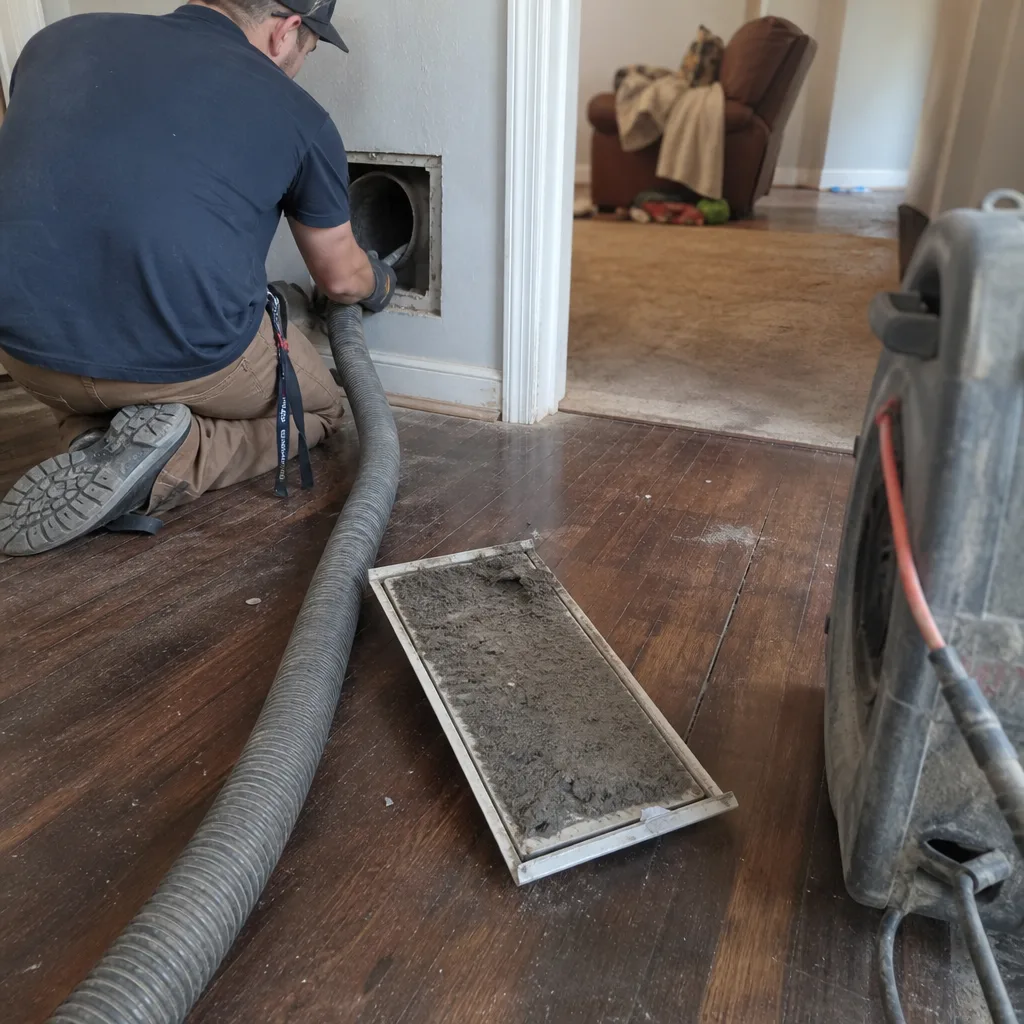 Before
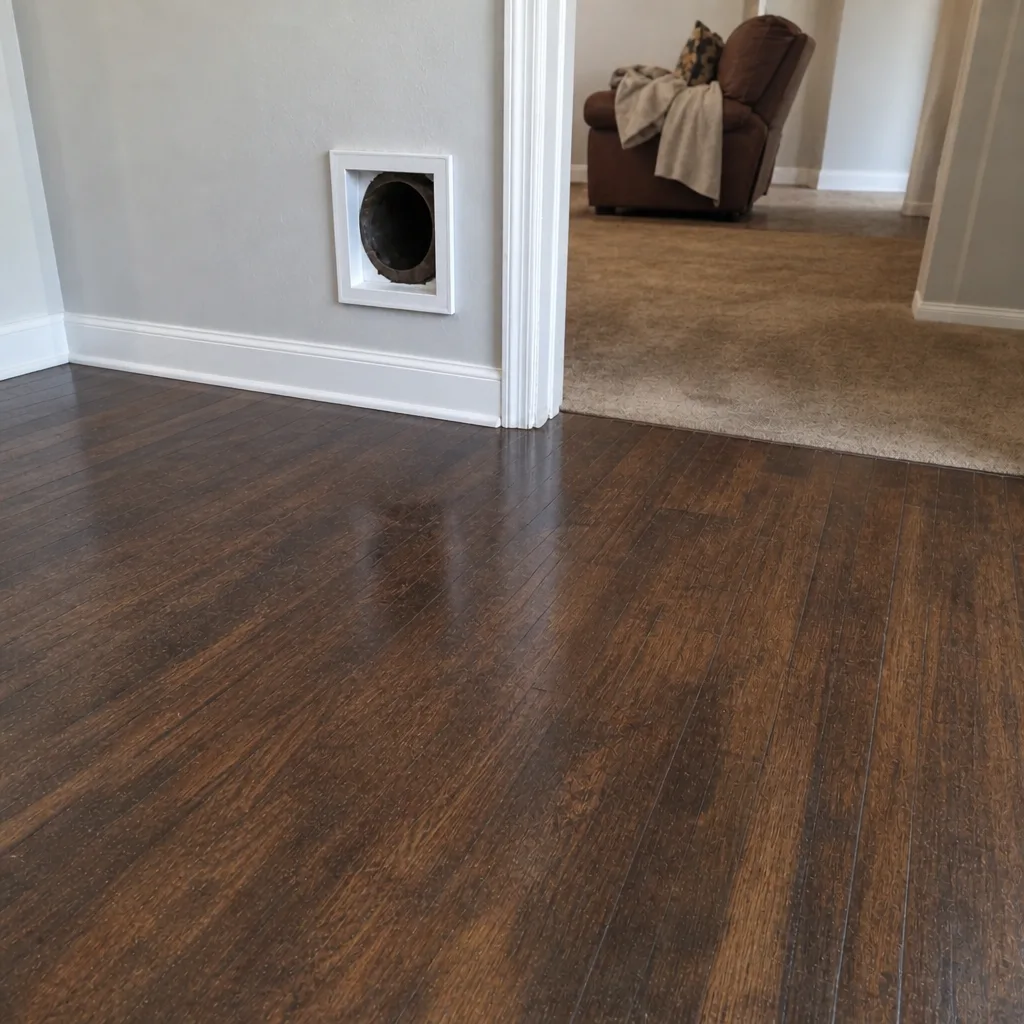 After
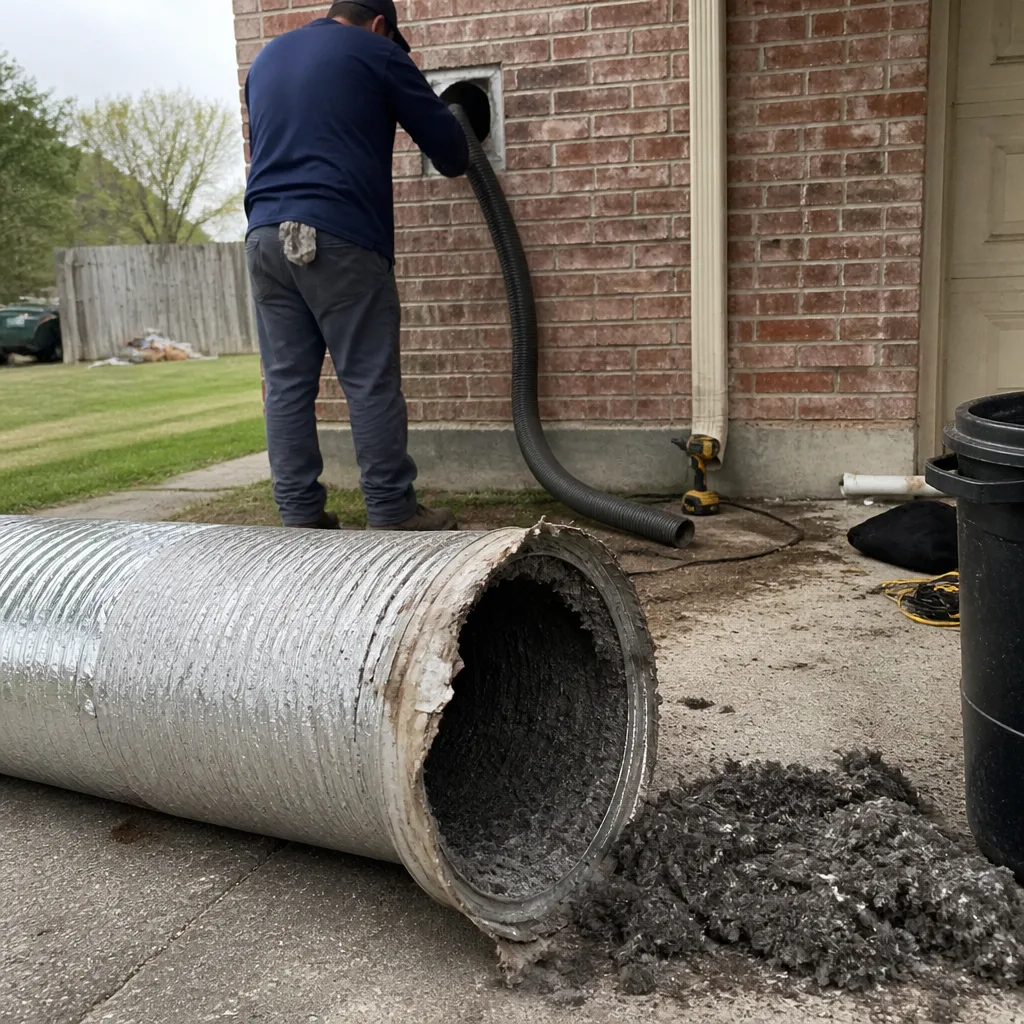 Before
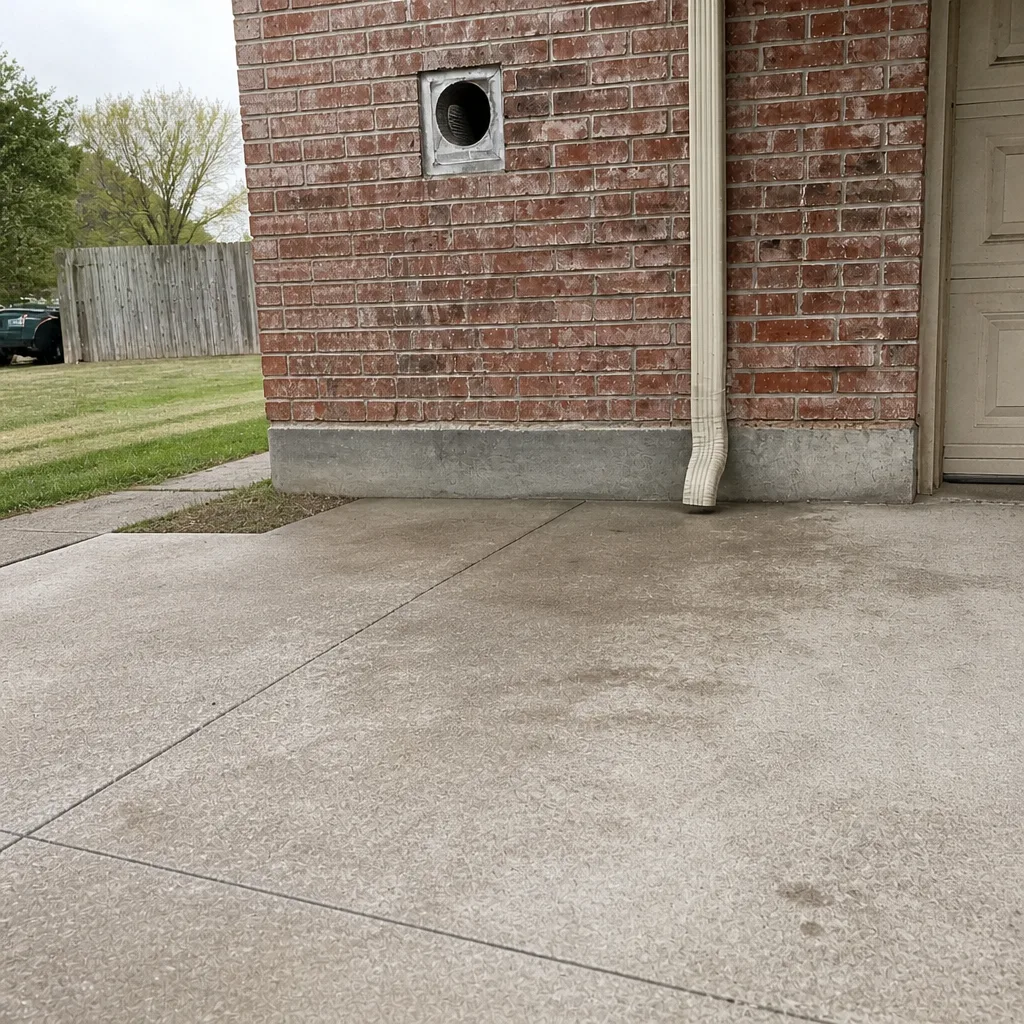 After
When to Call a Professional
Call a professional when the diagnosis points toward something you can’t safely handle, or when the diagnosis is unclear and you’re guessing. In practical terms, that’s a smell you can’t explain, an airflow problem that isn’t isolated to one vent, a duct you can see is kinked or disconnected, a dryer taking two cycles to dry a load, or a system that’s been cleaned once and still doesn’t work right. The last one is the most telling, because a second cleaning is almost always the wrong move. A trained technician with a scope and static pressure gauge can find out what’s actually happening inside the ducts, and a service that repairs as well as cleans can fix it on the spot instead of handing you a list of things you need to call someone else about. Duct Cleaning Killeen offers free estimates in Killeen. Call (833) 754-6799. We answer 24/7. Fast dispatch from 7am to 7pm, Sunday through Friday. Estimates are free and the price is set per job by the written estimate.
Frequently Asked Questions
Most whole-home air duct cleaning jobs run in the range the industry considers typical for a single-family home in this market, and the written estimate sets the final price. We quote per system, not per vent, so the estimate is one flat number for the job rather than a total that grows as the technician counts vents. Call (833) 754-6799 for an exact quote. Estimates are free.
Low quotes usually reflect a different scope: a shop vac and a few minutes at each vent, with no containment, no HEPA capture, and no diagnostic inspection. That price can look attractive until you see the debris on your furniture afterwards, which is why containment equipment and a proper vacuum matter more than the price tag. The cost of a real cleaning covers the equipment and the process. Call (833) 754-6799 for an exact quote on what a real job should cost in your home. Estimates are free.
Ask for before-and-after photos of your own ducts, taken through the vent or on a scope camera during the work. A crew that does real cleaning has no problem producing them, and a crew that does a quick surface pass can’t. If the company can’t or won’t show you photos of your ducts, that’s your answer. Call (833) 754-6799 to book a job where you see the difference. Estimates are free.
Most homes don’t need duct cleaning every year; the honest answer is that it depends on what’s in the system. Homes with pets, recent renovation, heavy dust, or a musty smell need it sooner than a clean, well-maintained home. The right test isn’t a calendar, it’s a diagnostic. If the ducts are actually contaminated, clean them. If they aren’t, don’t. Call (833) 754-6799 to get an honest diagnosis first. Estimates are free.
Yes, and usually because the smell wasn’t from duct contamination in the first place. A musty odor that returns after cleaning is typically a moisture problem in the duct liner, coil pan, or a nearby crawlspace section, not a dust problem. Persistent odors after a cleaning point to a moisture source or a damaged duct section that needs repair. Call (833) 754-6799 to have the source diagnosed rather than cleaned again. Estimates are free.
Only if the weak airflow came from debris restricting the duct, which is less common than people assume. Weak flow from one or two rooms usually means a damaged, kinked, or disconnected duct run, and cleaning does nothing for that. A static pressure check and a scope inspection tell you which problem you have before you spend money. Call (833) 754-6799 to get the diagnosis right the first time. Estimates are free.
The Bottom Line
Most duct problems in Killeen are one of two things: contamination that cleaning can fix, or mechanical failure that needs repair. The quickest way to tell them apart is airflow feel and visual inspection, followed by a scope and static pressure check if the answer isn’t clear. Don’t book a cleaning to solve a repair problem, and don’t book a second cleaning if the first one didn’t work. The companies worth hiring will diagnose first, use commercial-grade equipment that captures contaminants instead of redistributing them, and show you before-and-after photos of your own ducts. That’s the whole difference between getting your air back and getting a bill.
Call (833) 754-6799. We answer 24/7. Fast dispatch from 7am to 7pm, Sunday through Friday. Estimates are free and the written estimate sets the final price.
Written by the team at Duct Cleaning Killeen.