
Last updated November 14, 2026
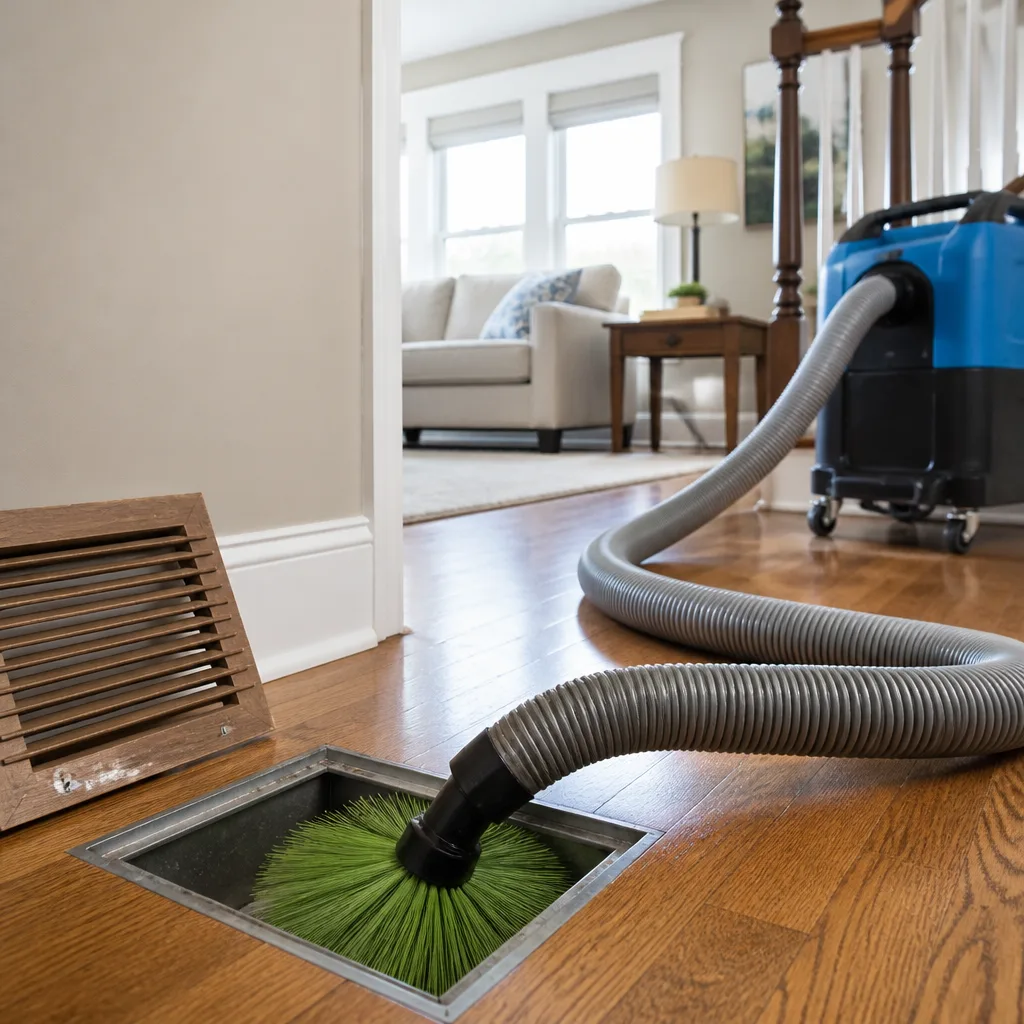 Whole-home duct cleaning
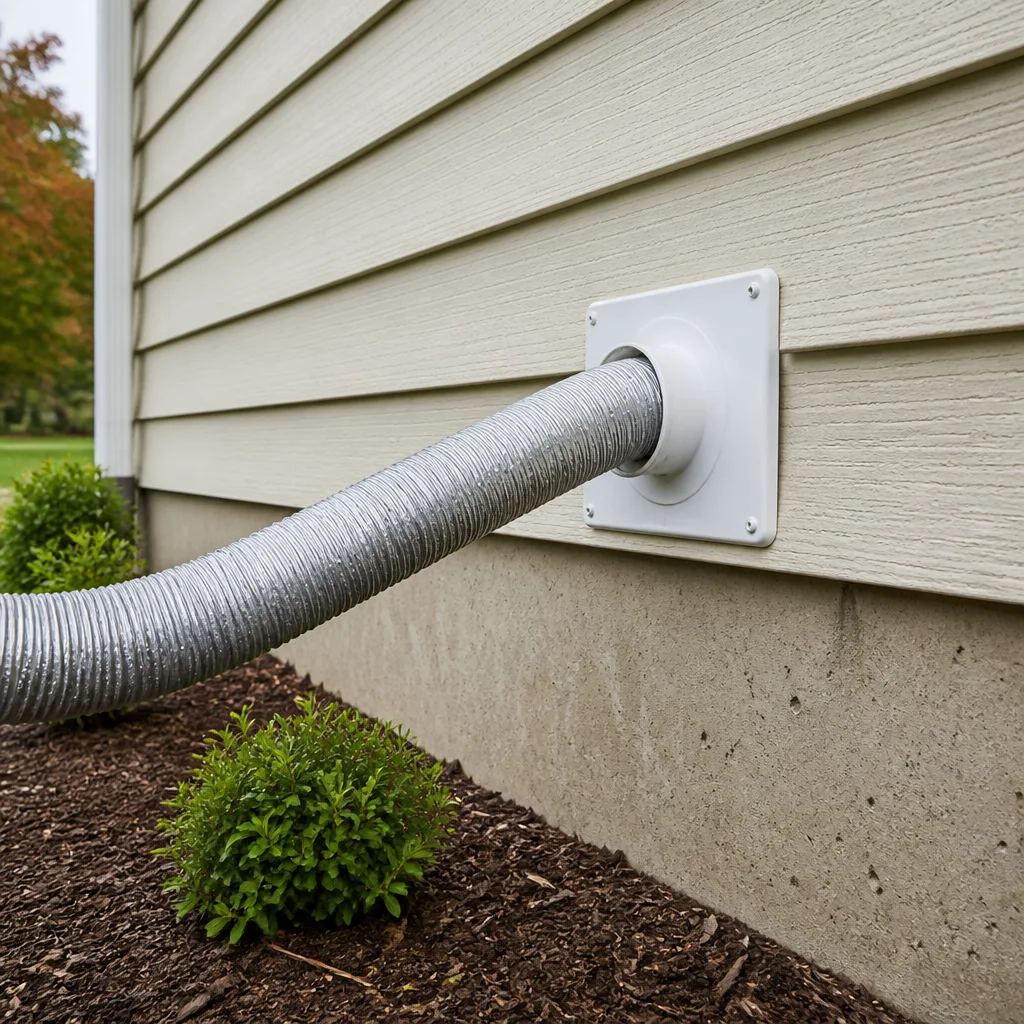 Dryer vent cleaning
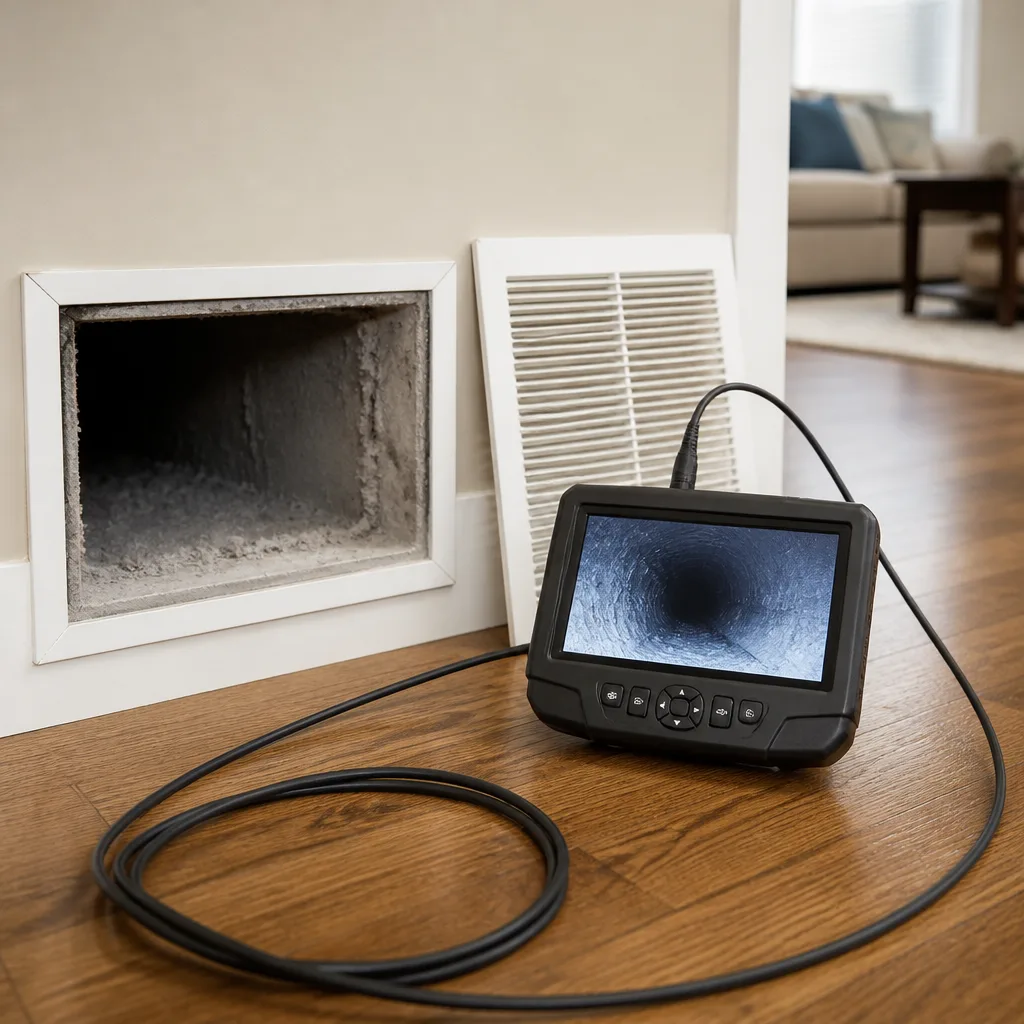 Camera inspection
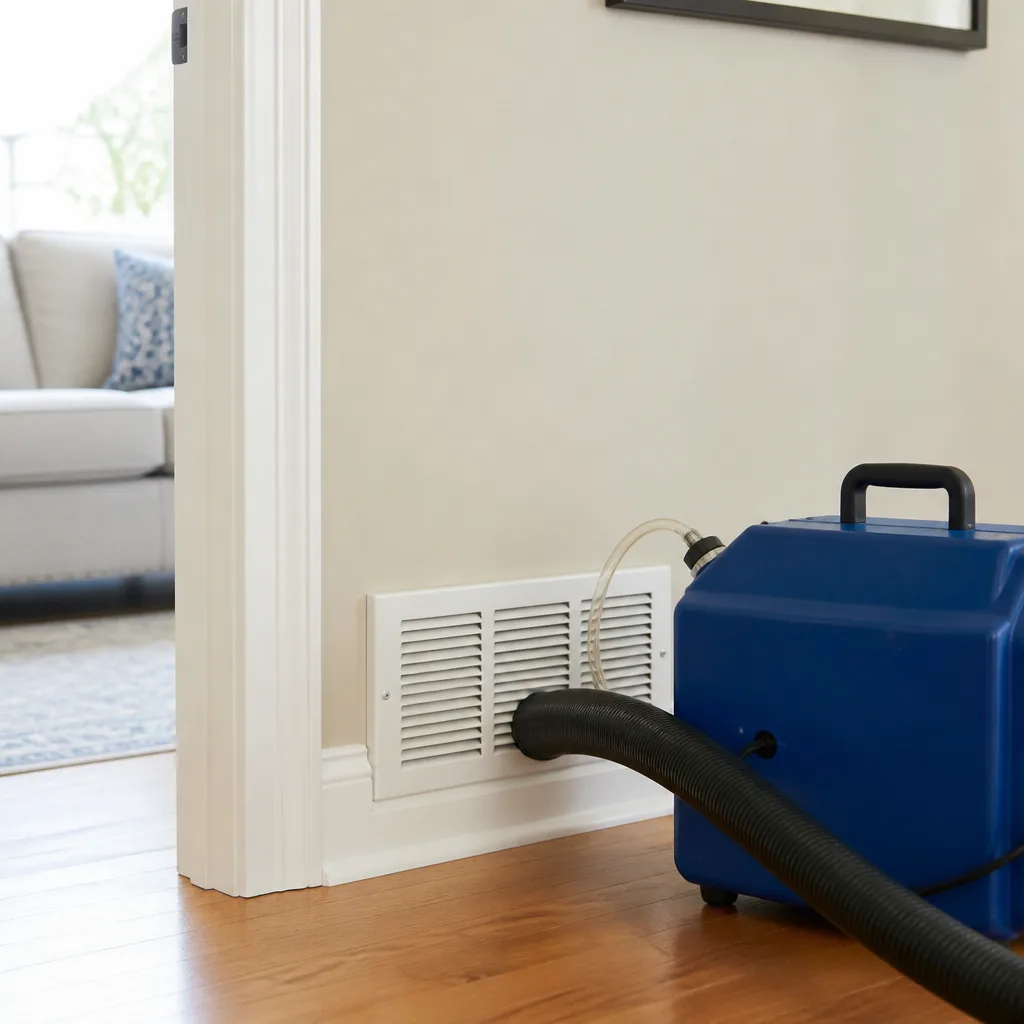 Sanitizing & deodorizing
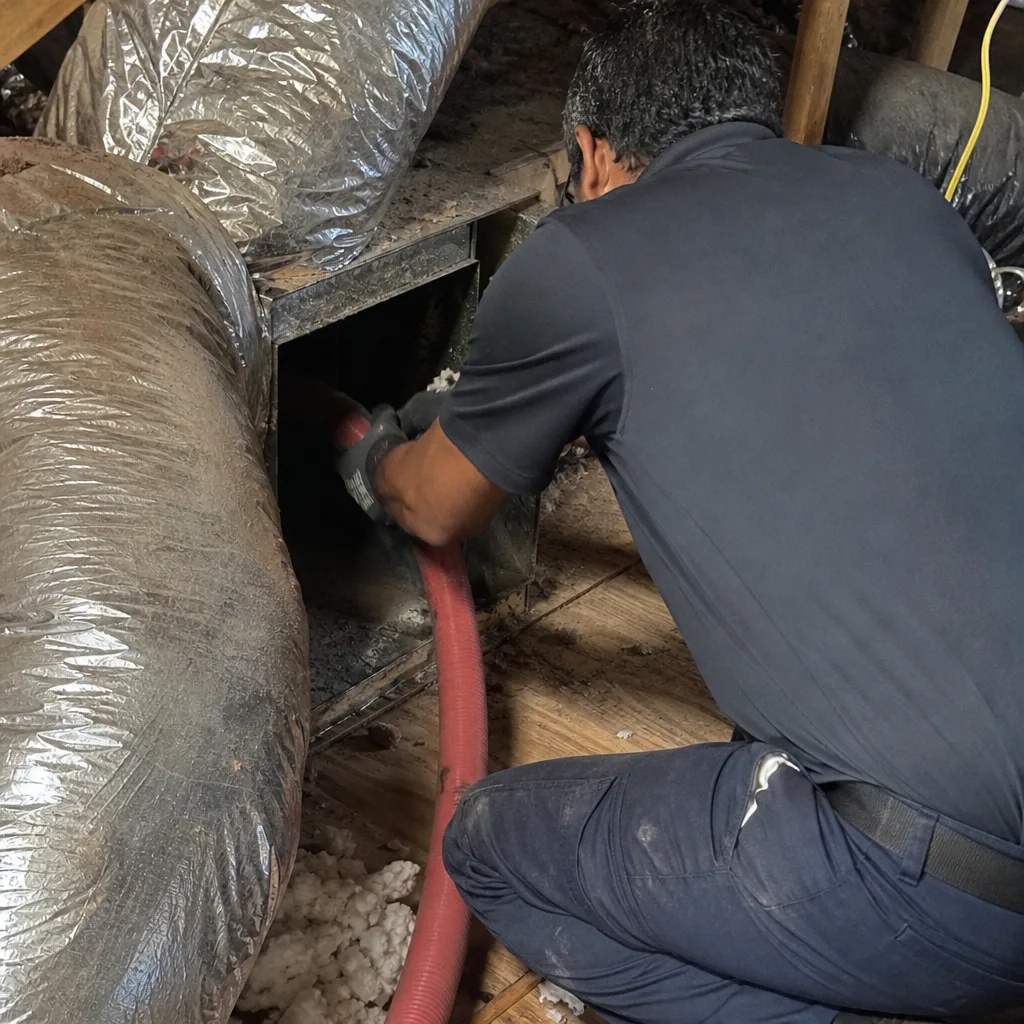
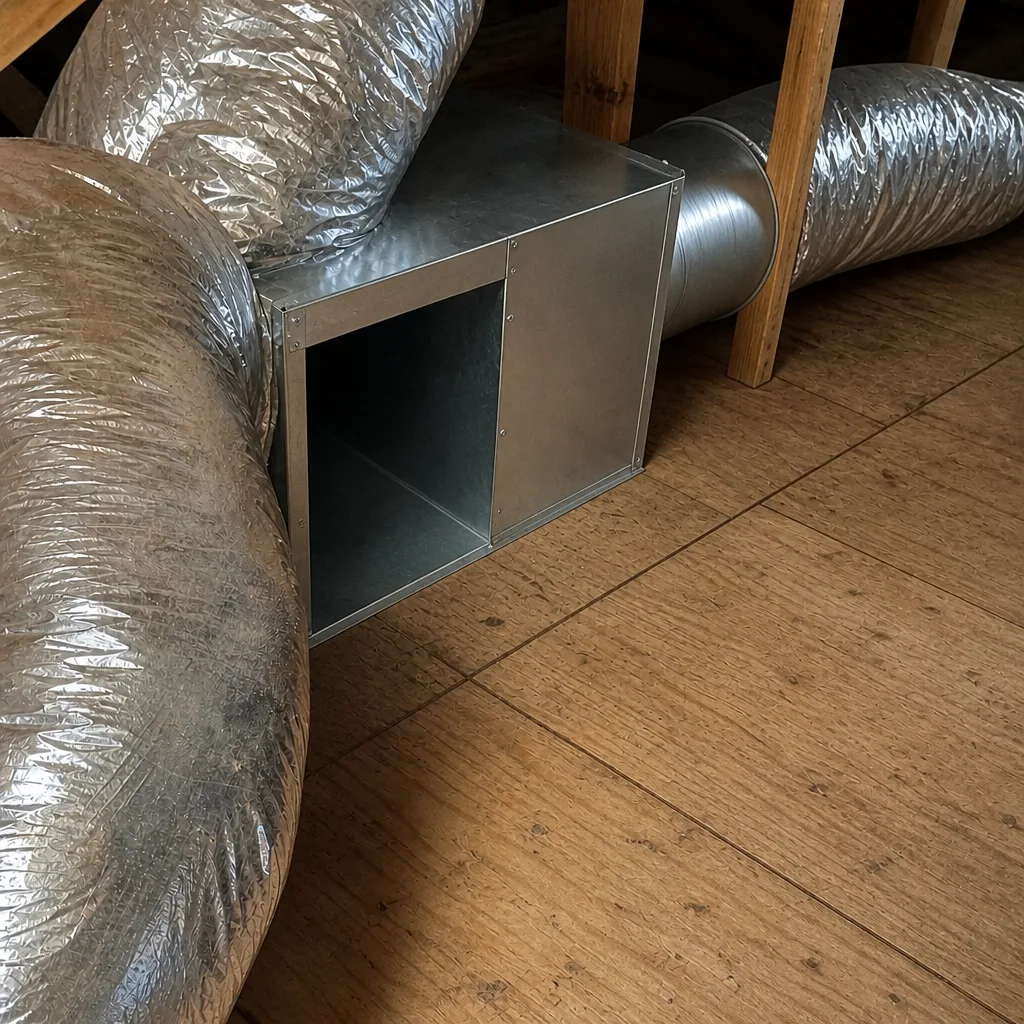
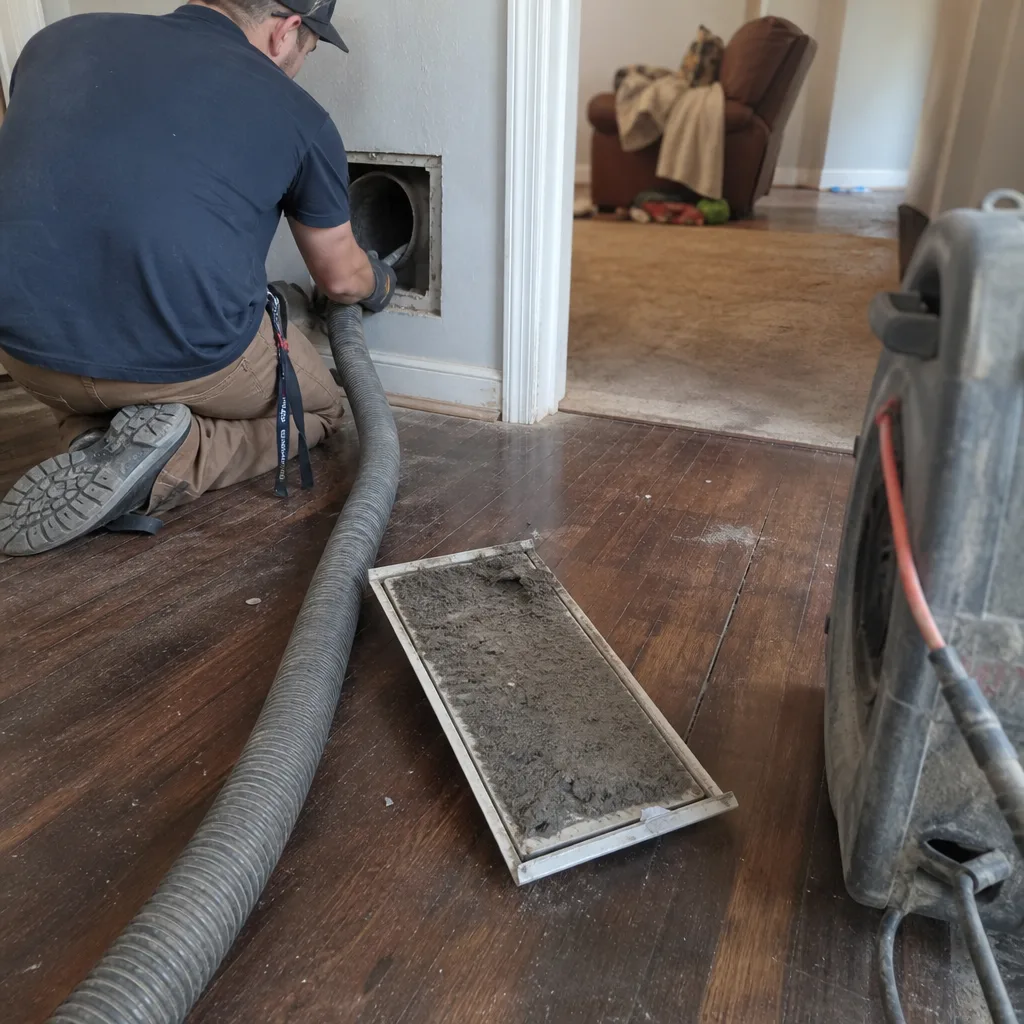
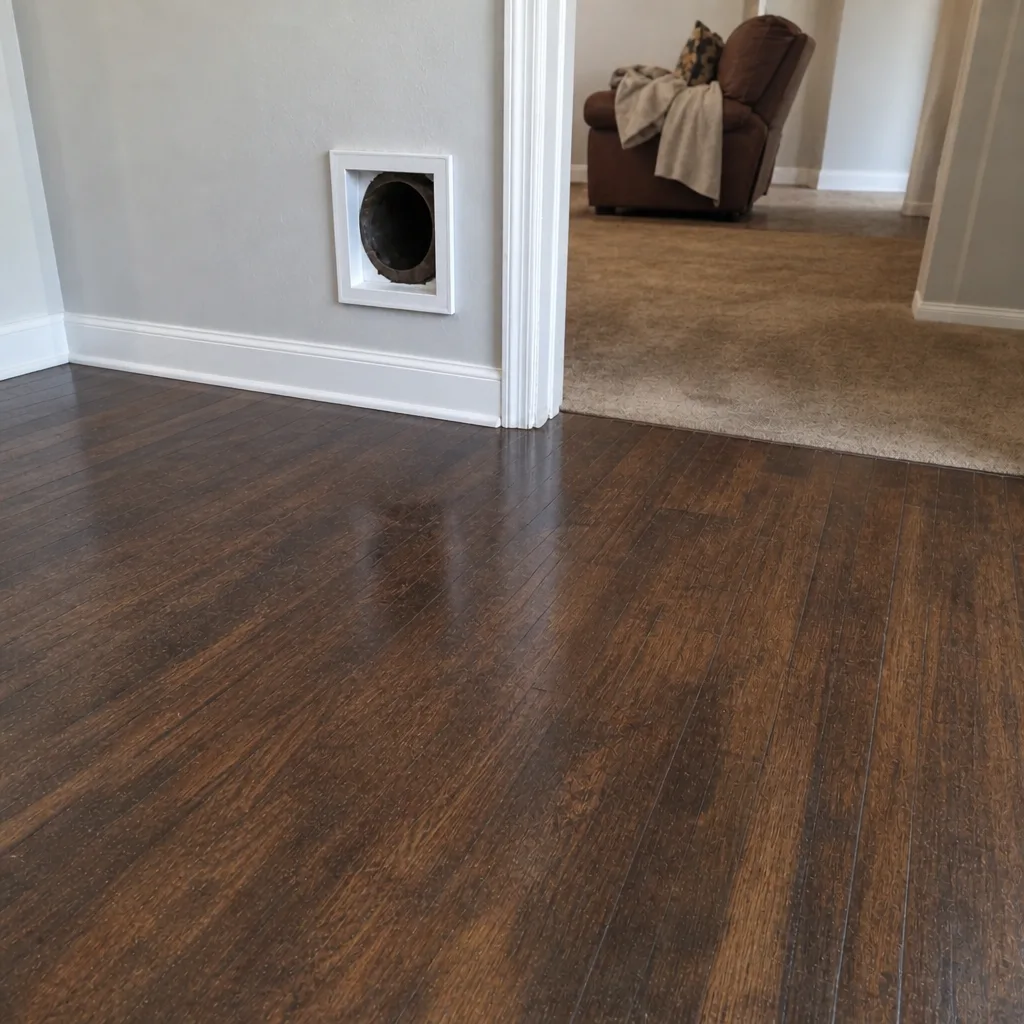
Whole-system duct and dryer vent check with before-and-after photos - you see exactly what came out of your vents
That "$99 whole-house special" is a bait ad - the real number appears once they are in your hallway, or the "clean" is a shop-vac at the register. We photograph the inside of your ducts before and after instead.
Air Duct Cleaning Maintenance Checklist for Killeen Homeowners
Most homeowners here are doing one thing right and three things wrong. They swap the MERV-8 filter on schedule, feel responsible about it, and then never look inside the return plenum, the trunk line, or the boots behind the registers. That’s roughly like changing your oil and skipping the air filter. The standard maintenance checklist floating around online was written for a temperate climate with a tight, well-sealed envelope and low exterior dust load, and that’s nothing like what Killeen systems actually deal with. This guide builds the checklist around real Central Texas failure points: what gets into the ductwork here, how the seasons drive it, and exactly when a homeowner task crosses the line into a professional job.
Styles & brands we work with
- Whole-home duct cleaning
- Dryer vent cleaning
- Camera inspection
- Sanitizing & deodorizing
Quick Answer
A useful air duct maintenance checklist in Killeen runs on a seasonal cadence: quarterly filter changes with MERV-8 to MERV-11 depending on your unit’s blower rating, a visual inspection of every accessible duct run twice a year, and a full professional cleaning roughly every three to five years, sooner in homes near heavy construction, unpaved lots, or with pets. Between cleanings, watch runtime, static pressure symptoms, and dust reappearance as your leading indicators.
Table of Contents
- Why Killeen’s Climate Makes a Generic Checklist Incomplete
- The Killeen Month-by-Month Air Duct Checklist
- Filter Selection: What MERV Rating Actually Fits a Killeen Home
- How to Visually Inspect Accessible Duct Sections Yourself
- Leading Indicators Your System Is Compensating for Dirty Ducts
- When a DIY Checklist Item Becomes a Professional Job
- The Dryer Vent Task Most Checklists Leave Out
- Common Mistakes to Avoid
- When to Call a Professional
- Frequently Asked Questions
- The Bottom Line
Why Killeen’s Climate Makes a Generic Checklist Incomplete
Killeen sits in a region of Texas where the dominant annual load on your HVAC system is cooling, not heating. That single fact reshapes what actually happens inside your ductwork. A system that runs the cooling cycle hard for most of the year is moving far more air hours than a northern equivalent, and every hour of airflow deposits a little more of what’s suspended in that air onto the inside walls of the ducts.
The Central Texas dust load is the second factor. This is a region of exposed soil, active construction, and the fine calcareous dust that comes with it. That dust doesn’t stay outside. Every time a door opens, every time a return pulls from a living space near a window or entry, it enters the system. The dry summers mean the dust stays airborne longer and settles more slowly than it would in a humid climate, which means more of it gets pulled into returns before it ever lands on a shelf.
The seasonal pattern matters too. A mild winter doesn’t give your system the long idle period that lets deposits dry and stay put. Heat runs interleave with cooling runs through the shoulder seasons, and because the system cycles back and forth rather than sitting dormant, the airflow never really stops for long. That’s why a checklist timed to “spring cleaning and fall shutdown,” the standard advice everywhere else, doesn’t map onto Killeen.
The result is that a Duct Cleaning Killeen homeowner is working against a system that runs more, pulls more particulate, and gets less recovery time than the generic checklist assumes. Every task below is built around that reality rather than a national average.
The Killeen Month-by-Month Air Duct Checklist
Think of this as a maintenance calendar, not a set of tasks to do whenever you remember. The goal is to do each task at the point in the year when it actually does the most good, and to catch the failures before they compound.
- January and February (mild winter shoulder): Inspect the filter housing and the first accessible run off the air handler for dust bridging. Heat cycles here are short and intermittent, so this is the best window to look at things you can’t see mid-summer. Check that all supply registers are open and unobstructed by furniture or rugs.
- March through May (pre-cooling ramp): Change the filter before the cooling season starts. This is the single most important calendar event of the year. Do a visual pass over the return grille and the trunk section you can reach. If you have pets, note the dust pattern on the return grille for comparison in August.
- June through August (peak load): Change the filter again at the midpoint. Watch runtime and listen for whistle or rattle at any register. This is when a restricted duct system shows its worst symptoms, and when a failing connection between two duct sections will start leaking conditioned air into a hot attic.
- September and October (post-peak inspection): Do the full visual inspection of all accessible duct sections. This is the ideal time to see the accumulated pattern from the whole season. Photograph anything questionable for a baseline.
- November and December (shoulder and pre-holiday): Change the filter again. Check the dryer vent exterior termination before the busy indoor season. Confirm that any detached joints or sagging flex runs you spotted in the fall have been addressed.
That’s roughly four filter changes a year, two visual inspections, one dryer vent termination check, and one seasonal audit of register airflow. It’s a light calendar when tasks are spread across the year rather than stacked in a single weekend. For a deeper working rhythm, see our guide to air duct cleaning and what a professional cleaning actually covers.
Filter Selection: What MERV Rating Actually Fits a Killeen Home
MERV-8 is the default that most manufacturers specify for residential systems, and it’s the right starting point for most Killeen homes. The trap is upgrading too aggressively. A filter’s MERV rating is a measure of its ability to capture small particles, but that capture comes at the cost of airflow resistance. Push the MERV rating too high on a system whose blower was designed for a lower-pressure filter, and you starve the unit of airflow, which raises static pressure and can freeze the evaporator coil in the summer.
Here’s how to think about rating selection:
- MERV-8: The standard fit for most residential air handlers. Adequate dust capture with low pressure drop. This is the safe default.
- MERV-11: A reasonable upgrade if your air handler is rated for it and you have allergy concerns or pets. Confirm the blower rating in your unit’s manual or on the data plate before making the switch.
- MERV-13 and above: Only if the system is specifically designed for that pressure drop, which most residential units are not. Higher MERV is not automatically better air for your home. It’s a trade against airflow.
- Filter thickness matters more than rating: A 4-inch or 5-inch filter has far more surface area than a 1-inch filter at the same MERV rating, which drops the pressure penalty substantially. If your filter cabinet can take a thicker media, that’s often a better upgrade than jumping to MERV-13.
For homes where the filter cabinet limits what you can do, we can recommend and install thicker-media and cabinet-mounted systems rated for high-MERV operation, using Honeywell or Aprilaire components. Those options exist specifically because pressure and capture are a balance, and the right answer depends on your unit’s blower curve, not a number on a package.
How to Visually Inspect Accessible Duct Sections Yourself
You don’t need scoping equipment for the first pass. You need a flashlight, a camera, and a willingness to look at things you’ve never looked at before. This is a task any homeowner can do safely, and it catches most of the problems worth catching.
- Start at the return grilles. Remove the grille cover (usually two screws or a friction fit) and shine the light up into the return boot. What you’re looking for: visible dust buildup on the walls of the boot, any debris that has fallen in, and whether the boot is properly sealed to the drywall.
- Check the filter slot itself. Pull the filter and look at the slot walls. If they’re coated with dust, the filter isn’t seating properly. That’s a bypass problem, and no filter fixes a bypass.
- Look at the air handler connection. The point where the duct meets the air handler cabinet is one of the most common leak points in residential systems. Look for gaps, separated mastic, or foil tape that’s peeling away.
- Inspect every accessible flexible run. Flexible ductwork should be pulled taut with gentle sweep bends, not crushed or kinked. Look for sagging runs (which pool condensation and dust), torn outer jackets, or disconnected sections. A disconnected flex run in an attic is dumping conditioned air into the attic and pulling attic air into your system, which is worse than a dirty duct.
- Photograph what you find. Photos are your baseline. When you call for a professional inspection, the photos tell the technician what to focus on, and when the work is done, before-and-after photos are how you verify it was actually done.
What to look for, specifically: dust bridging across flex ribs (a sign of heavy accumulation), dark streaks at joints (a sign of air leaks pulling dusty attic air), rust or water staining (condensation problem, not just dirt), and disconnected framing at the plenum. None of these are things a homeowner should try to repair. They’re things a homeowner should identify and then have addressed by someone with the right equipment and containment.
Leading Indicators Your System Is Compensating for Dirty Ducts
Dirty ducts rarely announce themselves. The system keeps working. It just works harder. And “works harder” leaves a trail if you know what to look for.
The first indicator is runtime. If your air conditioner is running noticeably longer to reach the same thermostat setpoint it used to hit easily, and the filter is clean and the outdoor unit is clean, the duct system is a likely culprit. A restricted or leaky duct system means the unit is conditioning air it doesn’t get to deliver.
The second indicator is your utility bill pattern. We’re not going to give you a percentage, because every home is different. But the shape matters: if you’re seeing a gradual rise in summer cooling cost over two or three seasons with the same rates, same equipment, and same habits, that’s a signal. Restricted airflow lowers system efficiency, and leaky ducts in the attic send cooled air into a space you’re not trying to cool.
The third indicator is static pressure symptoms at the registers. Put your hand in front of a supply register. Then check another one on the far side of the house. If airflow is markedly different between registers serving the same trunk, some ducts are restricted and the air is finding the path of least resistance. If the airflow feels weak at every register, the problem is upstream: the air handler, the filter, or the trunk line.
The fourth indicator is dust reappearance. If surfaces you clean are dusting over in a week, and the filter is being changed on schedule, the dust is entering the living space through grilles, joints, and boots. That means the supply side of the system is carrying dust that the filter never had a chance to catch. For a broader look at the underlying causes, our Killeen service page walks through the geometry of the typical home here.
When a DIY Checklist Item Becomes a Professional Job
The honest line between “do it yourself” and “call someone” runs through three questions: can you see the problem, can you reach it safely, and can you contain what comes out when you disturb it?
The first threshold is visual access. If the problem is inside a duct run you can’t see, you need scoping equipment. A borescope and a skilled technician can look inside the trunk, the plenum, and the long runs to the far rooms. A dusty register grille doesn’t tell you what’s happening 15 feet down the line.
The second threshold is contamination containment. Cleaning a duct system isn’t vacuuming a floor. The moment you start agitating built-up dust, you need to keep it from entering the living space. That requires negative-air equipment that maintains a pressure differential across the work area, exhausting filtered air outside. Our crews use Abatement Technologies negative-air and containment equipment specifically so contaminants are captured, not redistributed through the house during cleaning. There’s no consumer-grade substitute for that.
The third threshold is repair. A cleaning that doesn’t address disconnected joints, crushed flex, or leaking plenum connections is only half done. The dust will come back into the same leaky system. We carry the capability to diagnose and repair ductwork failures on the spot, so a cleaning visit doesn’t end with a list of things for someone else to fix.
Add a fourth threshold: heavy accumulation visible to the homeowner at grilles and boots. If you can see a meaningful coating of dust on the interior surfaces you can reach, the accumulation deeper in the system is beyond what a vacuum-and-register-clean can address. That’s when professional equipment pays for itself in one visit. If your ducts are intact but heavily fouled, the honest starting point is the air duct cleaning process itself, and our page on it explains the sequence.
The Dryer Vent Task Most Checklists Leave Out
A duct maintenance checklist that only addresses the supply and return side of the HVAC system is missing a safety-critical component. Dryer vents are ductwork too, and they carry hot, moist, lint-laden air out of the house. The National Fire Protection Association has long identified failure to clean dryer vents as a leading contributor to residential dryer fires.
The homeowner-side task is simple: check the exterior termination at least once a year. The damper should open and close freely, the flapper shouldn’t be stuck, and there should be no visible lint buildup around the opening. If you can’t easily reach the termination, or if the exhaust path involves more than a short, straight run, that’s a professional job. Long runs, multiple elbows, and flexible corrugated runs collect lint in pockets no homeowner can reach with a shop vac.
Our dryer vent cleaning service uses the same professional equipment we bring to HVAC ducts, with the same containment approach. It’s the task most generic checklists skip and the one with the most direct safety consequence. Add it to your annual cadence and treat it with the same seriousness you’d give to a smoke detector check.
Common Mistakes to Avoid
- Running a MERV-13 filter in a system rated for MERV-8. The higher MERV filters more particles, but if the blower wasn’t designed for that pressure drop, you starve the entire system of airflow. Higher MERV is not automatically the right answer for a Killeen unit.
- Skipping the return plenum inspection because the filter looks clean. A clean filter only tells you the filter is doing its job. The path between the filter and the air handler is where the accumulation you never see lives.
- Using a shop vac on the return boot. A shop vac has no HEPA containment and will blow fine dust back into the room it just pulled it from. That’s redistribution, not cleaning.
- Ignoring flexible duct disconnected in the attic. A common find here and one that quietly dumps conditioned air outdoors while pulling hot attic air into the living space. This needs professional repair, not a patch.
- Treating a dusty register as the whole problem. Dust at a register is a symptom, not the source. If the entire system is fouled, cleaning the one grille you can see changes nothing.
- Cleaning the ducts but not fixing the leaks. A system with leaky joints re-fouls itself. Cleaning without repair is a maintenance loop that repeats sooner than it should.
- Skipping the dryer vent entirely. The most commonly forgotten duct in the house is also the one with the clearest safety record attached to neglect.
When to Call a Professional
Some symptoms are a professional call. If you can’t reach an important duct run, if you see disconnected or crushed flex in the attic, if dust is reappearing quickly after cleaning, if your registers have noticeably uneven airflow, or if a filter isn’t seating properly and air is bypassing it, the answer is scoping equipment and containment, not a longer checklist. Heavy accumulation visible at grilles is also a professional threshold even if everything else looks fine.
Duct Cleaning Killeen offers free estimates in Killeen. Our technicians have up to 12 years of experience, and we bring Rotobrush rotary brush systems and Nikro HEPA vacuum equipment, plus the containment and negative-air gear that makes a real cleaning different from a surface pass. We clean it, we can fix it, and we can upgrade the filtration in the same visit. Call (833) 754-6799 to set up an inspection.
Frequently Asked Questions
Every three to five years for most homes here, sooner if you live near active construction, unpaved lots, or have pets. The heavy cooling load in Central Texas means more airflow hours per year than a northern climate, so the accumulation pace is faster. Call (833) 754-6799 for an exact quote – estimates are free.
It’s a whole-system job priced by the size and layout of your ductwork, not a per-vent figure that creeps up once a technician is on site. We give you one flat price per system, agreed before any work starts, and before-and-after photos of your own ducts when the job is done. Some quotes come in much lower – ask what equipment is behind them and whether containment is included. Call (833) 754-6799 for a written estimate.
Cheap quotes usually mean shop-vac-level equipment with no negative-air containment, and often no ability to repair what they find. The dust that gets agitated ends up back in your rooms. Our crews use Abatement Technologies containment and negative-air gear plus Rotobrush and Nikro professional systems, which costs more to run but actually captures what comes out. Call (833) 754-6799 for the honest whole-system range.
You get before-and-after photos of your own ducts, not stock images from a catalog. And you can look at the register boots and the return plenum yourself before and after. If a crew can’t show you the equipment they brought and the change they made, the job wasn’t verified. Call (833) 754-6799 and ask what proof we provide.
You can, but most handymen don’t carry HEPA containment and negative-air equipment, and almost none can diagnose or repair a disconnected flex run in the same visit. Duct cleaning without containment redistributes what you’re trying to remove, and cleaning without repair leaves the same leak behind. Our focus is air duct cleaning, dryer vent cleaning, and air duct repair as one specialty scope. Call (833) 754-6799 to talk through what your system actually needs.
Yes, if you haven’t had it done in the last year. Dryer vents collect lint in the same way ducts collect dust, they’re the same category of duct, and the safety stakes are higher. Doing both in one visit saves the call and lets your crew look at both systems at once. Call (833) 754-6799 to schedule them together.
The Bottom Line
Killeen’s heavy cooling load, dry Calcareous dust, and mild winters together make the standard maintenance checklist a partial answer. The one worth following is quarterly filters at MERV-8 or MERV-11 depending on your blower, a full visual inspection of every accessible run twice a year, leading indicators tracked monthly, and a professional cleaning every three to five years. Don’t skip the dryer vent, don’t skip the return plenum, and don’t confuse a clean filter with a clean system. If you’re unsure which stage of the checklist you’re at, an inspection answers it in one visit.
Call Duct Cleaning Killeen at (833) 754-6799 for a free estimate. We answer 24/7. Fast dispatch from 7am to 7pm, Sunday through Friday. Commercial-grade equipment, residential pricing: see the difference in what we bring to the job.
Written by the team at Duct Cleaning Killeen.
See the difference
 Before
 After
 Before
 After
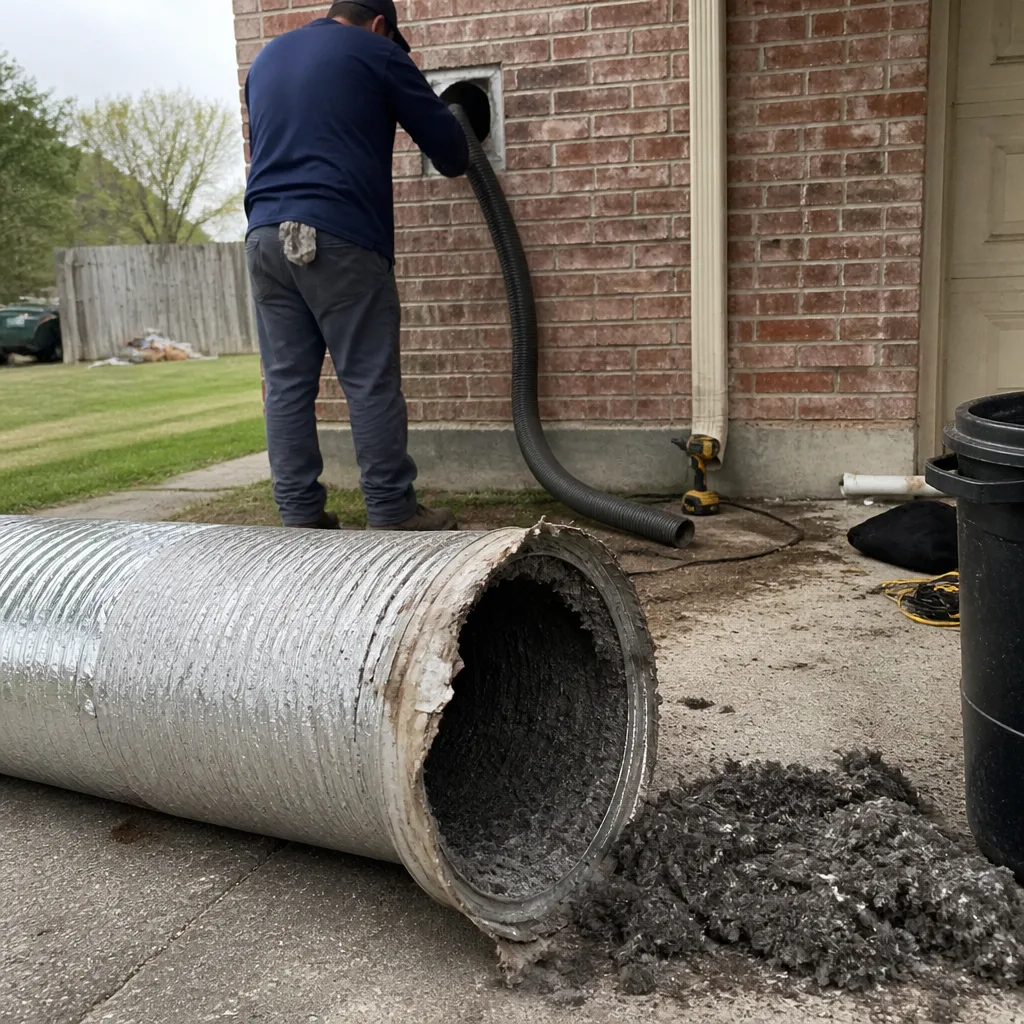 Before
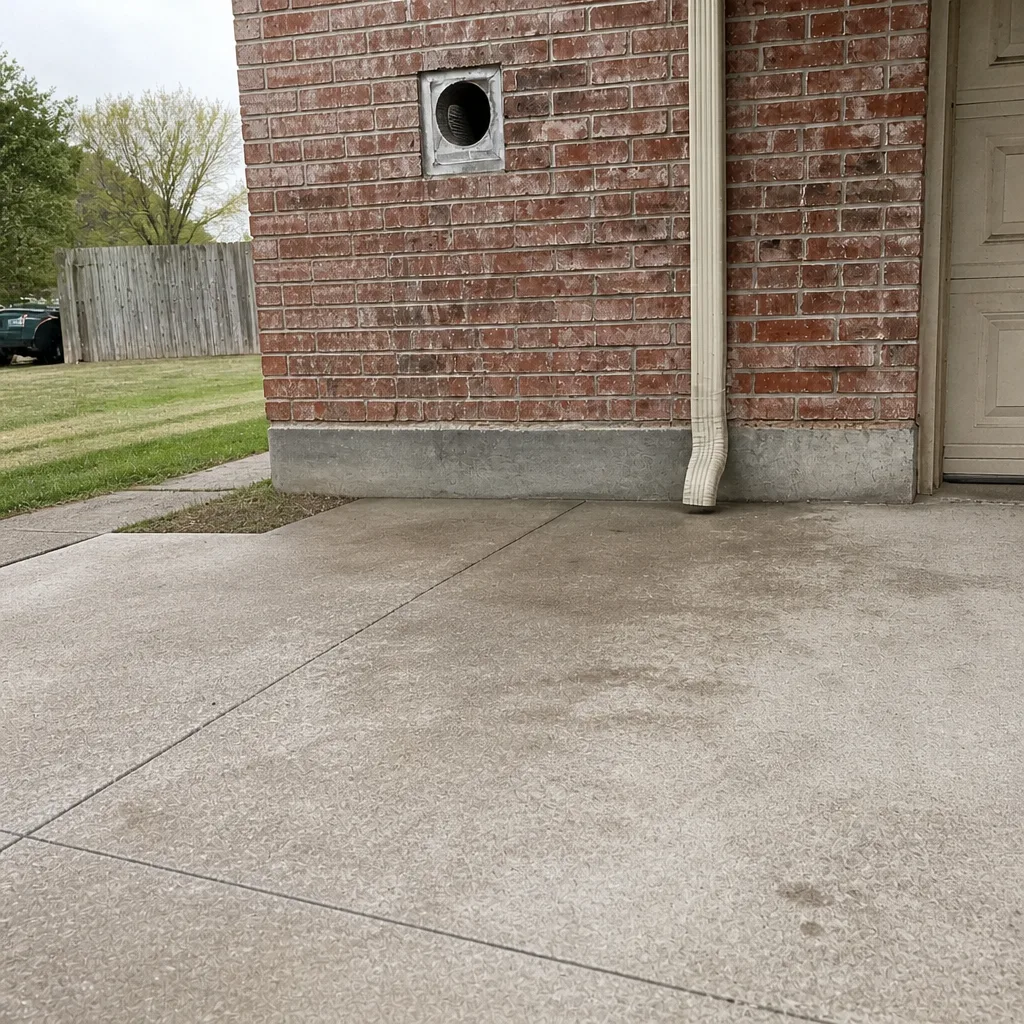 After