
Last updated November 14, 2026
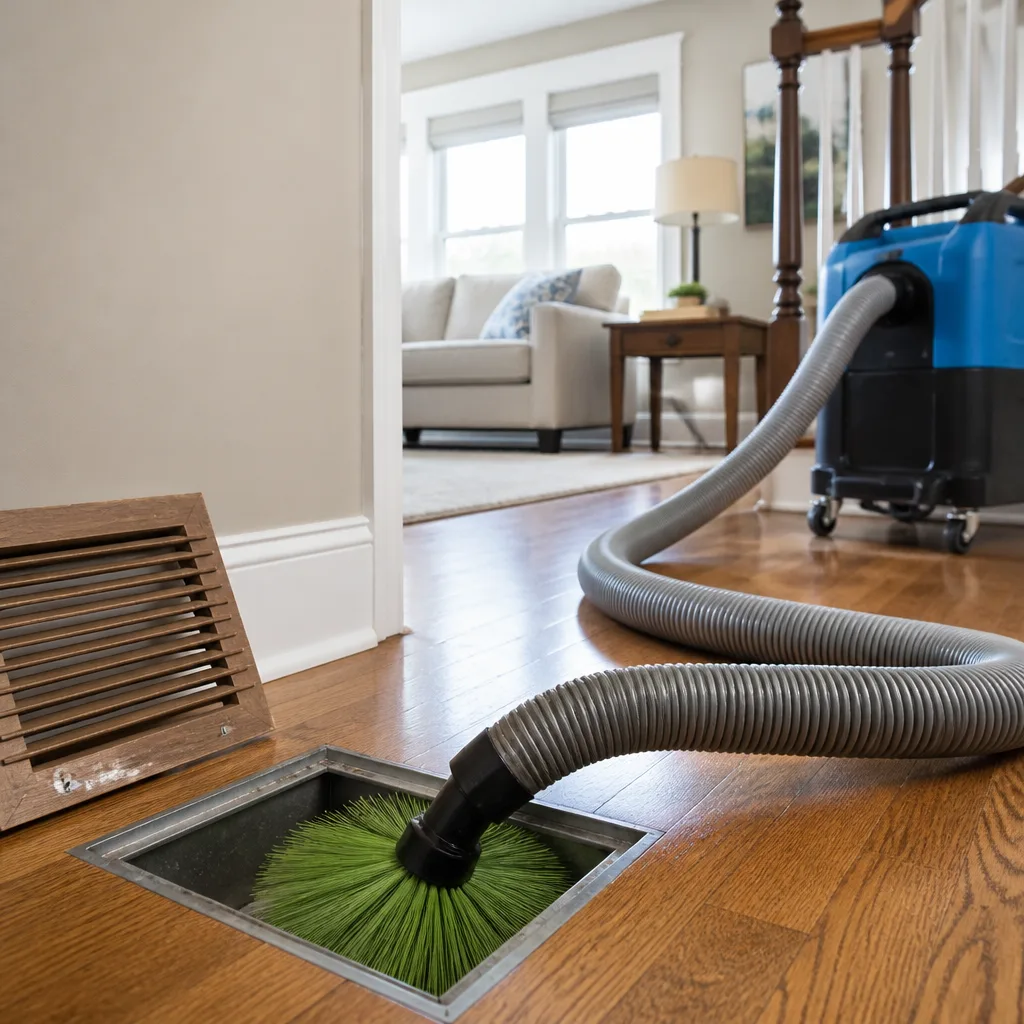 Whole-home duct cleaning
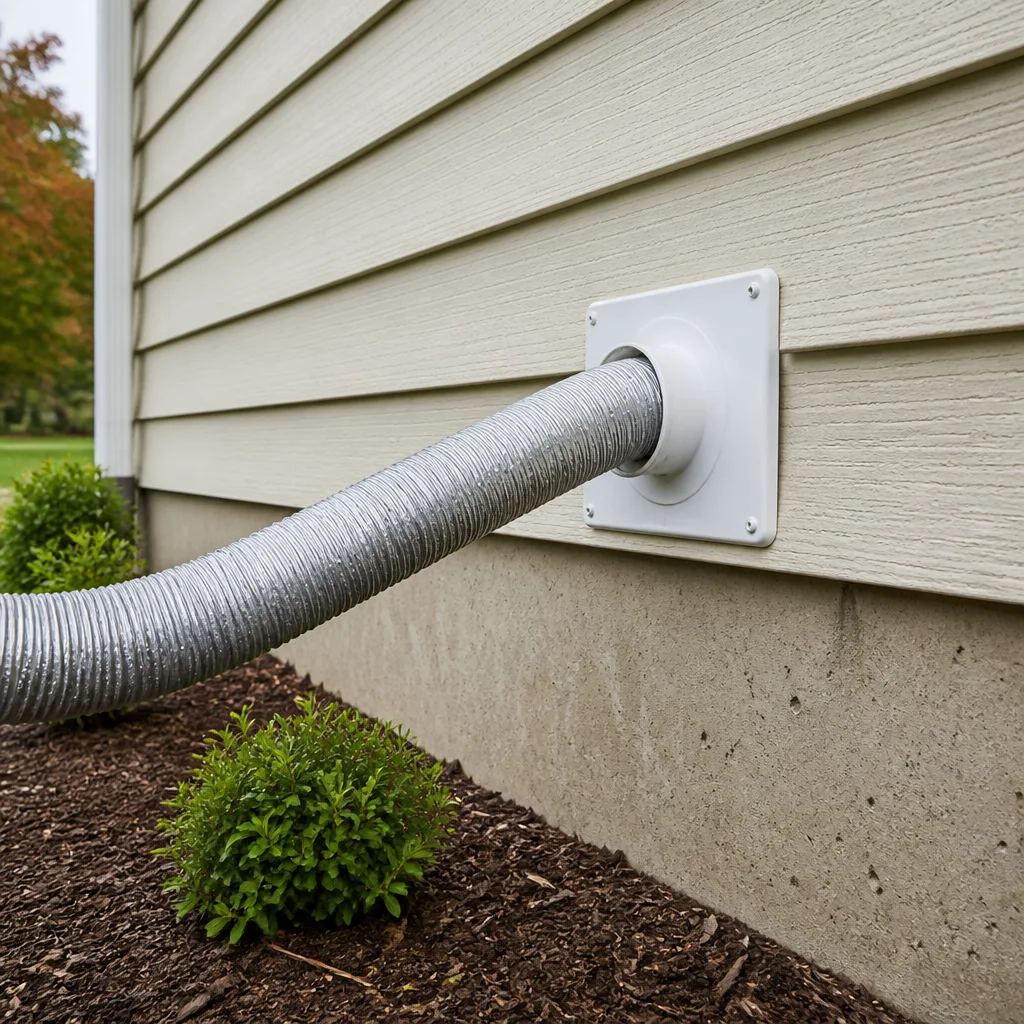 Dryer vent cleaning
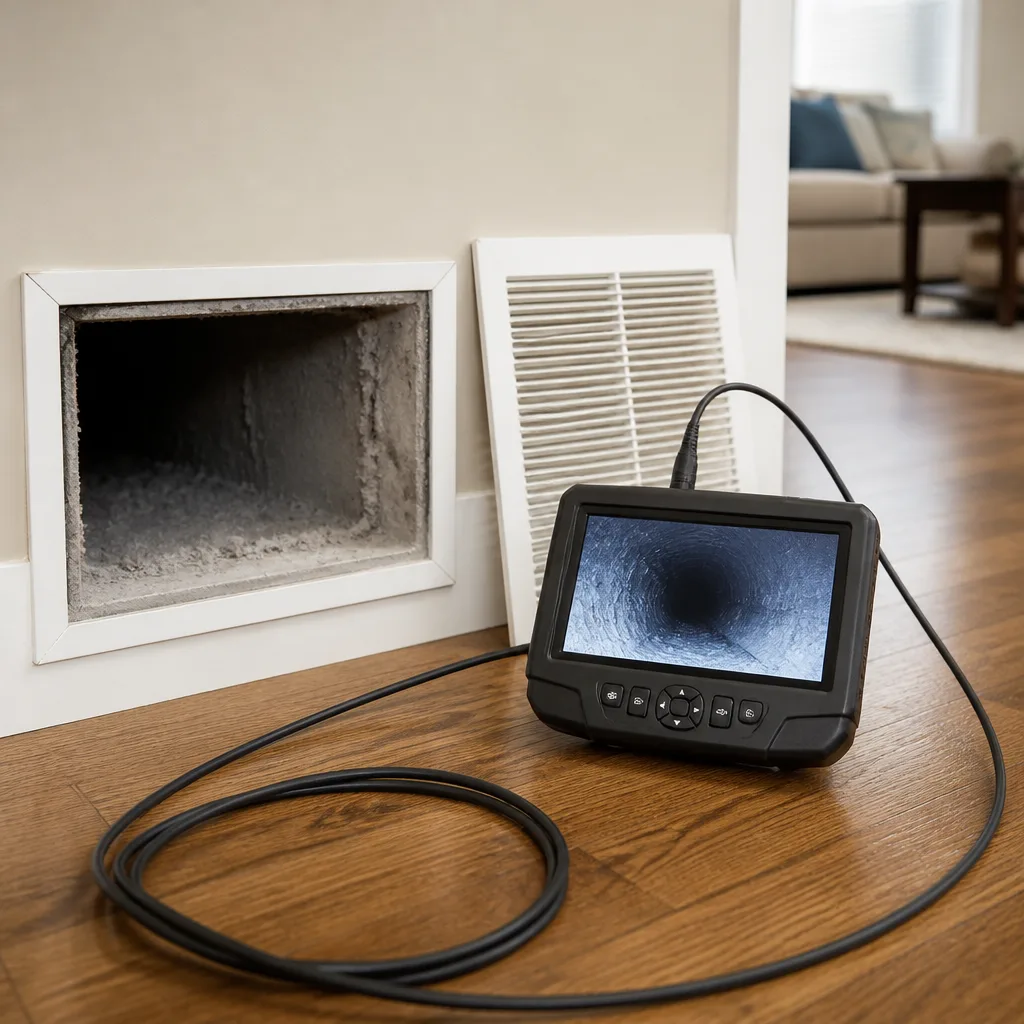 Camera inspection
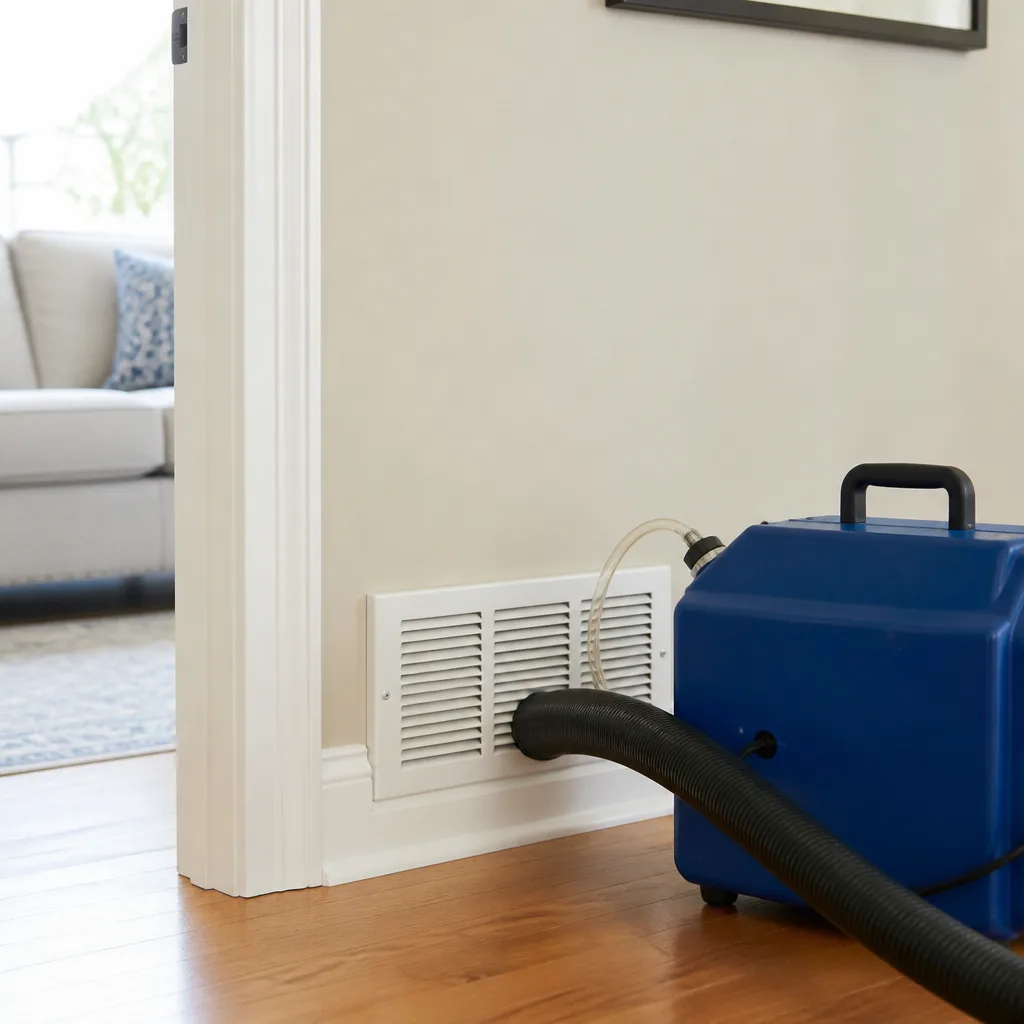 Sanitizing & deodorizing
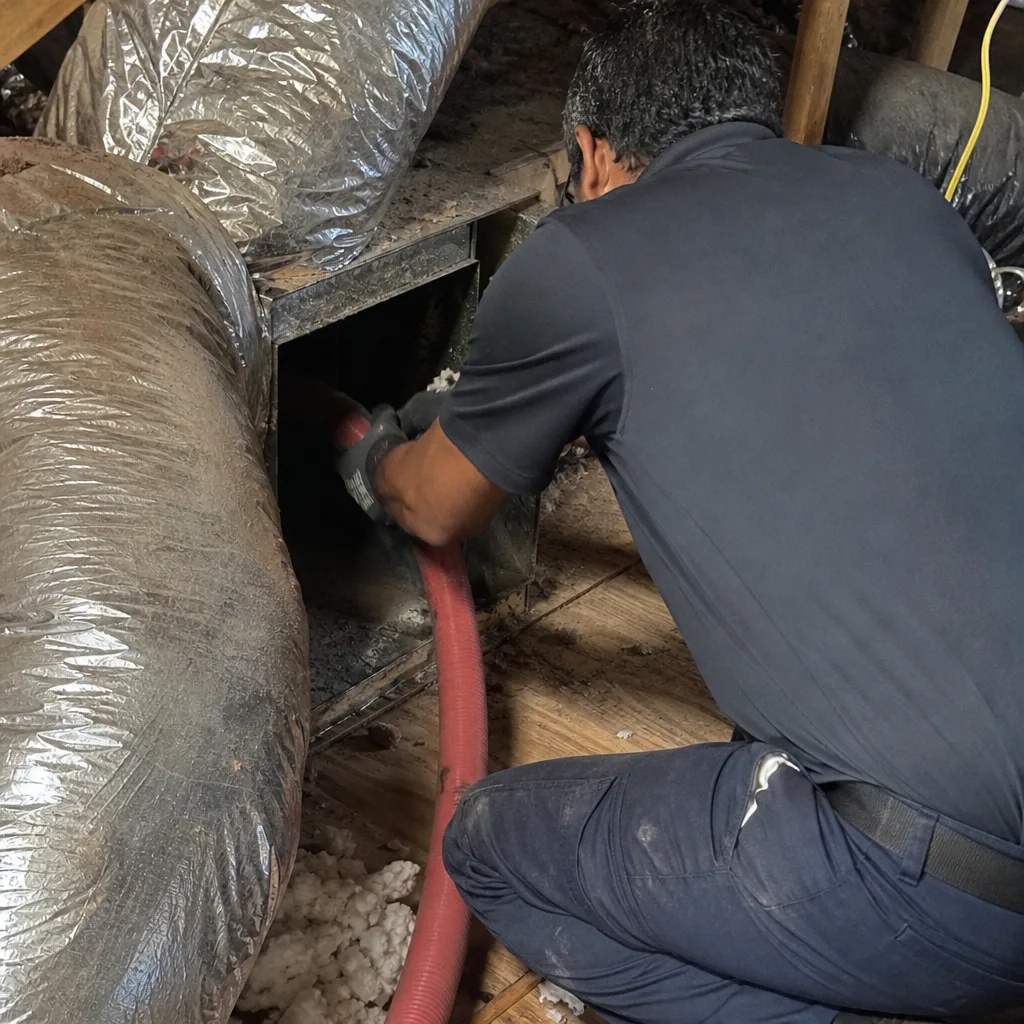
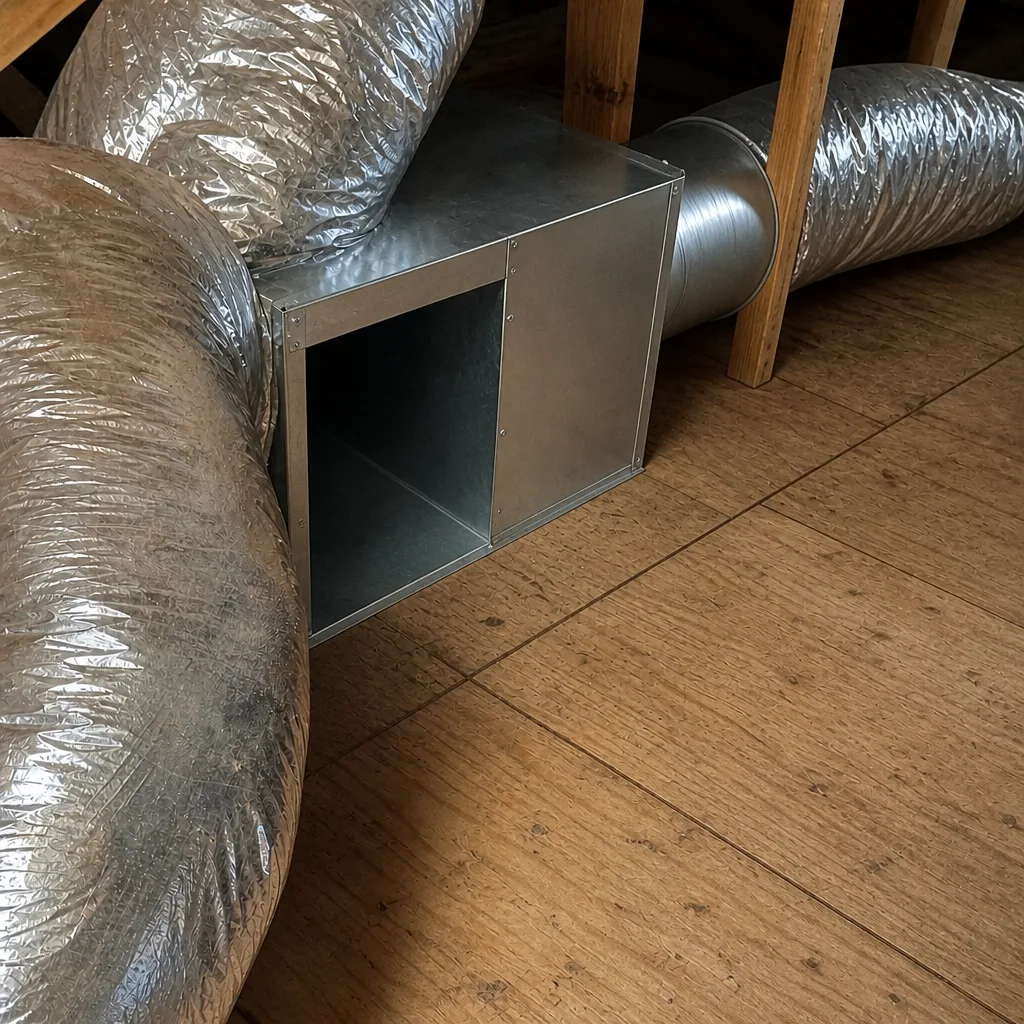
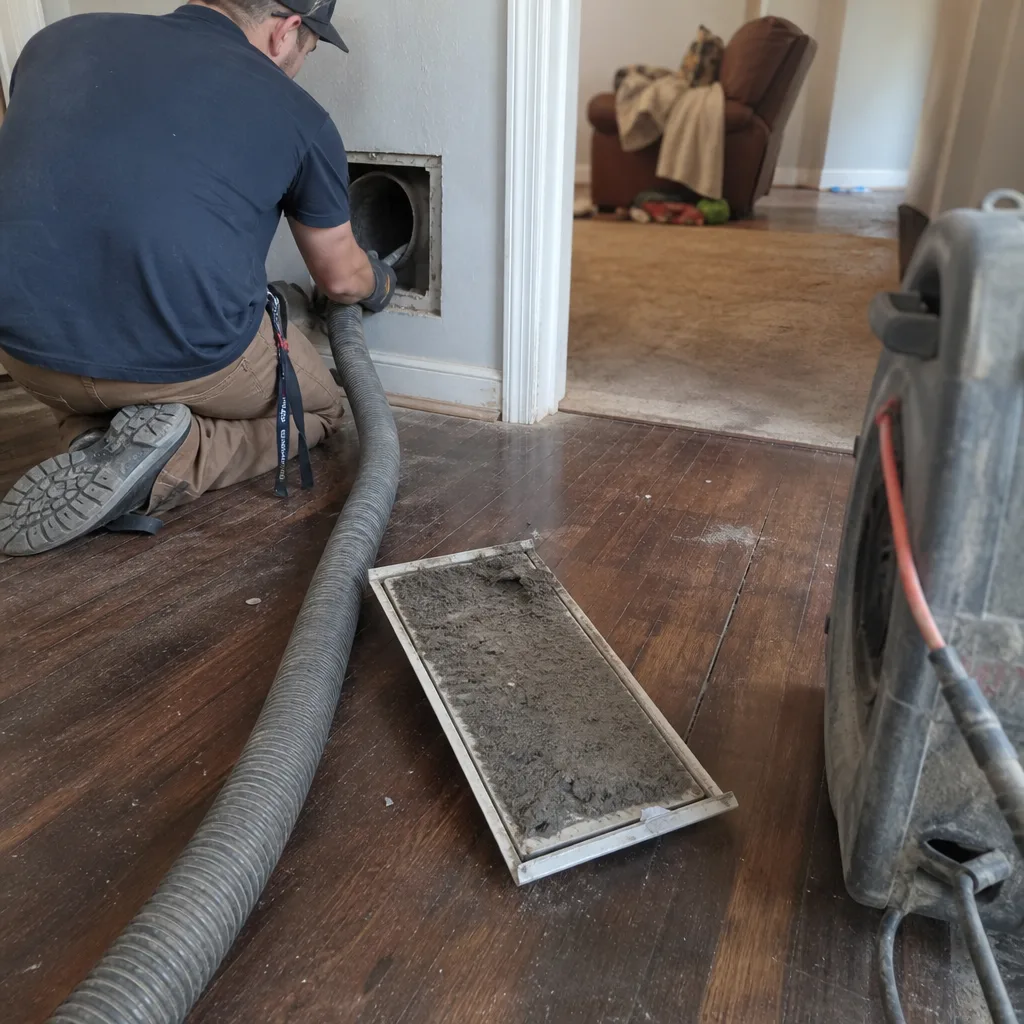
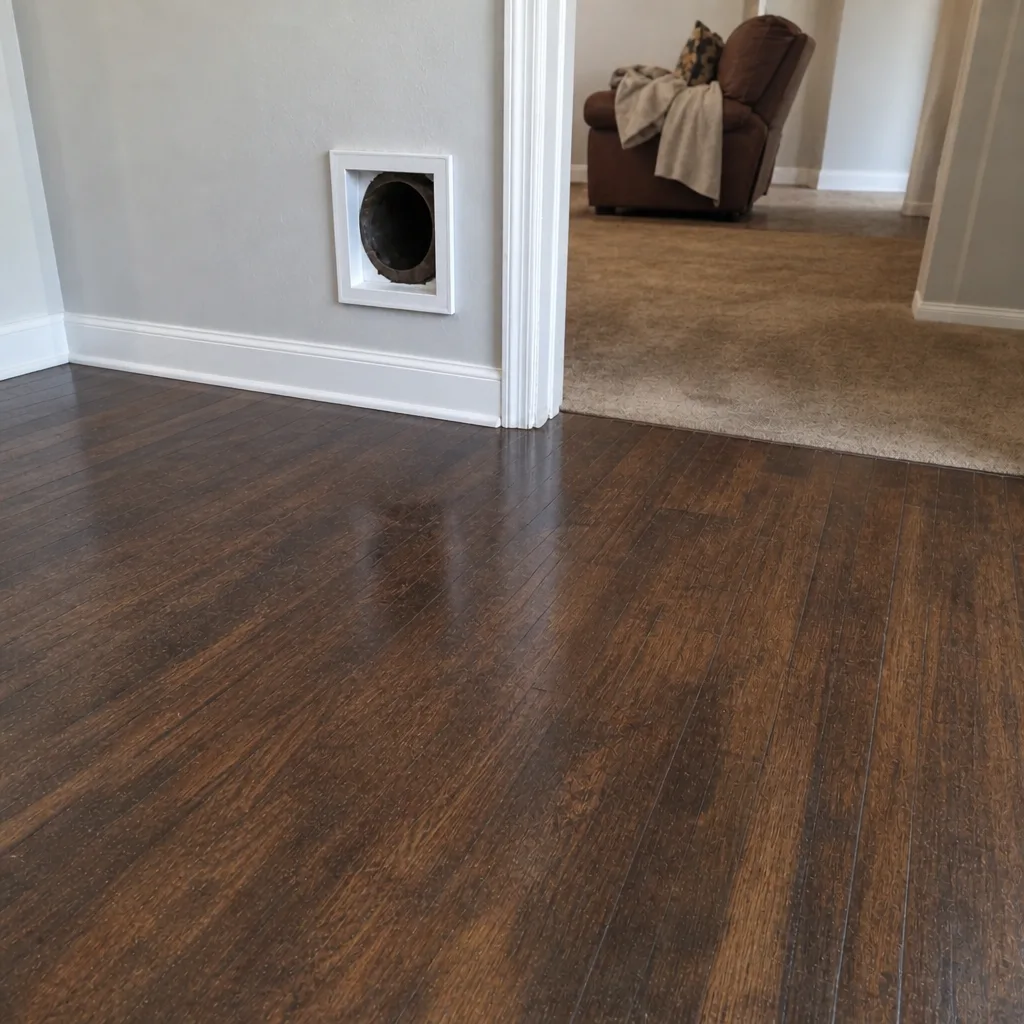
Whole-system duct and dryer vent check with before-and-after photos - you see exactly what came out of your vents
That "$99 whole-house special" is a bait ad - the real number appears once they are in your hallway, or the "clean" is a shop-vac at the register. We photograph the inside of your ducts before and after instead.
Seasonal Air Duct Cleaning Care for Killeen: Year-Round Homeowner’s Guide
Most homeowners in Killeen treat duct cleaning as a once-a-year chore they get to eventually, usually when the house smells off or the electric bill jumps. That approach misses the real problem. This part of Central Texas puts your ductwork through four separate stress periods a year, and each one leaves something different behind: pollen grit in spring, humidity-driven condensation in summer, smoke residue in fall, and plain settled dust through the heating months. Cleaning on one fixed date ignores all of it. This guide breaks the Killeen year into its actual phases and shows you when to schedule work, how to prep before each season, and what to do the moment a dust storm or smoke plume clears. What follows is what we’ve learned running commercial-grade equipment through Killeen homes.
Quick Answer
The best time to clean air ducts in Killeen is late spring, right after pollen season peaks but before the summer cooling load locks your system into constant operation. A second, lighter pass before you switch to heating mode in late fall handles the dust and smoke that accumulate through the hottest months. Schedule around system downtime, not convenience: you need a shutdown window for proper access, and August is the worst month to ask for one.
Styles & brands we work with
- Whole-home duct cleaning
- Dryer vent cleaning
- Camera inspection
- Sanitizing & deodorizing
Table of Contents
- The Four Killeen Climate Phases and What Each Does to Your Ducts
- How to Choose the Right Cleaning Window for Your Home
- Prepping Ducts Before Spring Pollen Season
- Summer Humidity Swings and Condensation Inside Ducts
- Fall Wildfire Smoke Events and What They Leave Behind
- Winter Dust Stagnation and the Switch to Heating Mode
- What to Do Immediately After a Dust Storm or Smoke Event
- Why Equipment Choice Changes the Result
The Four Killeen Climate Phases and What Each Does to Your Ducts
Killeen sits in a climate that doesn’t ease your HVAC system into anything. Spring arrives with a heavy pollen load from the live oaks and grasses across Bell County. Summer brings weeks of sustained heat that keep your system running at near-constant capacity. Fall is when regional wildfire smoke can drift in and linger for days. Winter is mild compared with most of the country, but the heating season is long enough for dust to settle and stay put. Four phases, four different kinds of contamination.
Here’s what each one actually deposits:
- Spring: Fine pollen and plant debris pulled in through the return, plus the grit that rides along with it. This material sticks to the moist interior of duct walls and builds up fastest right when allergy complaints climb.
- Summer: Humidity-driven condensation and the light biological growth that follows it when duct surfaces stay damp. Peak load also means the blower is moving more air, so any restriction in the ductwork costs you more.
- Fall: Smoke particulate and ash that slip past a standard filter during a regional fire event. It settles on duct surfaces and gets redistributed every time the system cycles.
- Winter: Settled household dust, pet hair, and lint that accumulate quietly because the system runs less and the windows stay closed.
Treating this as one generic “hot season” is why so many homeowners clean at the wrong time and wonder why it didn’t help. If you want to understand the full scope of what a proper cleaning covers, our air duct cleaning page lays out the whole process from containment to final verification.
How to Choose the Right Cleaning Window for Your Home
The right cleaning window depends on two things: how long you can tolerate the system being offline, and when a qualified technician can actually get to you. Those two constraints pull in opposite directions through most of the year, which is exactly why August cleaning is such a poor choice. Your system is running at peak load, you need a shutdown window for proper access, and every crew in the area is booked out weeks ahead.
Use this decision order:
- Identify your tolerance for downtime. Most homes handle a partial-day shutdown without discomfort in spring and fall. In the middle of summer, even a short window feels long.
- Map the two best windows. Late spring, after pollen peaks, and early fall, before the heater takes over, are the two periods where downtime is manageable and the system isn’t fighting you.
- Book ahead of the window, not inside it. Call before spring arrives, not after the first 95-degree week. Professional crews fill their calendars as soon as the season turns.
- Pair the cleaning with an inspection. If the system is already offline, that’s the moment to check for disconnected runs and leaks. Duct Cleaning Killeen handles both cleaning and repair in the same visit, so you’re not scheduling a second crew.
- Reassess after any major event. A dust storm or a smoke plume resets the clock regardless of where you sit in the calendar.
If your home has been through several Killeen summers without a cleaning, or if you’ve noticed weaker airflow from certain vents, the calendar question is secondary to diagnosis. Get the system looked at first, then slot the cleaning.
Prepping Ducts Before Spring Pollen Season
Late winter is the most underrated window for duct work in Killeen. Pollen hasn’t started yet, the system isn’t under load, and you can get the ducts into clean condition before the season deposits anything new. Doing this prep in February or early March is what separates a home that coasts through allergy season from one that doesn’t.
What prep actually involves:
- Replace the filter before pollen starts, not after. A clogged filter lets fine particles bypass it and travel deeper into the system. Start the season with a fresh one.
- Check the return grilles. Lint and dust build up on the intake side faster than most people expect, and a blocked return starves the whole system.
- Schedule the cleaning before the surge. Once pollen peaks, you’re trying to remove material that’s still actively entering the house. Clean before it arrives and you’re ahead.
- Consider a filtration upgrade. We carry Honeywell and Aprilaire filtration products, and a properly matched filter captures far more fine pollen than a basic panel. Adding one at the point of service means you don’t make a separate appointment later.
The point isn’t to make your home sterile. It’s to keep the pollen load that enters the system from becoming the pollen load that gets recirculated through every room. Prep before the surge, and the whole season runs easier.
Summer Humidity Swings and Condensation Inside Ducts
This is the phase most homeowners miss, and it’s the one specific to Killeen’s climate. When warm, humid outside air meets cold air-conditioned duct surfaces, moisture condenses. During a Central Texas summer, that cycle repeats every time the system cycles on and off, and it can leave duct interiors damp.
Damp duct surfaces aren’t just an inconvenience. They create the conditions for biological growth, and they make whatever dust or debris is sitting on the surface stick and stay. That’s how a duct that was fine in May becomes a problem by late July.
What you can control:
- Keep the filter clean through peak season. Restricted airflow makes the blower work harder and changes how the system handles moisture.
- Watch for musty smells when the system starts. A smell that appears right at startup, and fades, is often the first sign of damp duct interiors.
- Check the condensate handling on your air handler. If water isn’t draining properly, it can find its way into places it doesn’t belong. This is routine maintenance territory, and worth a look.
- Ask about duct sealing and repair. Leaky or disconnected joints let humid outside air into the system. Air duct repair closes those gaps, which reduces the condensation problem at its source. Cleaning alone won’t fix a duct that’s open to the attic.
If your ducts have gone through several summers without inspection, that’s a strong signal you need eyes on them. Peak-load season is exactly the wrong time to discover a disconnected run.
Fall Wildfire Smoke Events and What They Leave Behind
Regional wildfire smoke doesn’t respect property lines. When a fire event pushes smoke into the Killeen area, it stays for days, and it finds its way into every gap in your building envelope, including the return side of your HVAC system. A standard filter catches some of it. The rest settles on duct surfaces as fine particulate and ash.
What smoke leaves behind is different from typical dust. It’s finer, it clings, and it carries an odor that recirculates every time the system runs. It’s also more likely to stay lodged in the ductwork than ordinary household dust because of its size.
What to do when smoke is in the air:
- Run the system less, not more. Every cycle pulls more smoke particulate into the return. If you can keep windows and doors closed and reduce runtime, do it.
- Switch to a higher-efficiency filter during the event, if your system is rated for it. Check that the filter you use matches what the system can handle without restricting airflow.
- Change the filter when the event passes. A filter loaded with smoke particulate is doing nothing useful.
- Get the ducts cleaned after a significant smoke event. The particulate that made it into the ductwork doesn’t come out with a filter change.
Fall is also the second-best window for scheduling your cleaning, precisely because the heating season is about to start. Clean the smoke out before you switch modes, and you’re not heating and distributing it through the house all winter.
Winter Dust Stagnation and the Switch to Heating Mode
Killeen winters are mild, but the season isn’t neutral for your ducts. Windows stay closed longer, the system runs differently, and household dust, pet hair, and lint settle into the ductwork with nothing to move them out. By the time spring arrives, that sediment is sitting there ready to be kicked up.
Before you make the switch to heating mode, do three things:
- Replace the filter. The filter that carried you through summer is loaded with fine dust and smoke particulate. Start the heating season fresh.
- Walk the house and listen. Uneven airflow, whistling at the grilles, or rooms that never seem to heat evenly can point to a duct issue. Winter is a good time to catch it because the problem is easier to notice.
- Schedule a cleaning or a check before the season settles in. If it’s been through a full year including a summer of peak load, a cleaning is a reasonable call. If there are signs of a leak or disconnected run, get that diagnosed and repaired.
The other reason winter matters is stagnation itself. A quiet duct system in a closed house accumulates debris that a running system would otherwise keep moving. What sits becomes the surface that pollen and smoke attach to when the next season arrives.
What to Do Immediately After a Dust Storm or Smoke Event
Central Texas gets dust events, and when one passes through the Killeen area, the visible dust outside is only part of the story. The material that entered your home and your ductwork needs to come out before it becomes part of the regular recirculation.
Work in this order:
- Let the event fully clear. Don’t run the system hard during the event and don’t open windows to “air out” while particulate is still in the air. You’ll just pull more in.
- Change the filter. A filter that captured the load is now full. Replace it.
- Wipe down hard surfaces and vacuum with a HEPA-equipped unit if you have one. Surface dust is easy to remove and worth doing first.
- Have the ducts assessed. Fine dust and smoke particulate settle in the ductwork and don’t come out on their own. This is where professional equipment matters, because a consumer vacuum redistributes more than it captures.
- Ask about filtration upgrades. If events like this are common where you live, a better-matched filtration setup reduces what gets into the system next time.
If the event was significant, or if it arrived on top of a season’s worth of accumulation, a full cleaning is the reasonable call. A visual inspection first tells you how much is actually there.
Why Equipment Choice Changes the Result
Seasonal duct contamination in Killeen isn’t light debris. Pollen grit, smoke particulate, and the dust that accumulates over a full year need real containment and real suction to remove properly. This is where the difference between a generalist with a shop vac and a specialist with commercial machinery becomes visible on the job.
What we bring to a seasonal cleaning:
- Rotobrush and Nikro professional systems. These are commercial-grade rotary brush and HEPA vacuum setups, the same class of equipment used in industrial duct cleaning. They agitate and capture rather than just suck air.
- Abatement Technologies containment and negative-air equipment. This is the part most homeowners never see, and it matters. Negative air keeps contaminants captured during cleaning instead of redistributing them through the house. You can see the difference in what we bring to the job.
- Honeywell and Aprilaire filtration products. Carried on the job, so a seasonal cleaning can include a filtration upgrade without a second appointment.
- Repair capability. If we find a disconnected or leaking run while we’re there, we can fix it. Cleaning a duct system that’s leaking conditioned air into the attic is a partial job.
We clean it, we can fix it. That combination is what makes a seasonal cleaning plan actually work in a Killeen home, because the leaks and the dirt are usually part of the same problem.
Common Mistakes to Avoid
- Scheduling in August. Peak load means the worst possible shutdown window and the longest wait for a crew. Book late spring or early fall instead, and you get better access and better timing.
- Treating cleaning as a yearly checkbox. Killeen’s four phases deposit four different things. A single annual cleaning on an arbitrary date misses the smoke and the condensation both.
- Skipping the filter change at the start of a season. Cleaning ducts and then running them through a loaded filter just restarts the problem. The filter is part of the plan.
- Cleaning before addressing a leak. If a duct is disconnected or open to the attic, cleaning it accomplishes little. The leak pulls debris and humid air back in immediately.
- Waiting for a smell before acting. Musty smells in summer and smoke odor in fall are late signals. By the time you notice, the material is already settled.
- Assuming a low quote covers the same work. Equipment and containment are where the cost difference lives. A setup without negative air doesn’t remove the same amount, and you’ll be the one breathing the difference.
- Ignoring dryer vents during a seasonal check. A dryer vent cleaning is a separate system and a genuine safety matter. Folding it into a seasonal inspection is easy and worth doing. Learn more on our dryer vent cleaning page.
See the difference
 Before
 After
 Before
 After
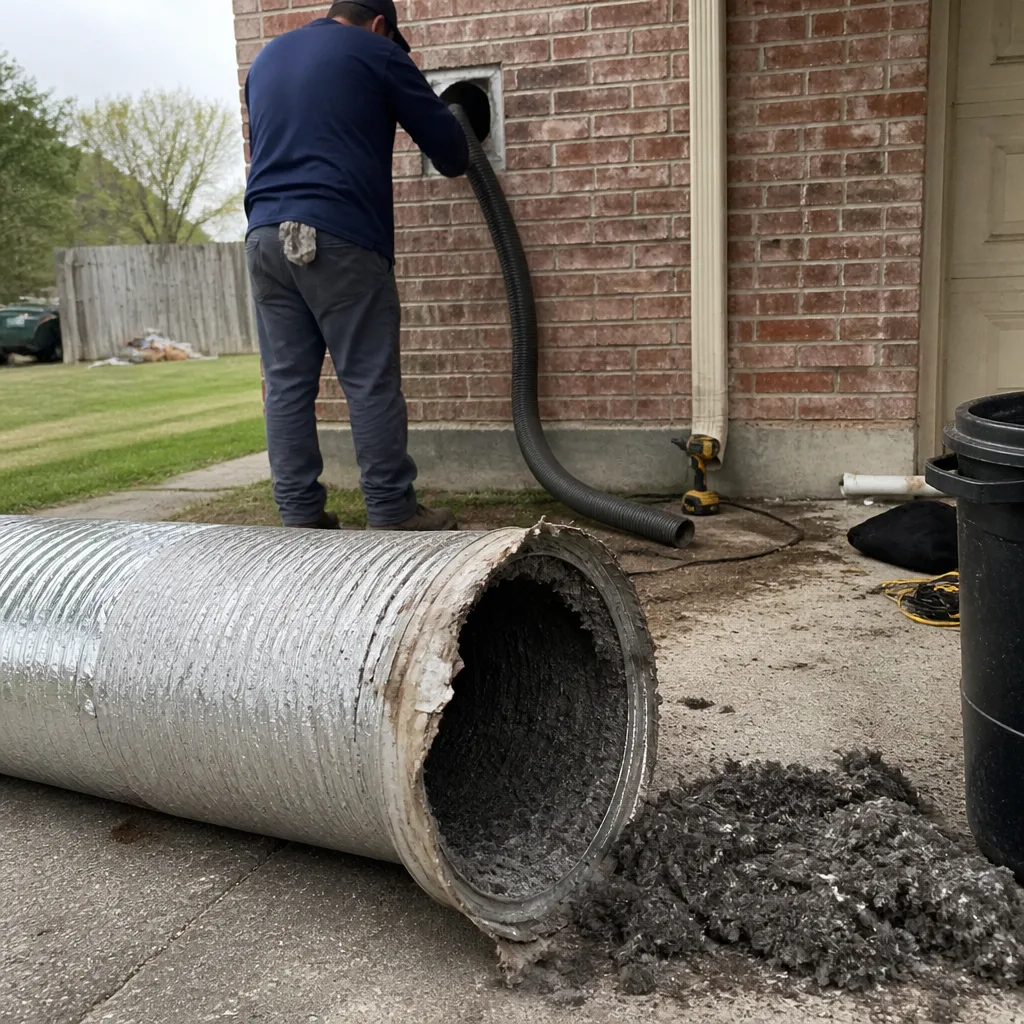 Before
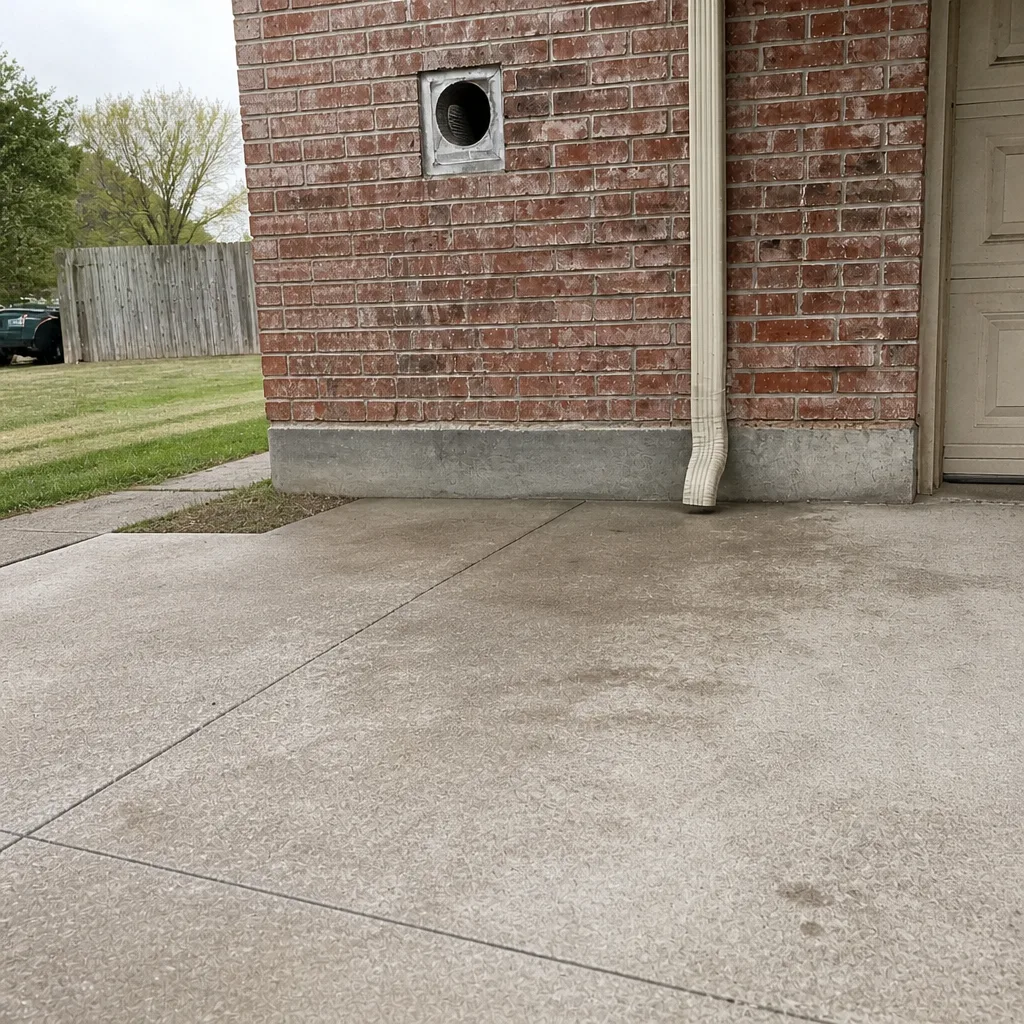 After
When to Call a Professional
Some seasonal work a homeowner can handle directly: changing filters, checking return grilles, wiping surfaces. Other situations call for a specialist with real equipment. Call us when the ducts haven’t been cleaned in a year or more, when a smoke or dust event has passed through and left visible particulate behind, when you notice musty smells at system startup, or when airflow is uneven across rooms. Call us when the system has been through a summer of peak load without a filter change, when a seasonal cleaning reveals a leak or a disconnected run, or when a filtration upgrade needs to be matched to your system correctly. Duct Cleaning Killeen offers free estimates in Killeen – call (833) 754-6799. We answer 24/7. Fast dispatch from 7am to 7pm, Sunday through Friday. Our technicians have up to 12 years of experience working with this equipment.
Frequently Asked Questions
Late spring, right after pollen peaks and before the summer load sets in, is the best single window. A second lighter cleaning in early fall handles smoke and summer accumulation before the heating season starts. August is the worst month to schedule, because the system is running at peak load and crews are booked out.
For most Killeen homes, once a year with a lighter inspection mid-year is a reasonable baseline. Homes with pets, allergy-sensitive occupants, or a history of smoke and dust events may need cleaning more often. If you’ve been through a significant wildfire smoke event, that resets the clock regardless of the calendar.
Humidity itself doesn’t damage ducts, but the condensation it causes inside air-conditioned duct surfaces creates the conditions for biological growth and makes dust stick. That’s the actual risk. Keeping the filter clean and sealing leaks reduces how much moisture enters the system in the first place.
Change the filter, wipe down surfaces, and have the ducts assessed. Fine dust that made it into the ductwork doesn’t come out with a filter change, and consumer vacuums tend to redistribute more than they capture. Professional cleaning with containment and negative air equipment is what removes it properly.
A filter change is the minimum, and it’s worth doing. Beyond that, if the ducts have been through a full summer without cleaning, or if you’ve noticed airflow problems, a cleaning or inspection before the heating season is a reasonable call. It’s easier to address issues in early fall than in the middle of winter.
Pricing depends on the size of the system, the number of runs, the level of contamination, and whether repair work is needed. Call (833) 754-6799 for an exact quote – estimates are free. We set the price per job in writing before any work starts.
The Bottom Line
Killeen doesn’t give your ducts a single season. It gives them four, and each one deposits something different: pollen in spring, humidity and condensation in summer, smoke particulate in fall, and stagnant dust through the winter. The fix isn’t more frequent cleaning but better timing. Clean before spring pollen arrives, address leaks before summer load, clean out smoke after a fall event, and change the filter before heating mode. Pair each window with a check for leaks and disconnected runs, because dirty ducts and leaking ducts are usually part of the same problem. The Killeen climate is unforgiving to a neglected system. A seasonal plan is what keeps it running clean.
Ready to schedule? Call Duct Cleaning Killeen at (833) 754-6799 for a free estimate. We answer 24/7. Fast dispatch from 7am to 7pm, Sunday through Friday. We clean it, we can fix it, and we bring commercial-grade Rotobrush, Nikro, and Abatement Technologies equipment to every job so the contaminants are captured, not redistributed.
Written by the team at Duct Cleaning Killeen.