
Last updated November 14, 2026
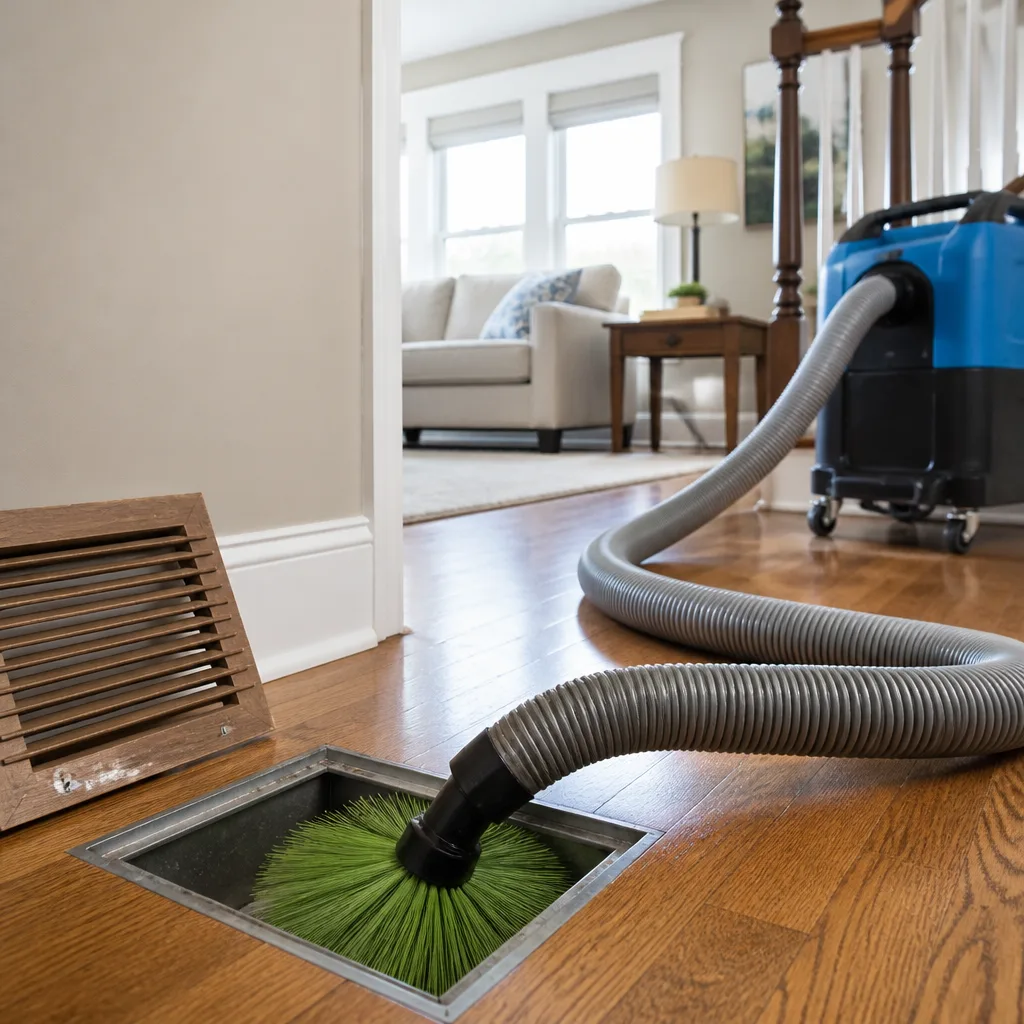 Whole-home duct cleaning
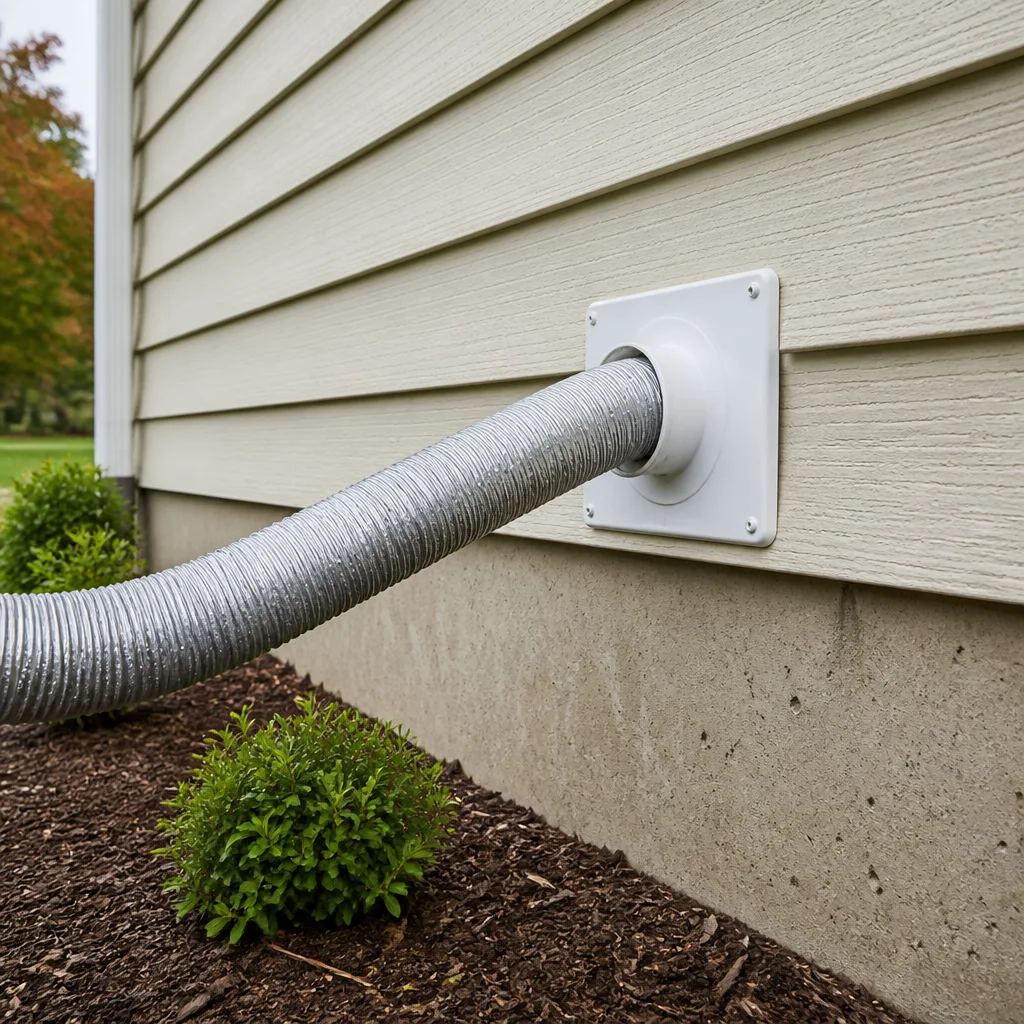 Dryer vent cleaning
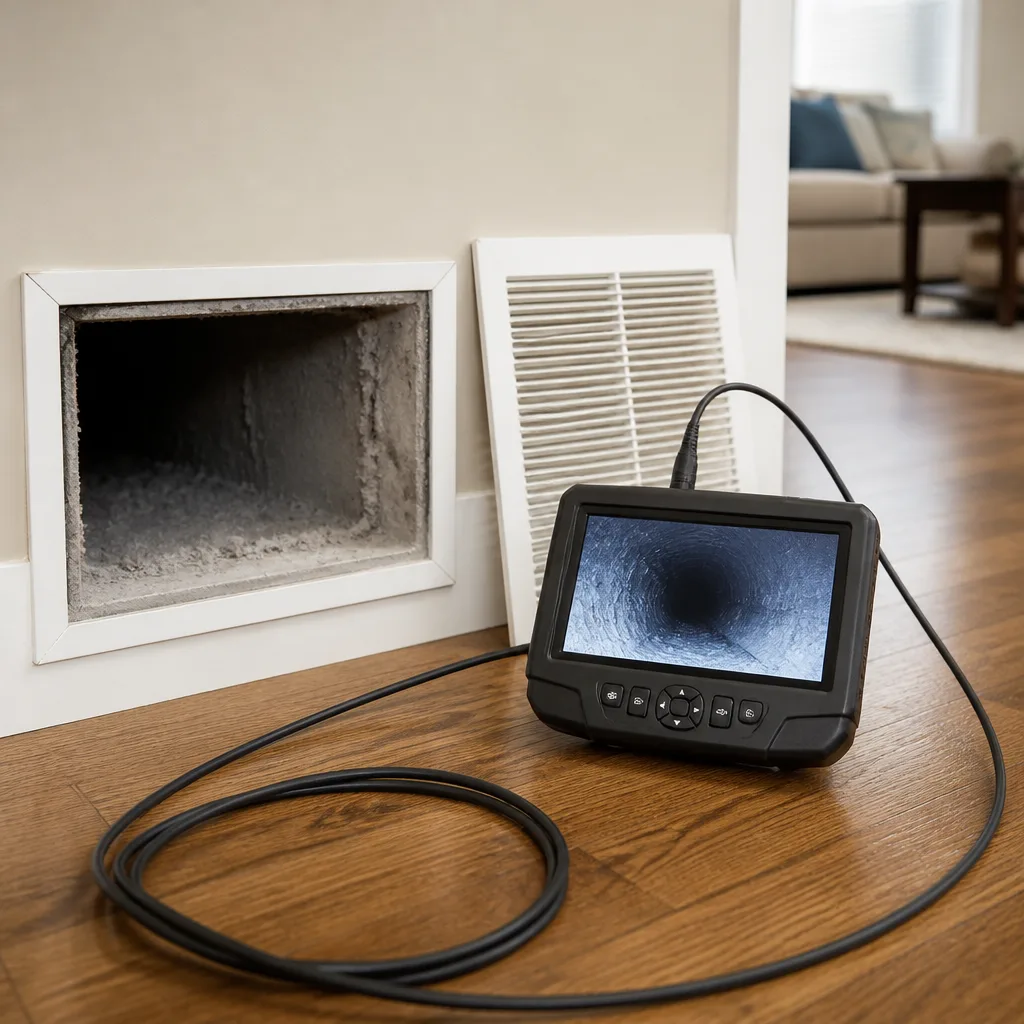 Camera inspection
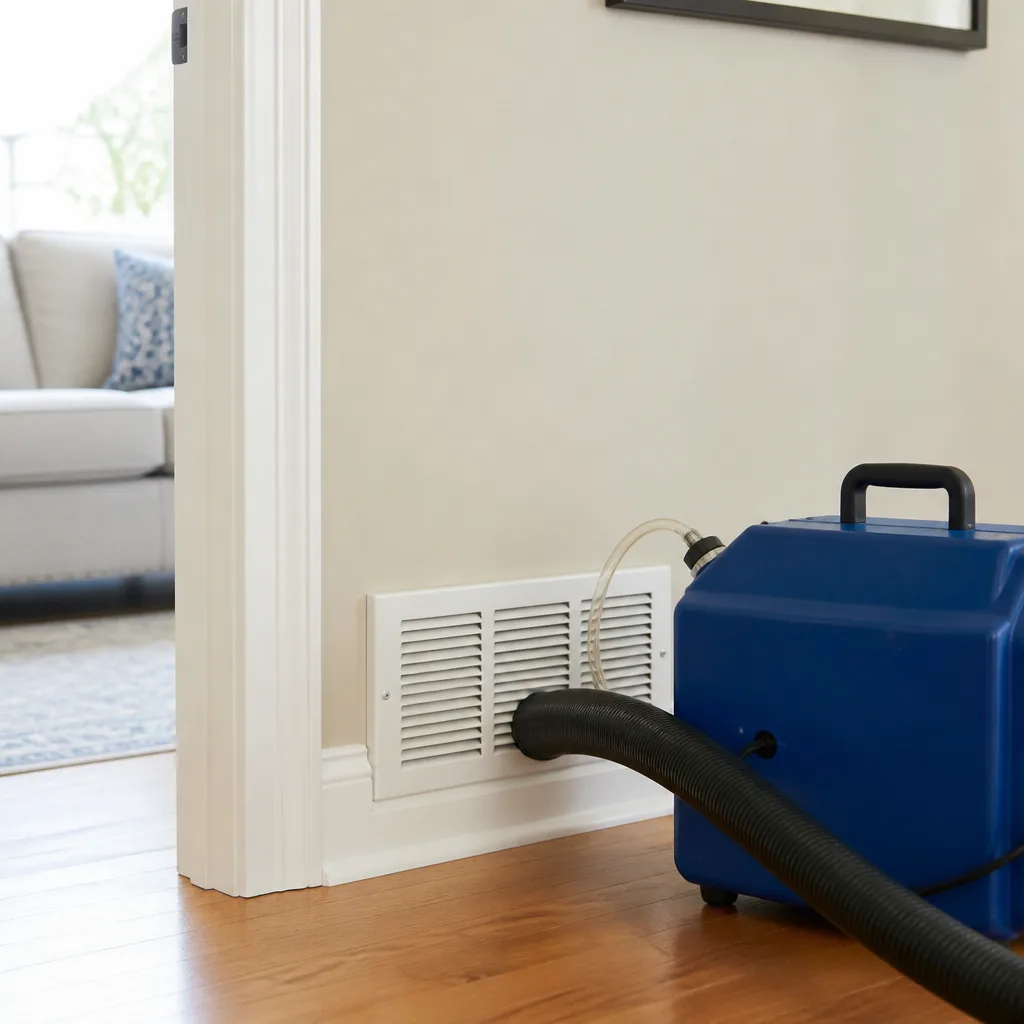 Sanitizing & deodorizing
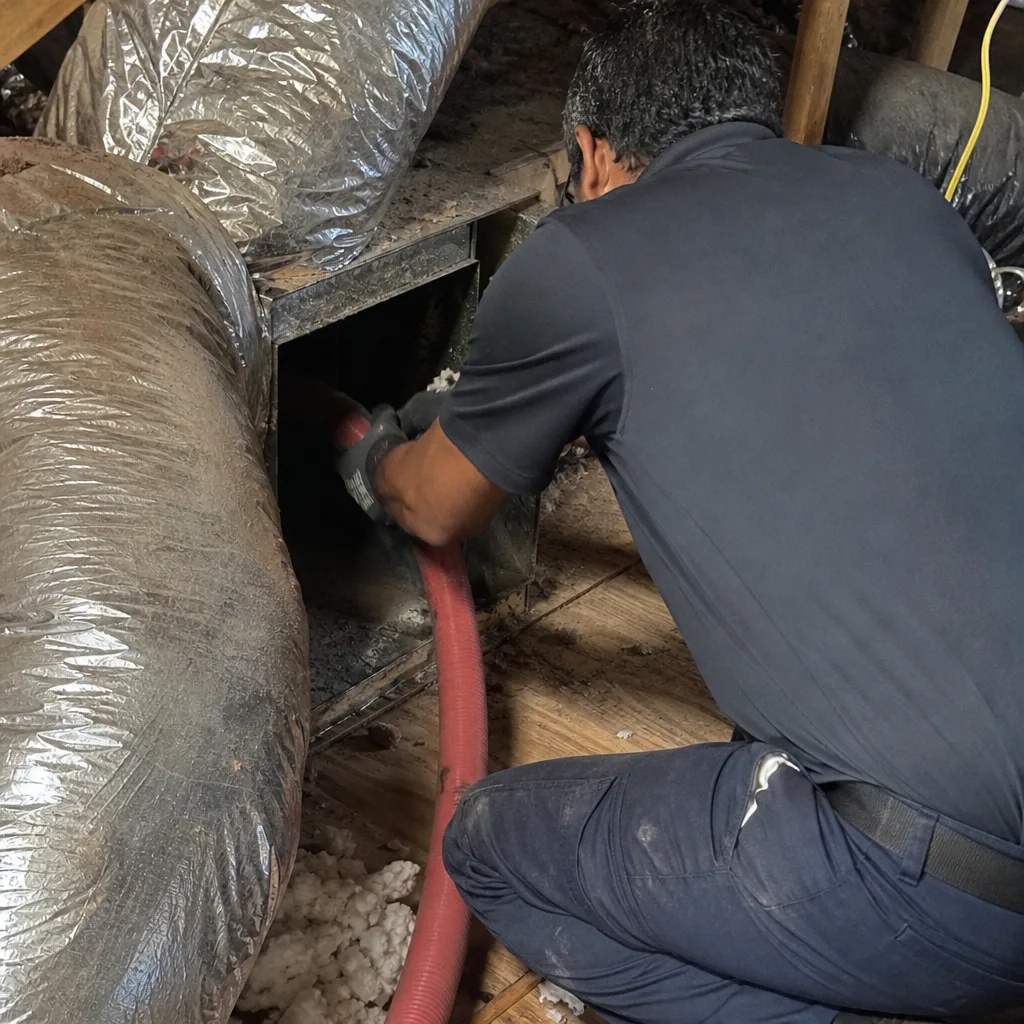
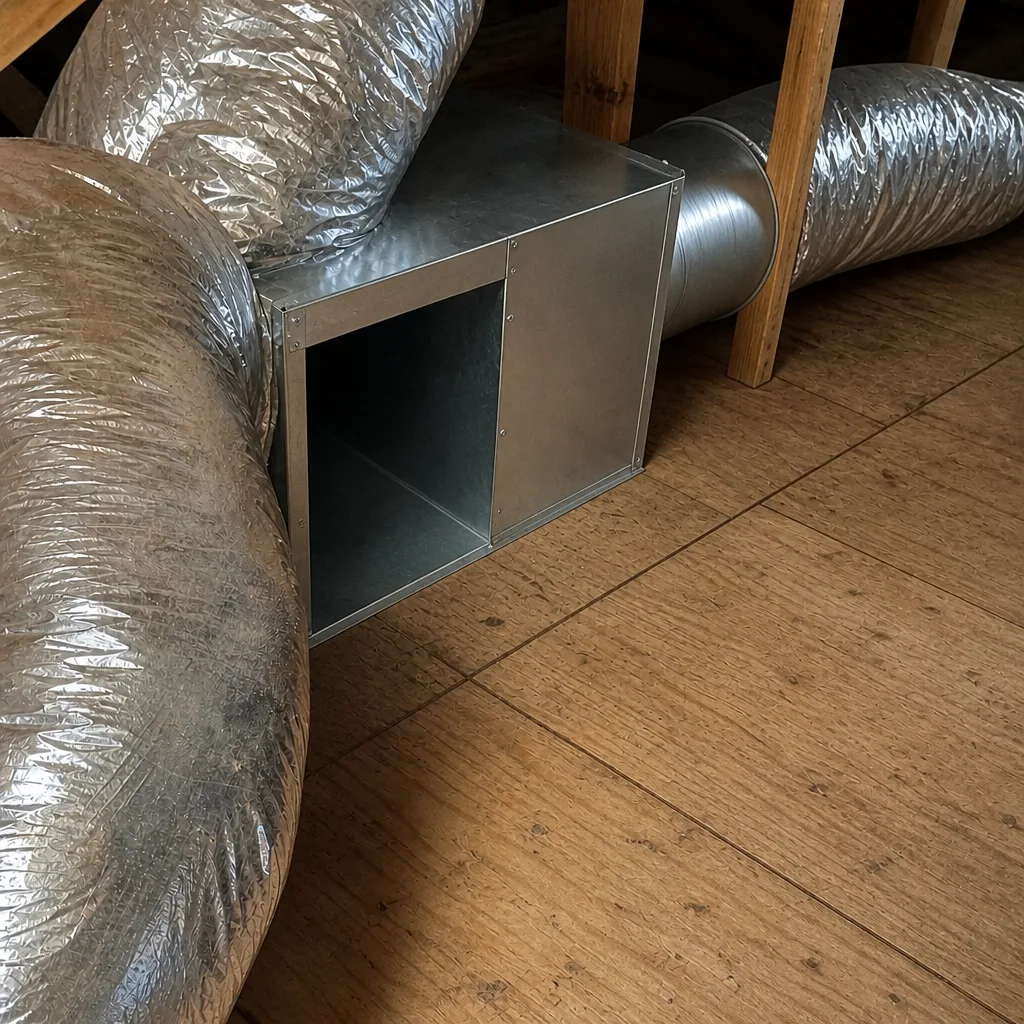
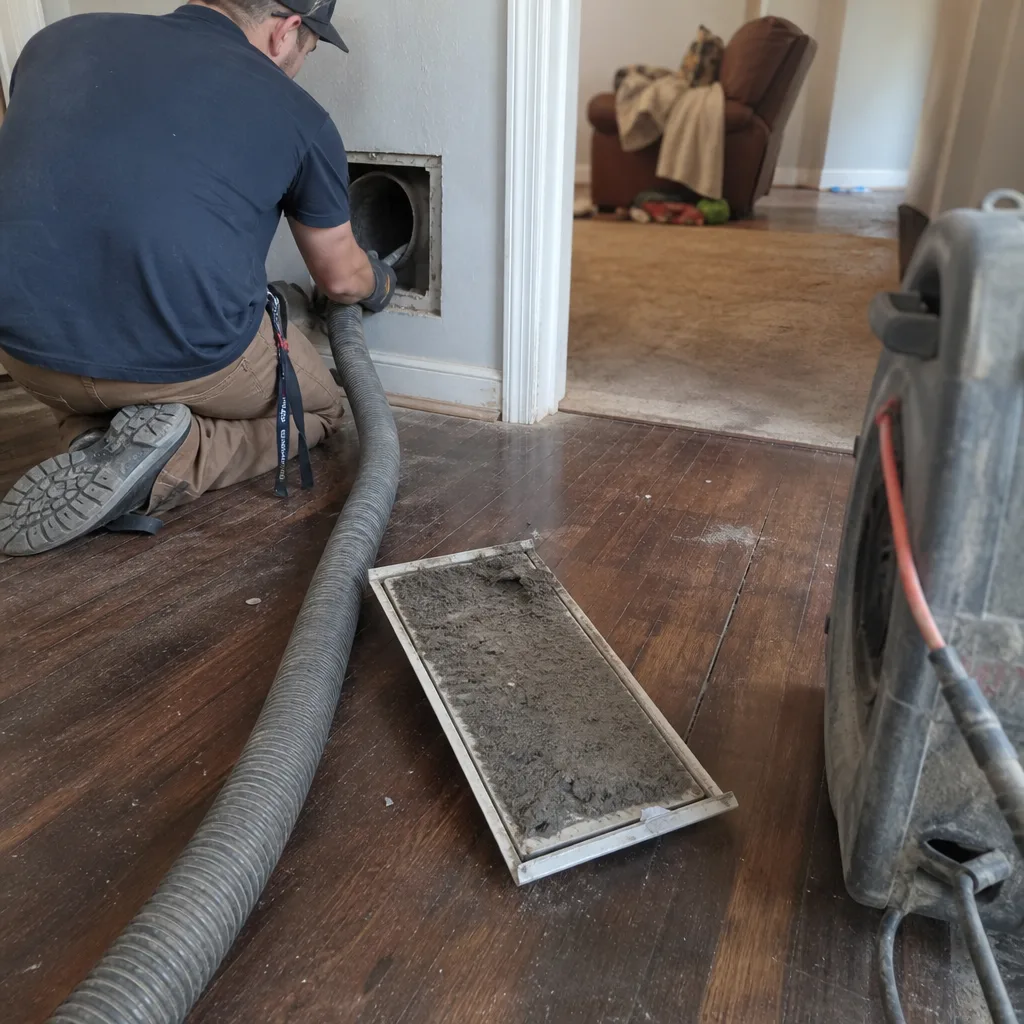
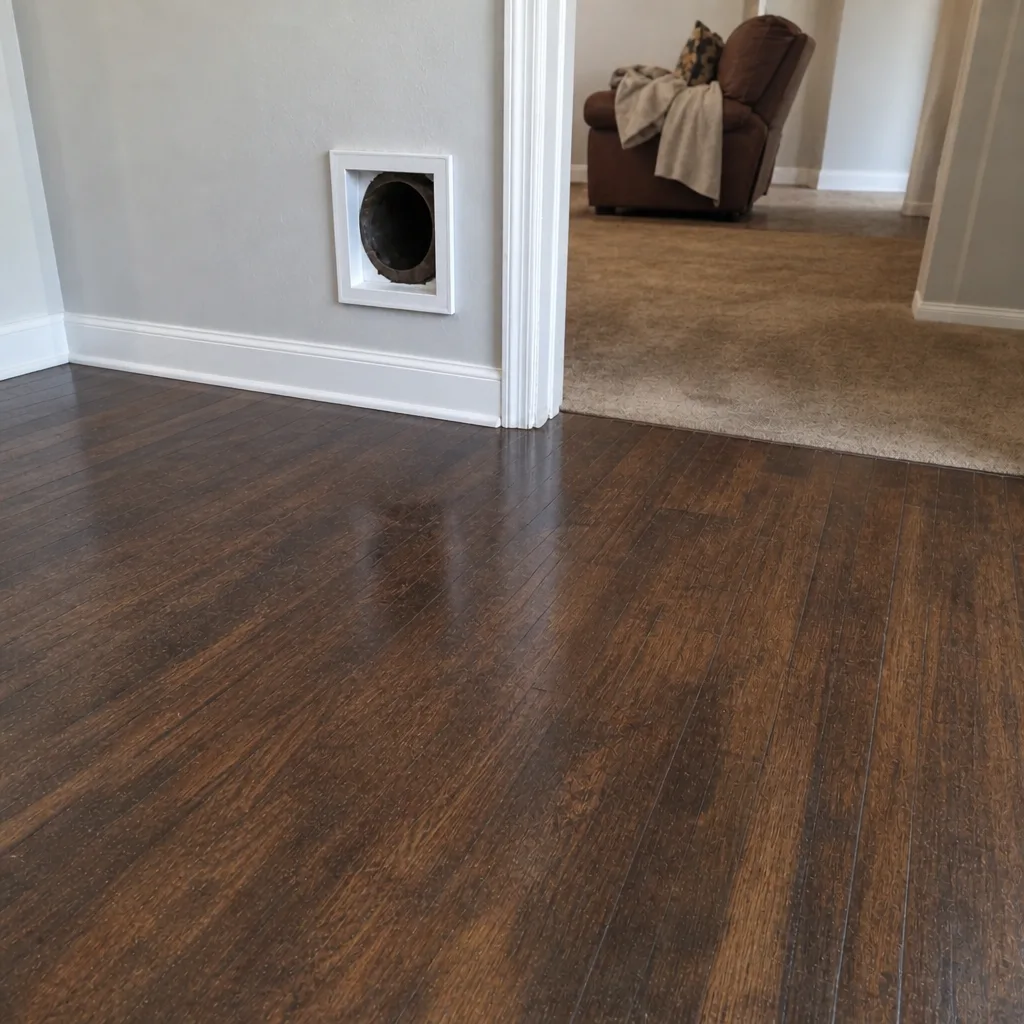
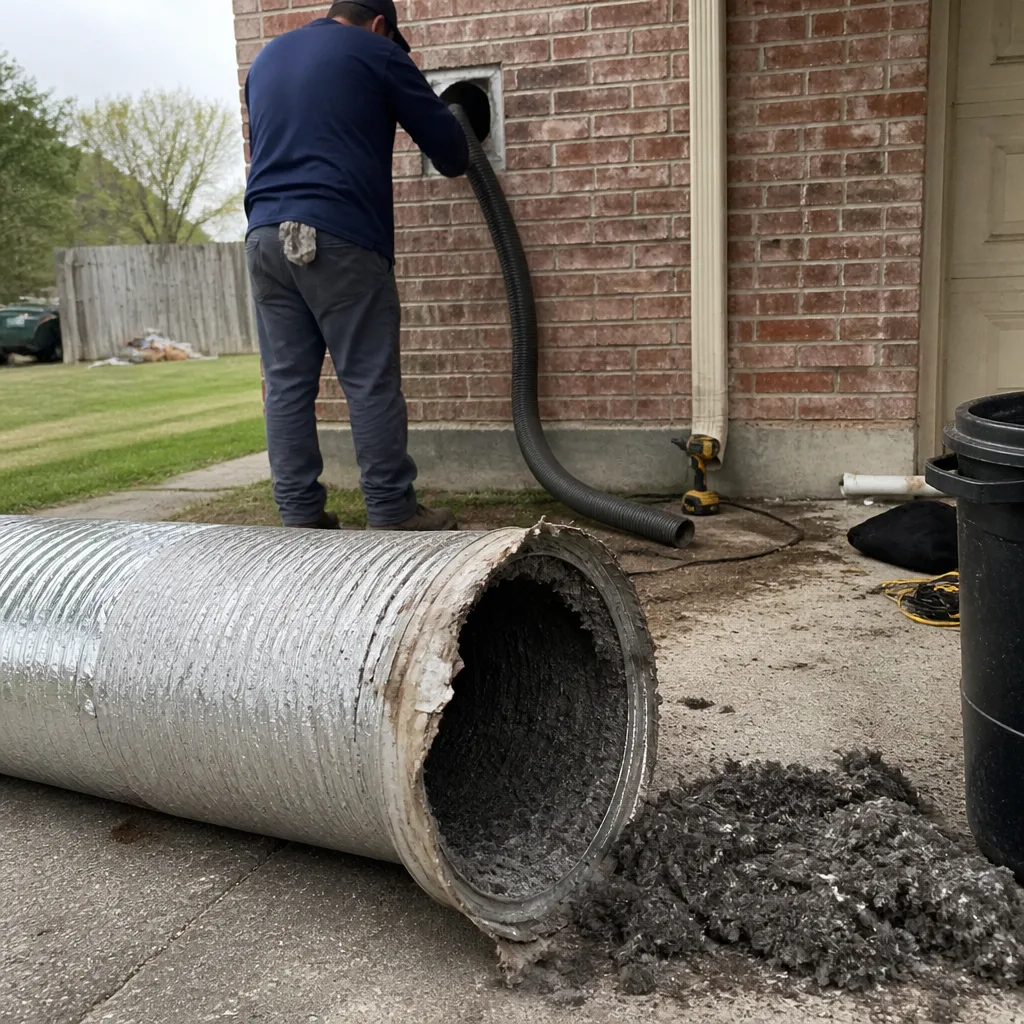
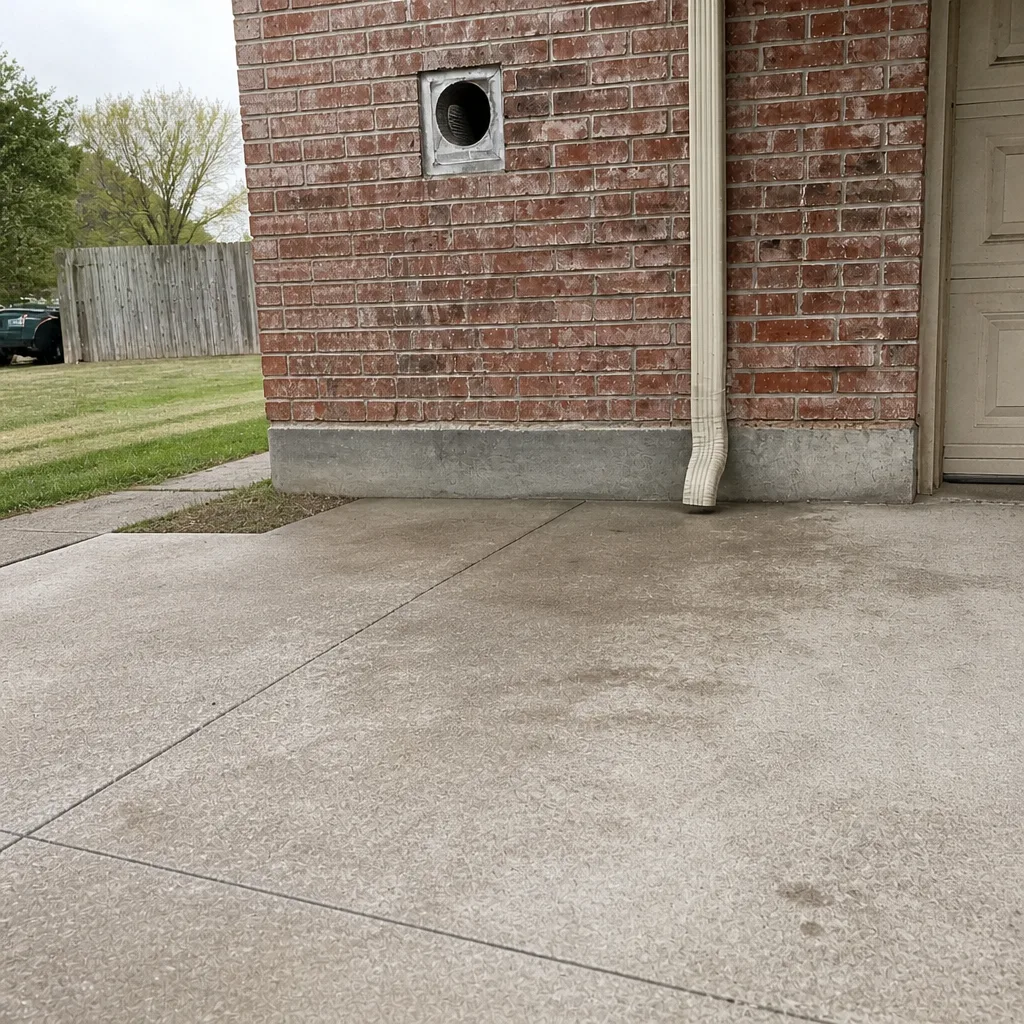
Whole-system duct and dryer vent check with before-and-after photos - you see exactly what came out of your vents
That "$99 whole-house special" is a bait ad - the real number appears once they are in your hallway, or the "clean" is a shop-vac at the register. We photograph the inside of your ducts before and after instead.
How to Hire an Air Duct Cleaning Contractor in Killeen: A Step-by-Step Guide
Most homeowners in Killeen pick a duct cleaning contractor the same way they pick a pizza place: by star rating and price. That works fine for pizza. It fails badly for ductwork, because the two things you can’t see from a review are the two things that determine whether the job actually worked: the equipment on the truck and the process behind it. NADCA’s own complaint data points in the same direction. When customers say nothing changed after a cleaning, the contractor usually never created negative pressure in the duct system at all. This guide walks through the equipment questions, the certification limits, the quote comparison, and the contract terms that separate a real job from a billed one.
Styles & brands we work with
- Whole-home duct cleaning
- Dryer vent cleaning
- Camera inspection
- Sanitizing & deodorizing
Quick Answer
To hire an air duct cleaning contractor in Killeen, ask five questions before you book: what equipment they run, whether they pull negative pressure during cleaning, how they access and reseal the system, whether they document before and after, and what the written scope covers. Reviews and price tell you almost nothing. Equipment and process tell you nearly everything.
Table of Contents
- Why Hiring Well Matters More Than You Think in Killeen
- The Five Equipment Questions to Ask Before You Schedule
- What NADCA Certification Actually Requires (And What It Doesn’t Cover)
- Red Flags Specific to the Low-Bid Market
- How to Compare Quotes When Every Contractor Describes the Work Differently
- What a Legitimate Service Agreement Should Include
- What to Watch For on the Day of the Job
- Common Mistakes to Avoid
- When to Call a Professional
- Frequently Asked Questions
- The Bottom Line
Why Hiring Well Matters More Than You Think in Killeen
Air duct cleaning sits in an unusual spot in the home services market. It’s a job with no visible before-and-after to a homeowner standing on the ground, it’s sold to people who can’t inspect the inside of their own ductwork, and the customer often can’t judge the result for weeks. That combination attracts contractors who market hard and cut process. You pay, the crew leaves, and the system sounds the same as it did before.
What makes the Killeen market distinctive is the housing stock and the way the region is built. A lot of Killeen homes sit on slabs with the air handler in a closet or the attic, connected to flexible duct runs that were sized for a specific cfm and often sealed with mastic at the joints. Central Texas is dusty. The region runs hot for months at a stretch, which means the HVAC system runs long hours and pulls a steady volume of that dust through the return. Ducting that isn’t resealed properly after cleaning will leak conditioned air into an attic that hits well over 130 degrees in July. That’s a real cost, every month, on the utility bill.
So the stakes for hiring well aren’t abstract. If the contractor doesn’t reseal access points and disconnected joints, your cooling system works harder. If the contractor doesn’t pull negative pressure, contaminants that were settled in the ducts get stirred into the breathing air. If the contractor doesn’t document the interior condition, you have no idea what you paid for. None of those failures show up in a review. All of them show up in your air quality and your energy bill.
For a fuller picture of what a proper cleaning involves, our air duct cleaning page walks through the process our team runs on every job.
The Five Equipment Questions to Ask Before You Schedule
If you only remember one section of this guide, remember this one. Ask these five questions on the phone before anyone schedules a visit. A legitimate contractor will answer them without hesitation and without checking with anyone. If the answers are vague or deflected, you have your answer.
- What equipment is on the truck? “We have a vacuum” is not an answer. Ask for brand names. Professional crews use rotary brush systems and HEPA vacuum units built for this trade. Ours is a Duct Cleaning Killeen standard: Rotobrush rotary brush systems and Nikro HEPA vacuum equipment, the same class of machinery used in commercial and industrial work. A shop vac is not a substitute, no matter how large it looks.
- Truck-mount or portable, and what’s the CFM rating? Truck-mount units pull the most air and are the fastest on a large home. Portable units work fine on most residential systems, but the cfm number matters. Ask. If they don’t know the cfm rating of their own machine, they don’t run it often enough to know what it can handle.
- What brush type goes into the ducts? Rotary brush heads come in different styles for different duct materials and thicknesses. A stiff brush through thin flex duct can tear the liner. Ask what they use on flexible duct and how they protect the liner. The answer tells you whether they’ve thought about your ductwork or just their machine.
- Do you run a camera scope, and will you show me the footage? A camera scope isn’t optional for a thorough job. It’s how you see what’s inside before and after, and how you spot a disconnected run without tearing open a wall. Ask whether they touch the inside of your system without checking the camera first, and ask to see the footage from your own ducts on the day of the job.
- Do you pull negative pressure during the cleaning? This is the question that separates the field. A proper cleaning captures contaminant rather than redistributing it. That means containment and negative-air equipment holding the system under negative pressure while the work happens. Ask specifically what they bring to create it. If the answer doesn’t mention containment or negative air, they’re not running a real process.
Our team runs Abatement Technologies containment and negative-air equipment on every job precisely because it’s the difference between cleaning a system and stirring it up. Contaminants are captured and exhausted, not pushed into your living room and left to settle on your furniture.
What NADCA Certification Actually Requires (And What It Doesn’t Cover)
NADCA, the National Air Duct Cleaners Association, sets the reference standard for this trade. Certification isn’t mandatory, and it doesn’t make a contractor good automatically. But it does tell you something a review can’t, provided you know where the edges of the claim are.
A NADCA-certified firm has demonstrated a baseline of industry standards and evaluation. A certified technician has passed an exam that covers the trade’s procedures and expectations. What that certification does not certify is any specific job. It doesn’t guarantee a specific truck pulled up, a specific person ran the equipment, or that the vacuum was working at full strength that day. It’s a credential of institutional competence, not a warranty of performance.
In practice, this means the certification tells you the contractor has made a real investment in knowing the trade. That’s worth something in a market where many operators are generalists who added duct cleaning to a menu. But it doesn’t replace the equipment questions above. A certified firm running the wrong machine for your job is still running the wrong machine.
The other part of certification worth understanding: it covers process and standards, not the broader scope of the work. Cleaning is not repair. A contractor can clean ductwork professionally and still not be equipped to diagnose or fix a disconnected run, a collapsed flex section, or a torn liner. Those are separate capabilities, and you want to know which ones your contractor actually has before you book. We built that capability in-house because cleaning a system with a broken run is wasted money.
Red Flags Specific to the Low-Bid Market
Duct cleaning is one of the most aggressively low-bid categories in home services. The advertised teaser price is a marketing tool, not a job price. Here’s what to watch for in the low end of the Killeen market.
- Vague scope. If the quote is “cleaning,” ask what specifically is cleaned. Supply runs, returns, the air handler cabinet, the blower, the plenum, the register boots. A cheap quote often covers main trunk and nothing else, then expands once the crew is inside.
- No access cut protocol. Cleaning a sealed duct system requires access points. A legitimate contractor will tell you in advance where they plan to cut, how they’ll seal the cuts afterward, and how the seal holds. A vague answer here means they’re either cutting wherever and patching with tape, or they plan to run a hose through the register and call it done.
- No before-and-after documentation offer. Ask what proof you’ll get that the work was done. A real contractor will document the interior with a camera before and after, and share it with you. An operator who won’t offer this is telling you there’s nothing to see.
- Price that appears on the invoice, not before. The price should be agreed in writing before the crew arrives. If a technician arrives and the price moves once the truck is in the driveway, walk away.
- No mention of the machine. Any contractor who can’t name the equipment they run is either not running it themselves or not trained to know it. Either way, it doesn’t help you.
- No mention of resealing. Cleaning a duct system without resealing it properly is often worse than leaving it alone, because you’ve disturbed the settled dust without restoring the system’s pressure integrity. Ask how they handle the seals.
You’ll save money on paper with a low-bid contractor, and you’ll often spend it back on a return cleaning to fix what they left behind. The market rewards the low bidder with the longest list of things the price didn’t cover.
How to Compare Quotes When Every Contractor Describes the Work Differently
No two duct cleaning quotes in Killeen use the same words, which makes direct comparison nearly impossible. The fix is to force every quote onto the same field of comparison. Create a one-page template of your own with these headers and ask every contractor to fill it in:
- Scope of system. Which runs are cleaned: all supply runs, all returns, main trunk, air handler cabinet, blower wheel, plenum.
- Equipment used. Brand of vacuum, brand of rotary brush, cfm rating, whether truck-mount or portable.
- Containment. Whether negative pressure is pulled and which equipment creates it.
- Access points. Number and location of cuts to be made, and how each will be resealed.
- Documentation. Before-and-after camera footage, still photos, written summary.
- Repair included or excluded. Whether disconnected runs and minor sealing issues are fixed as part of the job or quoted separately.
- Price and terms. One flat price for the system, agreed in writing, with no per-vent or per-register add-ons.
When every quote answers the same questions in the same order, the comparison becomes obvious. The quotes that leave a field blank have told you something. The quotes that fill every field honestly, including the repair question, are the ones worth a second look. This is also where a contractor who can quote cleaning and repair in one document wins: no separate trip, no second call-out, no surprise after the cleaning crew finds a collapsed flex run in the ceiling.
One last comparison tip: ask each contractor what they do if the camera shows a problem cleaning can’t fix. The answer tells you whether you’re buying a cleaning or a full assessment, and whether the company can address the finding or just hand you a photo and walk away.
What a Legitimate Service Agreement Should Include
A duct cleaning agreement doesn’t need to be long, but it does need to be specific. If your contractor won’t put the following in writing before the job, that’s a signal, not a technicality. A proper Killeen residential agreement should cover:
- The scope in writing. Which components, which runs, and which equipment. Not “full duct cleaning” as a generic phrase, but the specific list.
- The flat price. One number for the scope agreed, not a per-vent or per-hour rate that shifts with what the crew finds. Any add-on should require your written approval before the work happens.
- The access and resealing plan. How many cuts, where, and how each is sealed. The seal should be specified, not left to “we’ll tape it.”
- Documentation clause. A commitment to provide before-and-after camera footage or still photos, and to walk you through what was found.
- Repair scope, if repair is included. If a disconnected run or a seal failure is found, does the price cover fixing it, or is it quoted separately at additional cost? Get this in the document.
- What happens if the result isn’t what was promised. A real contractor will stand behind the job. Ask what their policy is before you sign, not after.
If a contractor resists putting these in writing, the resistance is your answer. The best contracts are boring. They describe what’s going to happen, exactly, and they end with a price. That’s the standard we hold ourselves to, and it’s the standard you should hold anyone else to.
What to Watch For on the Day of the Job
You don’t have to hover, but you should be present for about fifteen minutes at the start and the end. At the start, verify three things: the machine the crew unloads is the machine the quote named, the containment equipment goes in before any cleaning begins, and the crew knows where the access cuts will be and how they’ll be sealed. If any of the three doesn’t match what was promised, stop the job and call the office. That’s a conversation worth having before the work starts, not after.
At the end, ask for the camera footage of your own ducts. Ask the technician to walk you through what was found and what was fixed. If a run was disconnected, ask how it was reconnected and see the evidence. Then walk the house. Any dust and debris should have been contained, not settled on your shelves. Any access cuts should be sealed before the crew leaves, not promised for a return visit later that week. And the register boots should be reinstalled. A crew that leaves and says they’ll be back to seal the cuts is a crew that should have sealed them before they left.
Ask for the written summary. It’s a small ask and it’s a reasonable one. If the contractor can’t produce a written summary of what they did and what they found, the review of your job has just been written by the next contractor.
Common Mistakes to Avoid
- Booking on price alone. The cheapest quote in Killeen is usually the one with the least process behind it. Cheaper price, thinner scope, shorter job. The math rarely works out in the homeowner’s favor.
- Booking on reviews alone. Reviews tell you a contractor showed up on time and was polite. They can’t tell you whether the vacuum was pulling full pressure or whether the containment was actually deployed. Use reviews as one signal, not the deciding one.
- Assuming cleaning fixes duct problems. A collapsed flex run or a disconnected joint is a repair, not a cleaning issue. If your contractor can’t diagnose or repair, you’re cleaning a system that isn’t working right to begin with.
- Skipping the dryer vent. Duct cleaning and dryer vent cleaning are separate jobs, but both work on the same safety principle: lint and debris accumulate and reduce airflow. The dryer vent is the higher-stakes one because of fire risk. Ask about it before you book, and confirm whether it’s included or separate.
- Not asking what happens if nothing improves. A real contractor should be willing to talk about a return visit if you don’t see what you expected. If the answer is “well, HVAC systems are complicated,” the conversation is over.
- Letting the technician set the price on arrival. Agree to a flat price before the visit. The invoice you’re handed at the end should be the quote you agreed to.
- Ignoring the reseal. The most common hidden failure in duct cleaning is a system left slightly leakier than it started, because the access cuts weren’t sealed properly. That’s a cost on every cooling month after.
When to Call a Professional
You need a professional sooner than most homeowners realize in a few specific situations. If you’ve recently finished a remodel, the drywall dust and construction debris are in the system and need to come out, not be pulled back through the supply registers. If you have visible dust trails around the register boots, or the registers themselves are dark with buildup, that’s a sign the system is running dirtier than your filter can catch. If anyone in the household is experiencing unexplained respiratory symptoms that improve when they’re outside the house, duct condition is worth checking.
Other signals: a musty smell that returns whenever the system kicks on, a persistent hot spot in one room that suggests a disconnected or leaking run, or an energy bill that has climbed without a change in usage. If any of those describe your Killeen home, get a real assessment. Duct Cleaning Killeen offers free estimates in Killeen. Call (833) 754-6799. We answer 24/7. Fast dispatch from 7am to 7pm, Sunday through Friday.
Frequently Asked Questions
Most residential duct cleaning in Killeen runs on a whole-system flat price, and the exact number depends on the number of runs, the type of ductwork, and whether repair is included. You should get one flat price per system agreed before work starts, not per-vent pricing and not a teaser figure that grows on arrival. The written estimate sets the final price. Call (833) 754-6799 for an exact quote. Estimates are free.
Cheap quotes usually reflect a thinner scope, cheaper equipment, or both. A low bid often cleans main trunk only, skips negative pressure and containment, and doesn’t reseal the access cuts. That price looks generous on paper, and it’s often what pays for a return visit to fix the job the first crew left behind. Ask every contractor what the price includes in writing. Call (833) 754-6799 for a quote you can compare line for line.
Ask for camera footage of your own ducts before and after, plus a written summary of what was found and fixed. A legitimate contractor offers this without being asked. Our team documents every job that way. If a contractor won’t document, they’ve told you something. Call (833) 754-6799 to book a job that comes with proof.
Not necessarily. Cleaning and repair are separate capabilities, and many cleaning crews don’t have the equipment or training to fix a disconnected run, a collapsed flex section, or a torn duct liner. Ask in advance whether repair is included or quoted separately. We handle both on a single visit. Call (833) 754-6799 to talk through what your system needs.
Most homes don’t need cleaning on a fixed schedule. The triggers are events, not time: a remodel, a renovation, pets that shed heavily, visible buildup at the registers, recent water intrusion, or a contractor who found debris during a repair. If none of those apply, a duct cleaning isn’t a yearly maintenance item. If any of them do apply, it’s worth a real assessment. Call (833) 754-6799 for a free estimate.
In most cases, yes, and it’s the higher-priority job of the two because of fire risk. Lint accumulates in dryer vents the same way dust accumulates in ductwork, and the failure mode is more serious. Many homes get the two combined on a single visit. Call (833) 754-6799 to ask about both.
A rotary brush system, a HEPA vacuum unit with a known cfm rating, a camera scope, and containment and negative-air equipment. If any of those four is missing from the answer, the job is not a full duct cleaning. Ask for brand names. A tradesperson who knows their equipment is glad to name it.
The Bottom Line
Hiring a duct cleaning contractor in Killeen comes down to two things: the equipment and the process. Reviews and price can’t tell you either one, which is why the five equipment questions matter more than anything else in this guide. The contractor who can name the machine, describe the containment setup, explain the access cuts, and show you the camera footage before and after is the one worth booking. The one who won’t is a coin flip you probably lose. If you want to skip the vetting and start with a real answer, Duct Cleaning Killeen runs commercial-grade equipment and full-scale inspection. Call (833) 754-6799 for a free estimate. We answer 24/7. Fast dispatch from 7am to 7pm, Sunday through Friday, closed Saturday.
For more on how the process should be run, start with Duct Cleaning Killeen, our air duct cleaning service page, and the dedicated dryer vent cleaning page. If you’re looking for a broader picture of the local market, see Killeen.
Written by the team at Duct Cleaning Killeen.
See the difference
 Before
 After
 Before
 After
 Before
 After