
Last updated November 14, 2026
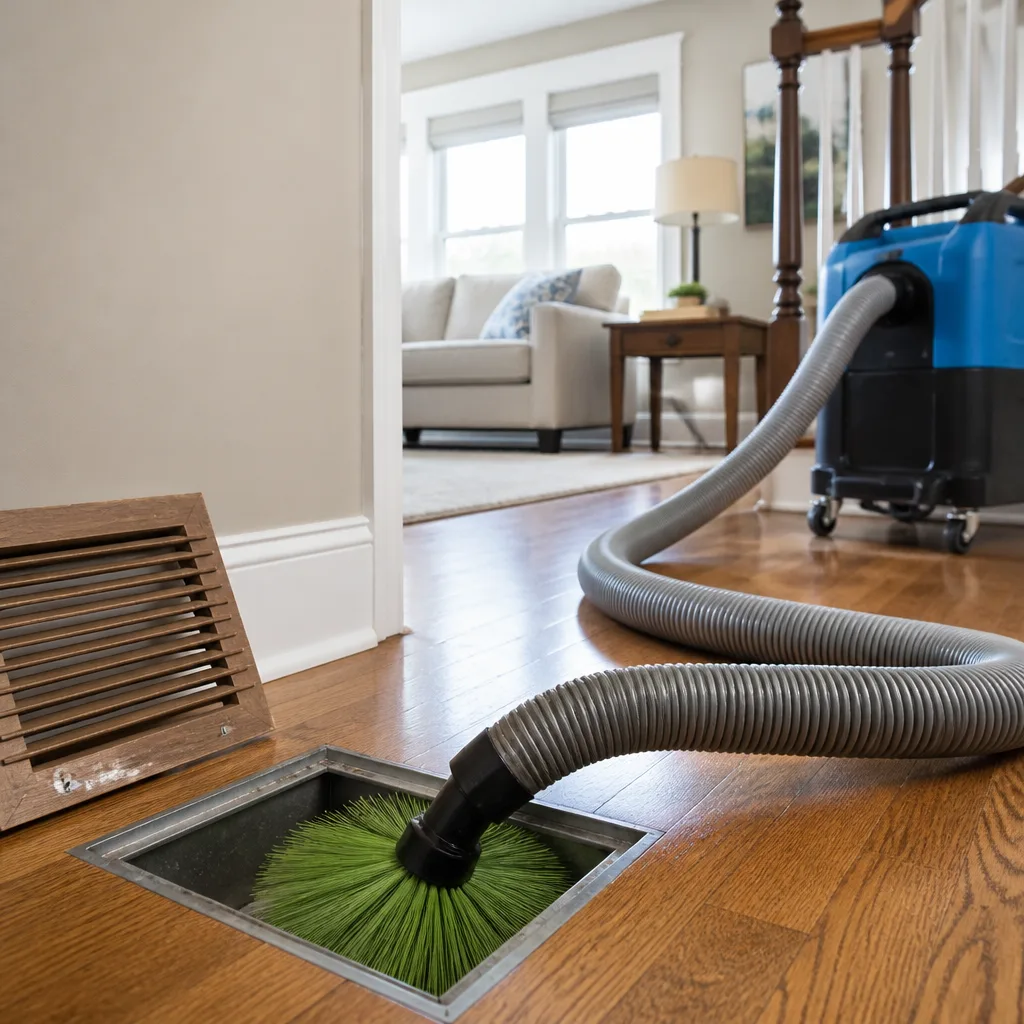 Whole-home duct cleaning
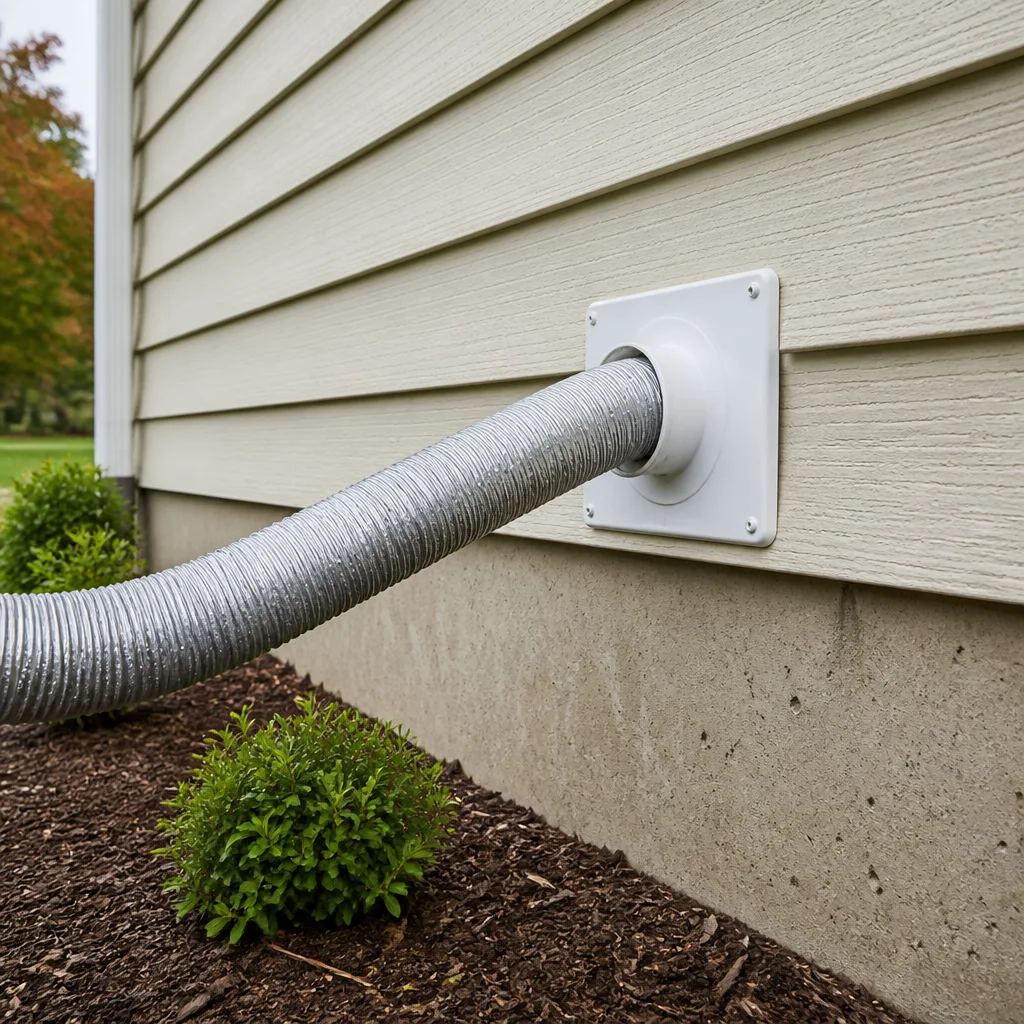 Dryer vent cleaning
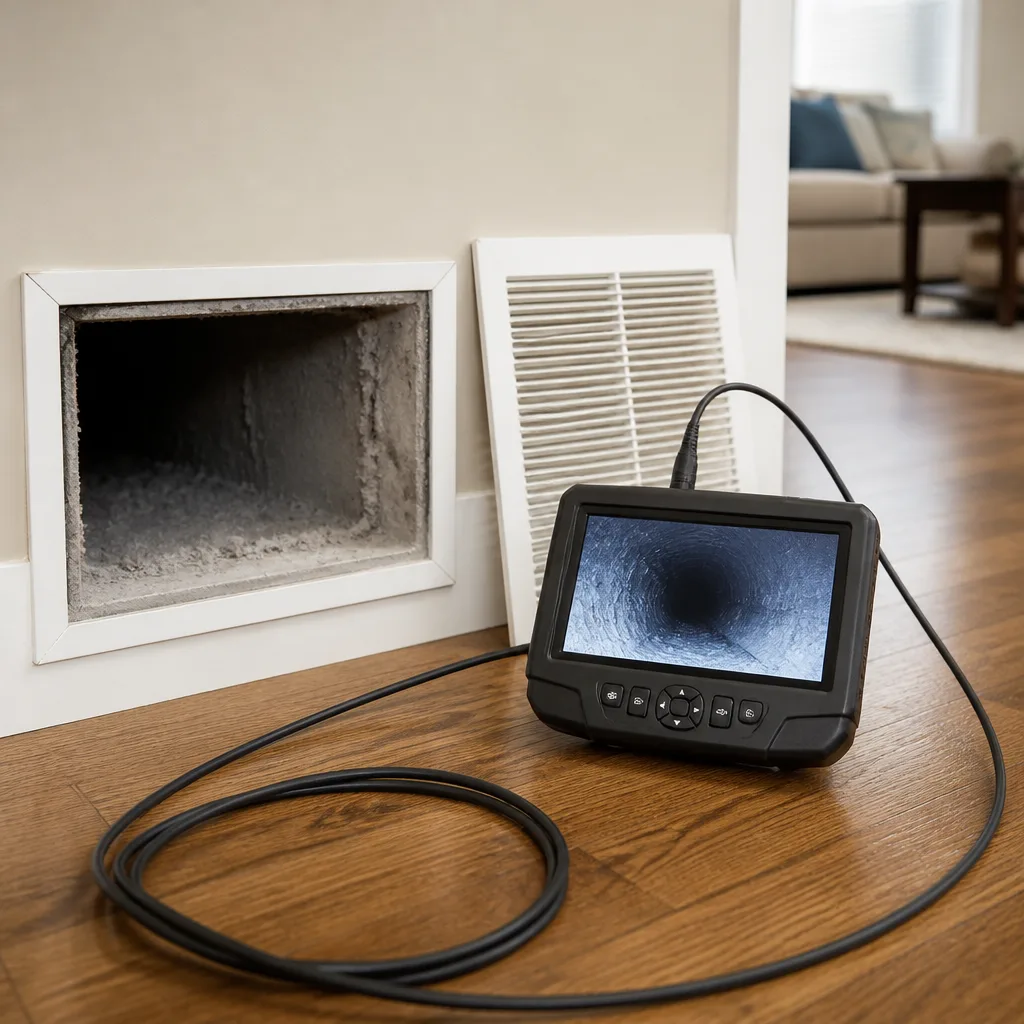 Camera inspection
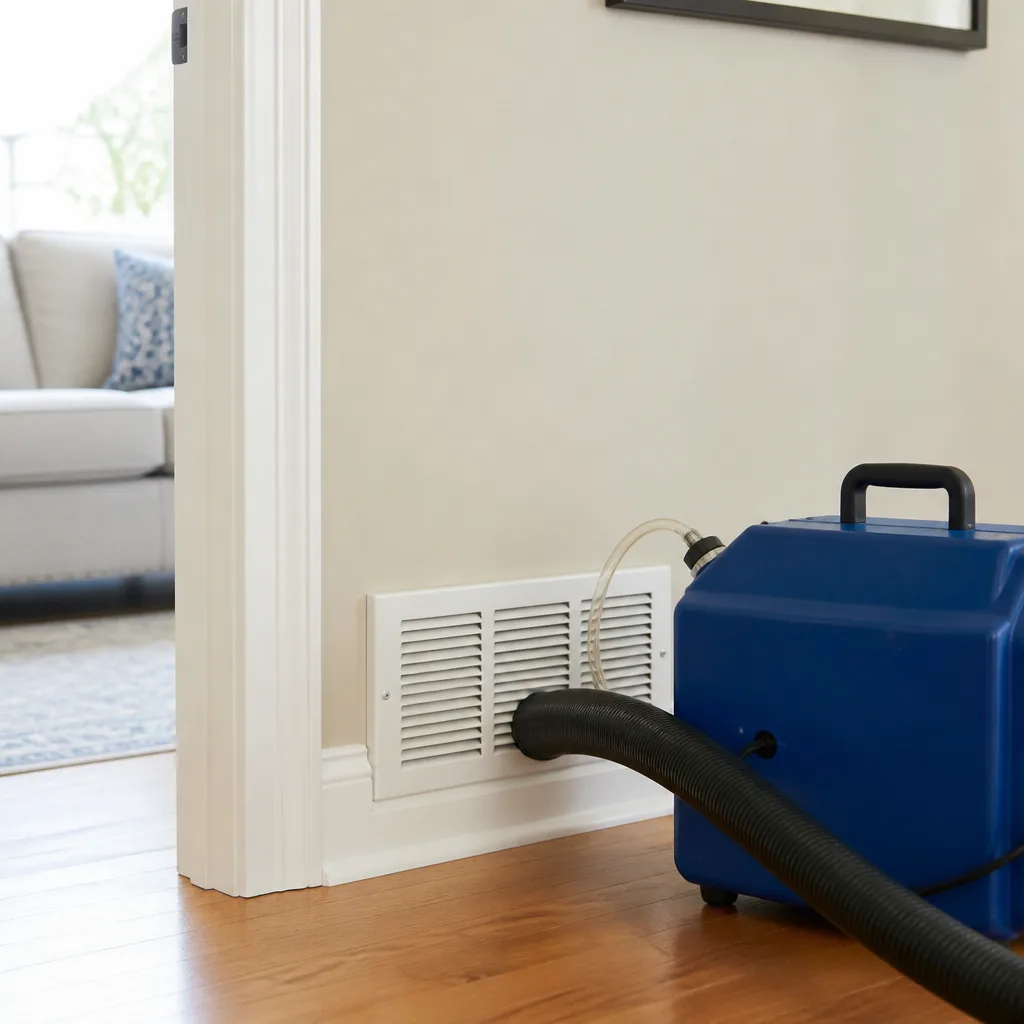 Sanitizing & deodorizing
Whole-system duct and dryer vent check with before-and-after photos - you see exactly what came out of your vents
That "$99 whole-house special" is a bait ad - the real number appears once they are in your hallway, or the "clean" is a shop-vac at the register. We photograph the inside of your ducts before and after instead.
The Complete Guide to Air Duct Cleaning in Killeen
Most Killeen homeowners never think about their ducts until something else breaks – a system that won’t cool, dust that settles hours after cleaning, or a utility bill that keeps climbing. Then the mailers arrive: $49 whole-house duct cleaning, sometimes less. Those prices exist for a mechanical reason, and it’s not generosity. The work either removes the debris from your system or it doesn’t, and the difference comes down to equipment and process, not marketing. This guide walks through what a legitimate cleaning actually involves, which local conditions drive contamination faster in Killeen, and how to judge any contractor’s process before you write a check.
Quick Answer
A legitimate air duct cleaning in Killeen uses a negative-pressure vacuum to hold the entire duct system under suction while rotary brushes loosen debris from every run, so contaminants are captured and removed rather than blown back into living spaces. The job should include cleaning the supply and return ducts, registers, grilles, and the air handler components that touch the airstream. Cost runs roughly $350 to $900 for a typical Killeen home depending on system size and condition, and you should see before-and-after evidence of your own ducts, not a generic brochure photo.
Styles & brands we work with
- Whole-home duct cleaning
- Dryer vent cleaning
- Camera inspection
- Sanitizing & deodorizing
Table of Contents
- What Air Duct Cleaning Actually Involves
- Negative-Pressure Source Removal vs. Brush and Shop Vac
- What Accelerates Duct Contamination in Killeen
- How to Read a Company’s Equipment List
- What a Technician Should Show You Before and After
- Why Duct Repair Belongs in the Same Conversation as Cleaning
- What Air Duct Cleaning Costs in Killeen
- How Often Your Ducts Actually Need Cleaning
What Air Duct Cleaning Actually Involves
The EPA does not publish a recommended cleaning frequency, and that absence is the point. The question isn’t how many years have passed since the last cleaning – it’s what condition your specific system is in. A cleaning that never touches the air handler cabinet, the evaporator coil housing, or the return plenum hasn’t cleaned your system. It has cleaned the visible parts.
A complete job covers the whole airstream. That means:
- All supply runs, from the main trunk out to each register boot
- Return ducts and the return plenum, which carry the heaviest debris load because they pull from living spaces
- Registers, grilles, and diffusers, removed and cleaned individually
- Heat exchanger or evaporator coil surfaces accessible to the airstream, handled carefully around fins and refrigerant lines
- Blower motor and housing, cleaned where accessible without disassembly that risks the equipment
- The air handler cabinet interior, wiped down after vacuuming
In our experience, the air handler is where the most interesting evidence lives. If the blower wheel is packed with dust, the ducts feeding it almost certainly are too, and no register-level cleaning fixes that. When you book air duct cleaning, ask specifically whether the air handler is included. A quote that skips it is a partial job.
Negative-Pressure Source Removal vs. Brush and Shop Vac
Here’s the mechanical difference that separates real cleaning from theater. Source removal means the debris leaves your house. Everything else is dust management, at best.
How a Professional System Works
- Containment goes up first. Registers are sealed with specialty covers, and on systems with multiple zones or complicated layouts, negative-air equipment from Abatement Technologies creates a pressure differential that keeps contaminants inside the work zone. Nothing gets redistributed into the rooms you’re standing in.
- A commercial HEPA vacuum connects to the main trunk and puts the entire duct system under negative pressure. Nikro HEPA units move enough air volume to hold suction through every branch line at once, which is what makes step three work.
- A rotary brush system – the Rotobrush setup is the standard in the trade – feeds a spinning brush head through each duct run, agitating debris loose from the metal walls while the vacuum pulls it back to the collection unit.
- Contact cleaning follows the vacuum: registers scrubbed, boots wiped, air handler interior cleaned by hand with HEPA-assisted vacuuming.
- Containment comes down last, after the equipment shuts off, so nothing settles back into a clean duct.
What a Shop Vac and a Hand Brush Can Do
Not much, mechanically speaking. A shop vac moves a fraction of the air volume a commercial unit does, and it has no way to hold negative pressure across a whole system – so the brush knocks debris loose and it drifts. Consumer brushes don’t articulate through elbows and offsets the way rotary systems do. When someone quotes $49, that’s usually the operation you’re buying, or a version of it limited to the registers you can see.
On the other end of the scale, compressed air “blow-outs” are worse than doing nothing: they push debris into the living space and pack it deeper into duct joints. If a contractor mentions blowing out your ducts with air, that’s your signal to keep calling.
What Accelerates Duct Contamination in Killeen
Duct contamination isn’t uniform across the country, and Killeen has a specific combination of conditions that pushes systems harder than the national average.
Caliche Dust and Central Texas Soil
The ground around Killeen is heavy with caliche – that pale, cement-like layer under the topsoil that turns to a fine, alkaline powder when it’s disturbed. Construction, landscaping, road work, and even a dry windy week push that powder into the air, and a house with any return-side leakage pulls it straight into the duct system. Caliche dust is fine and slightly alkaline, and it settles into duct joints and on coil fins where it can build up season after season. Homes on the edges of newer development tend to see this fastest.
Humidity Windows in Spring and Fall
Killeen sits in that central Texas band where the humidity swings hard. During the shoulder seasons, the air conditioner cycles less, which means coil surfaces stay damp longer between runs. Moisture plus dust is the recipe for biological growth on coil fins and in the plenum. That growth produces the musty smell homeowners describe as “the house smells stale when the AC first kicks on.” Cleaning removes the food source. Fixing the moisture problem is a separate conversation, but cleaning comes first.
Construction Proximity
New construction and renovation cycles in and around Killeen – including the steady building activity near Fort Hood – mean a lot of homes sit within a few blocks of active dirt work. Drywall dust is the worst offender. It’s fine, it’s abrasive, and it coats duct interiors in a way ordinary household dust doesn’t. If your home was built or substantially renovated in the last few years, a first cleaning often turns up a surprising amount of construction debris.
Age of the Housing Stock
Older Killeen homes frequently have duct systems that were never sealed at the joints and were laid out with flexible duct runs that sag or kink over time. Both conditions increase leakage, and leakage pulls attic air – insulation fibers, dust, and whatever else lives up there – into the airstream. Cleaning a leaky system helps, but sealing it is what makes the cleaning last.
How to Read a Company’s Equipment List
Equipment is the single most honest thing a duct cleaning company will tell you about itself. Brand names and model types are hard to fake and easy to verify. When you ask “what do you bring to the job,” here’s what a serious answer sounds like.
- They name their vacuum. Nikro, Rotobrush, or an equivalent commercial HEPA unit. If the answer is “a really strong vacuum,” that’s not an answer.
- They name their brush system. Rotary brush systems are the standard for flexible and sheet-metal ducts. A company that can’t tell you what brush head they use for different duct types hasn’t done much of this work.
- They mention containment. Abatement Technologies negative-air equipment or equivalent. If a company looks confused when you ask how they prevent cross-contamination, they don’t have an answer.
- They carry air quality products. Honeywell and Aprilaire filtration components are the standard for residential IAQ upgrades, and a company that stocks them is positioned to solve filtration problems instead of just cleaning and leaving.
- They talk about repair capability. Because the moment they find disconnected or crushed duct runs – and they will – you want to know whether the conversation ends or continues.
You can ask any of these questions on the phone before booking. A company that does this work well will answer without hesitation, because the equipment is the pitch. The right answer to “see the difference in what we bring to the job” isn’t a speech – it’s a look at the truck.
What a Technician Should Show You Before and After
You shouldn’t have to take anyone’s word for whether the work was done. Duct cleaning happens inside sealed spaces where you can’t watch, which puts the burden of proof on the contractor, not on you. Here’s what a legitimate job includes, and what to insist on.
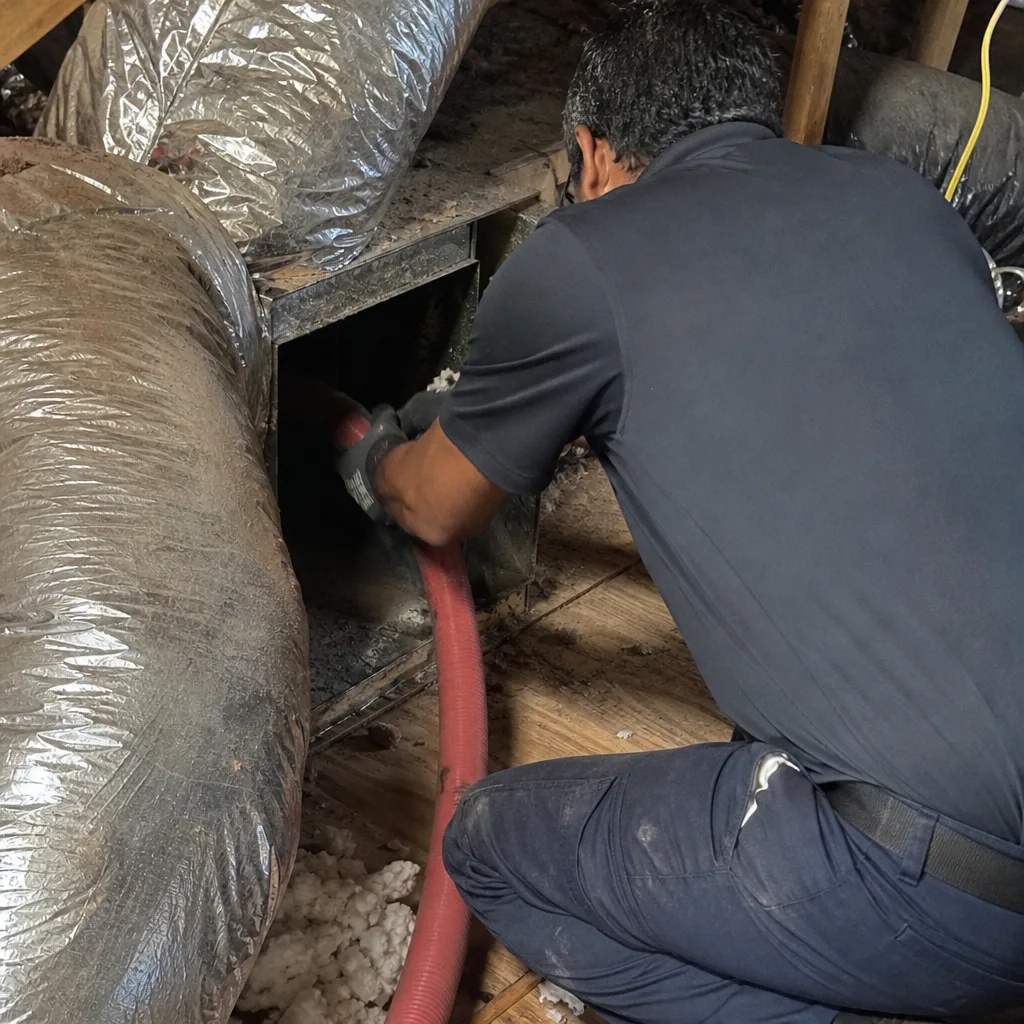
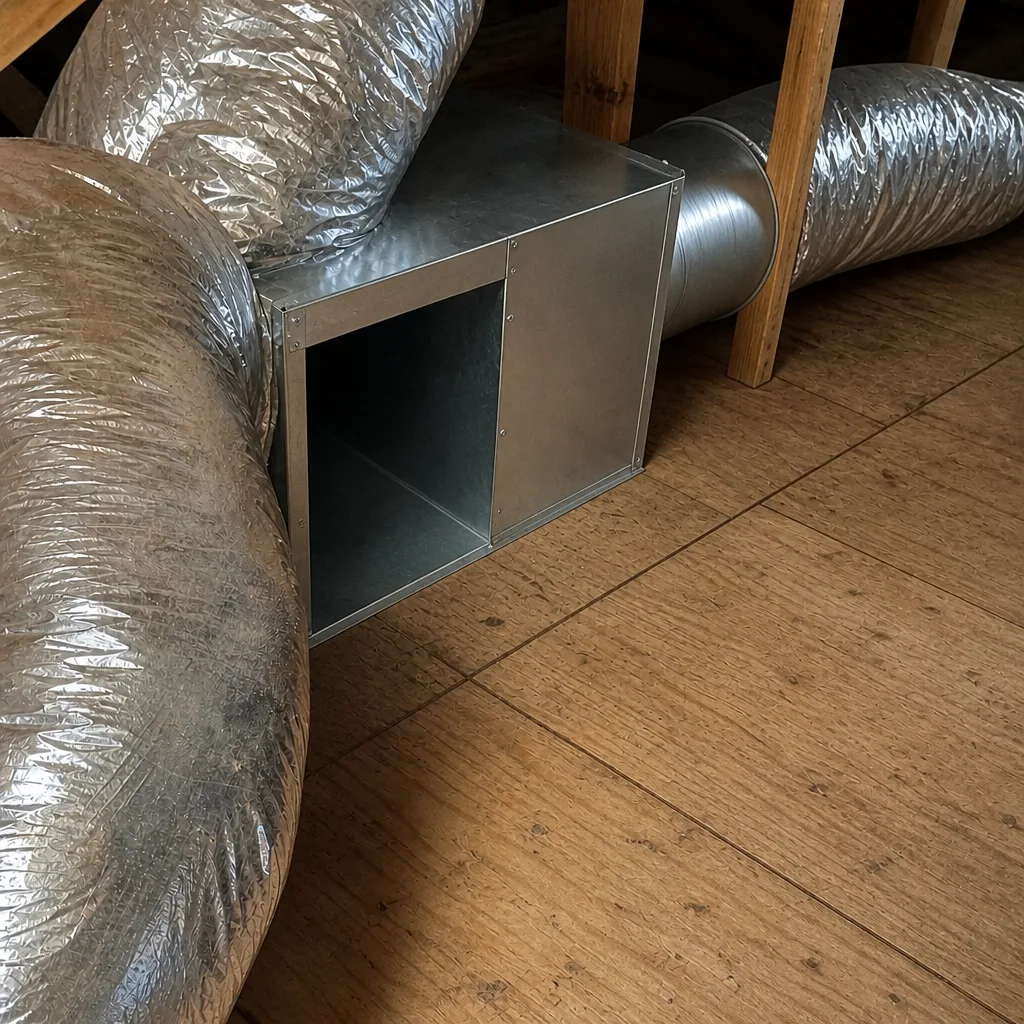
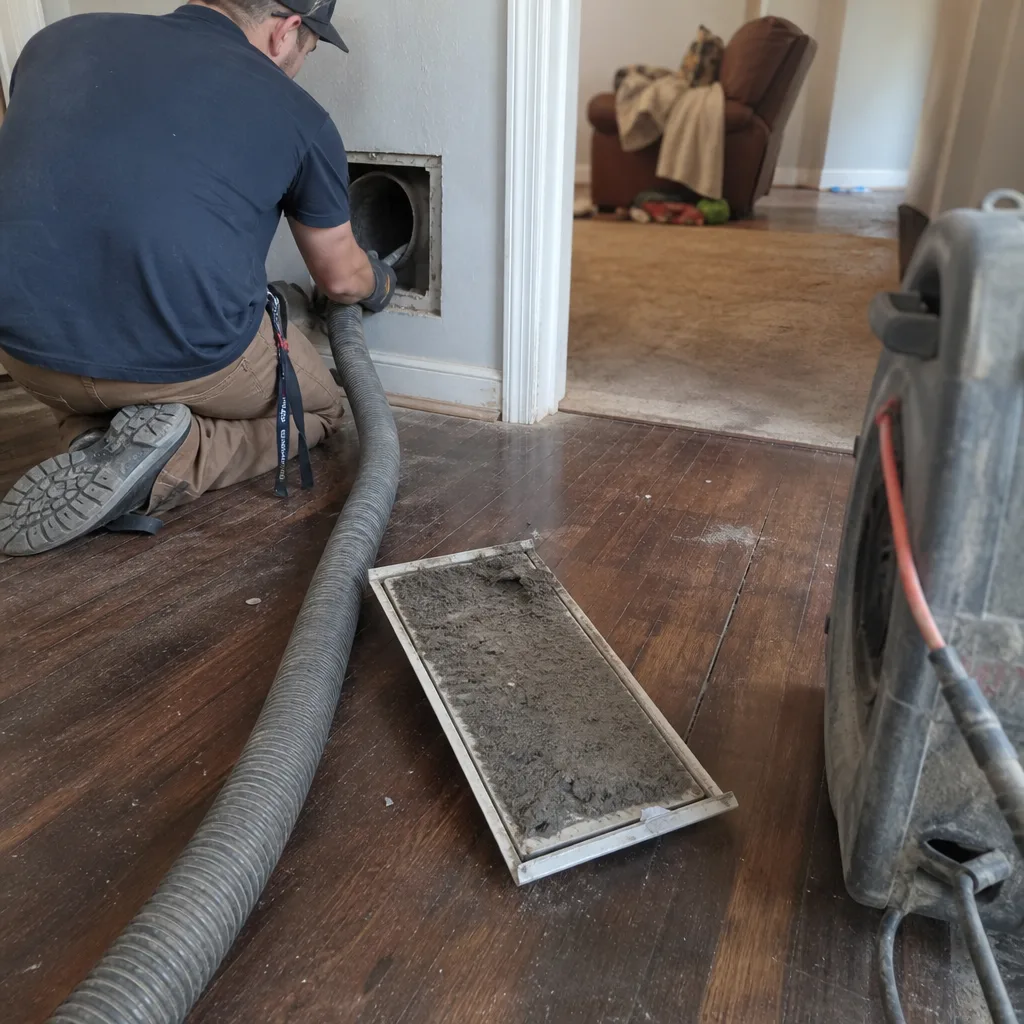
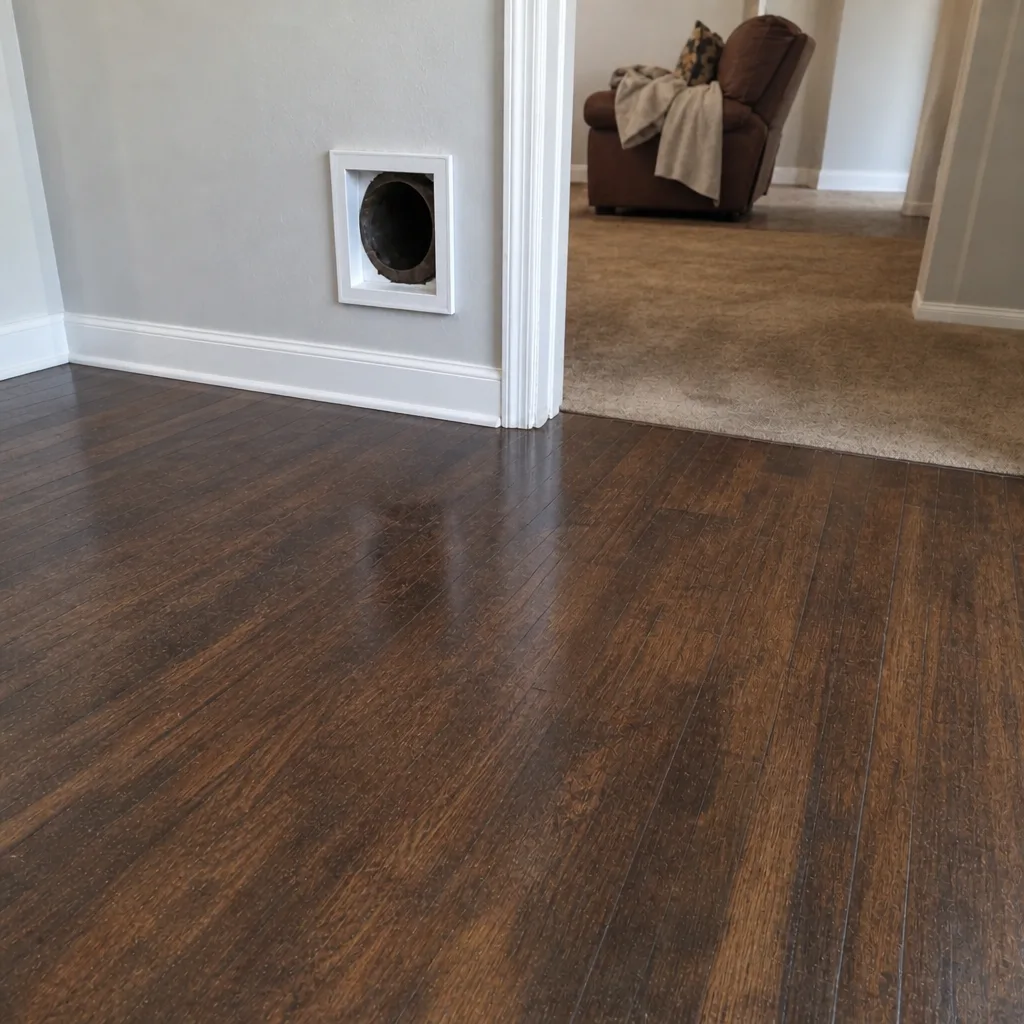
- Before photos, taken on your system. A camera or phone shot down a supply register and into the return plenum, showing the condition before anything is touched. The photos should have enough detail to show debris, and the technician should show them to you or send them to you.
- After photos of the same locations. Same register, same plenum, same angle. Before-and-after photos of your own ducts are the only meaningful proof of result. A brochure photo of someone else’s system isn’t.
- A view inside the air handler. The blower wheel is the easiest component to see and the most telling – a clean blower beside dirty ducts means the job wasn’t finished, and a dirty blower beside clean ducts means the same thing.
- Photos of any repair findings. Disconnected joints, crushed flex runs, torn duct board, and gaps at the plenum are common. If a technician finds them, ask to see the photo before you agree to anything.
- The collection container. A commercial vacuum unit has a collection bin. The content of that bin – dust, insulation, construction debris – is evidence. A professional will show it without being asked.
One caveat on the before-and-after: some surface discoloration in older galvanized ductwork doesn’t scrub away completely, and a company that promises factory-new duct interiors is overpromising. What should change is the loose debris, the dust load on the coil and blower, and the smell. Those are reliable indicators. Shiny metal isn’t.
Why Duct Repair Belongs in the Same Conversation as Cleaning
Cleaning a leaking duct system is a short-term fix with an expiration date. Within a season or two, leakage pulls the same contaminants back in, and you’re back where you started. That’s why we treat cleaning and repair as one job with two phases instead of two separate sales pitches.
The duct failures we find most often in Killeen homes break down like this:
- Disconnected joints where flex duct meets a boot or a takeoff, often knocked loose during prior attic work
- Crushed or collapsed flex runs where ductwork was stepped on, compressed behind equipment, or pinched against a joist
- Torn or degraded duct board at the plenum or in older trunk line installs
- Unsealed gaps at the plenum and air handler connections, where the system is pulling attic air with every cycle
- Sagging runs with insufficient support, which restrict airflow and cause the system to work harder than it should
If a cleaning company can only document these problems, you’re left to source a separate contractor, explain the problem a second time, and hope the repair happens before the next cleaning. A company that cleans and repairs in one visit resolves the issue while the system is already open and the technician is already looking at it. That’s the “we clean it, we can fix it” difference, and it matters more in Killeen than in most markets because of how hard the soil and humidity press on duct systems here.
Dryer Vents Are Part of the Same Conversation
Duct cleaning visits often turn up a clogged dryer vent – a different system, but the same airstream problem. Lint accumulation in a dryer vent is a documented fire cause, and the vent is something most homeowners never look at. When we’re on site for dryer vent cleaning, the check is straightforward, and the result is measurable in airflow at the exterior hood. It’s the single most safety-relevant thing a duct cleaning visit can address.
What Air Duct Cleaning Costs in Killeen
Honest whole-system pricing is the answer to the bait-and-switch question, and the range below reflects what a complete job involves: containment, commercial vacuum, rotary brush cleaning of every run, register and air handler cleaning, and before-and-after documentation. Prices are per system, not per vent.
| Job | Typical Range | What It Covers |
|---|---|---|
| Standard whole-home duct cleaning | $350 – $600 | Supply and return ducts, registers, grilles, air handler, plenum, before-and-after photos |
| Larger or multi-zone systems | $550 – $900 | Same scope, more runs and equipment |
| Dryer vent cleaning | $120 – $225 | Full vent run, exterior hood, airflow check |
| Duct repair (per issue) | $150 – $500+ | Depends on access and extent; quoted after inspection |
| Filtration upgrade (Honeywell or Aprilaire) | Quoted per system | Recommended only where the existing filter setup is undersized |
These are typical estimates, not quotes. The written estimate you get after an on-site look at your system sets the final price, and it should be signed before the work starts. If a quote is well under the low end of this range, ask what’s excluded – it’s usually the air handler, the containment, or the before-and-after documentation. Call (833) 754-6799 for a free estimate.
How Often Your Ducts Actually Need Cleaning
There’s no single right number of years. Five measurable conditions inside a home determine whether a cleaning is due, and any one of them is enough to justify a look.
- Visible debris at the registers or inside the return plenum. Pull the return grille and look. If you see dust matting, insulation fibers, or construction debris, the system needs attention.
- A musty or stale smell when the system starts. Usually a coil or plenum moisture issue. Cleaning removes the source; repair prevents a repeat.
- Noticeable dust settling shortly after cleaning the house. Every surface gets dusty, but dust that reappears within a day or two after a full house clean points at the air handler or a duct leak.
- Recent construction, renovation, or a move-in. Drywall dust and prior-owner debris are common. A first cleaning after a purchase or a remodel is usually money well spent.
- The system has never been cleaned and the home is more than a decade old. Older Killeen homes frequently have never had the ducts touched.
If none of these apply, you can wait. If two or more apply, book a look and decide from there. The Duct Cleaning Killeen team can assess your system in a single visit and give you a straight answer on whether cleaning is warranted now or later.
Common Mistakes to Avoid
- Booking on price alone. The $49 teaser becomes a $600 invoice once the technician is on site because the base price covers registers only. Ask what’s included before you book, and confirm the air handler is in the scope.
- Accepting a cleaning that skips the air handler. The blower and coil are the two surfaces most responsible for the smell and dust problems you noticed. A cleaning that leaves them dirty didn’t solve your problem.
- Not asking to see photos of your own system. Before-and-after photos of your ducts are the only proof that work happened. If a company can’t provide them, find one that can.
- Letting a company blow compressed air into the system. Blow-outs redistribute debris into living spaces and pack it deeper into joints. There’s no scenario where this is the right approach.
- Skipping the repair step after cleaning. A leaking or disconnected duct will undo a cleaning within a season or two. If the technician finds a failure, fix it while the system is open.
- Ignoring the dryer vent because the ducts got cleaned. The two are separate systems and the vent is the higher fire risk. Have it checked at the same time.
- Trusting a company that won’t discuss its equipment. Brand names, vacuum type, and containment setup are all answerable. If they’re not, keep calling.
See the difference
 Before
 After
 Before
 After
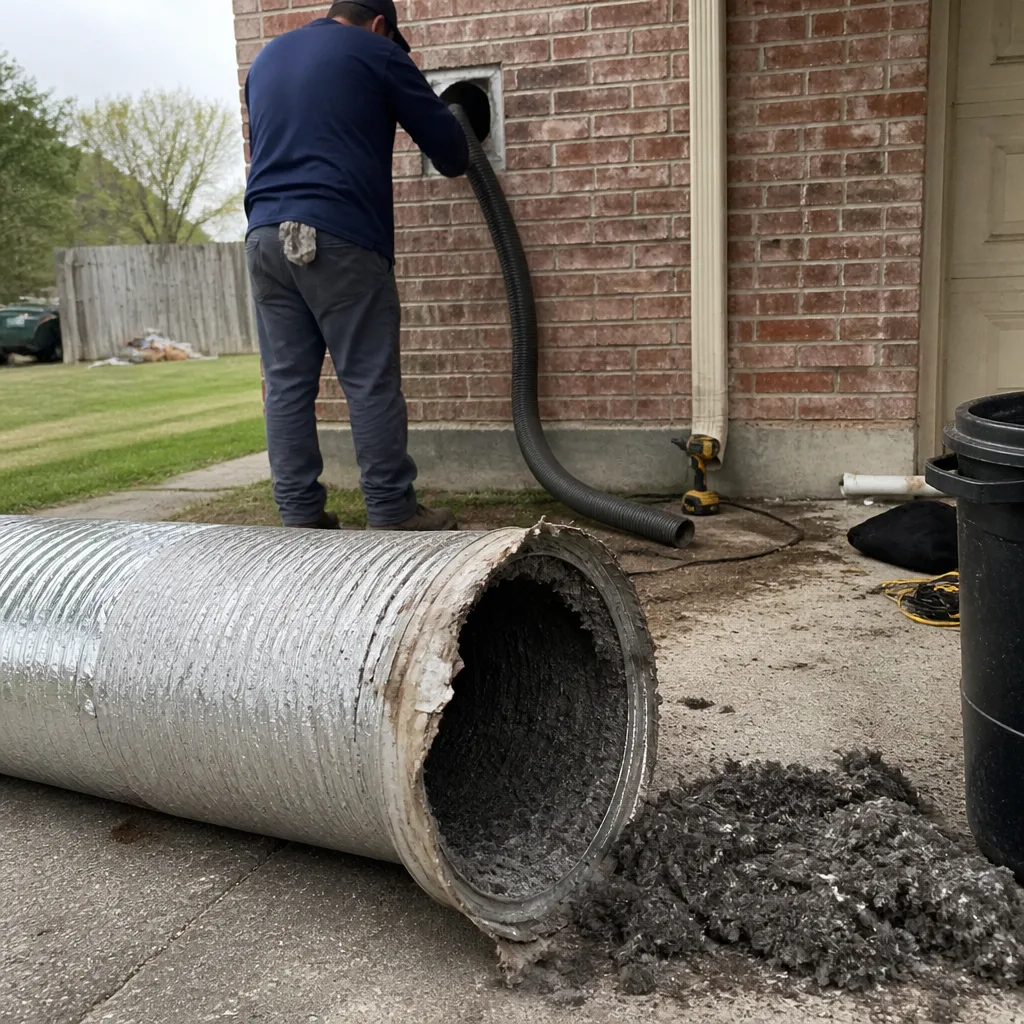 Before
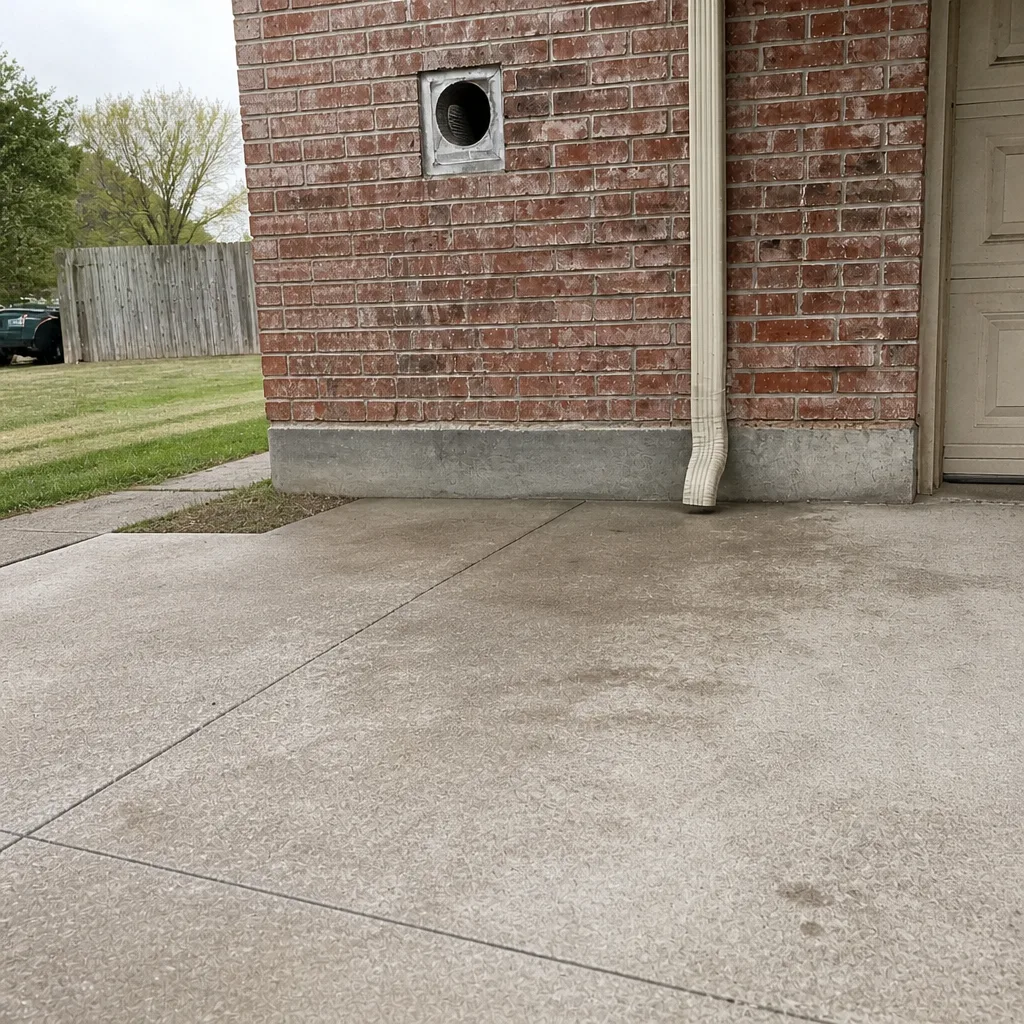 After
When to Call a Professional
Some jobs are safe to handle yourself and some aren’t. Duct cleaning belongs firmly in the second category when the air handler or gas appliance flue is involved – the components carry real electrical and combustion risk, and a technician trained on those systems is the right call. Book a professional visit when you see visible debris at the returns, smell a musty odor on startup, notice dust settling within a day of a full house clean, have recent construction or a recent move-in, or haven’t had the system checked in over a decade. Dryer vents are worth a professional look on their own schedule – every couple of years is a sensible default in a busy Killeen household.
Duct Cleaning Killeen offers free estimates in Killeen – call (833) 754-6799. We answer 24/7. Fast dispatch from 7am to 7pm, Sunday through Friday. Our technicians have up to 12 years of experience, and the written estimate sets the price before any work begins. We use commercial-grade equipment, we show you before-and-after photos of your own ducts, and we can repair what we find on the spot.
Frequently Asked Questions
Typical whole-home duct cleaning in Killeen runs $350 to $600 for a standard single-system home, and $550 to $900 for larger or multi-zone systems. The written estimate you receive after an on-site inspection sets the final price, and it should be signed before work starts. Call (833) 754-6799 for an exact quote – estimates are free.
Because the work is smaller. A $49 or $99 quote almost always covers register cleaning only – no air handler, no return plenum, no containment, no commercial vacuum. It’s a real service, just a fraction of what whole-system cleaning requires, and it usually comes with an upsell on site once the technician is inside. Ask any company what their base price includes, in writing. Call (833) 754-6799 to see the full scope before you commit.
Before-and-after photos of your own duct system, taken down the same register and inside the same plenum, plus a look at the air handler blower and the collection bin. Those four things together are conclusive. A company that can’t produce them either didn’t do the job or doesn’t want you looking. Call (833) 754-6799 and we’ll show you what we find.
There’s no fixed interval. The EPA doesn’t publish a recommended frequency, and the honest answer depends on visible debris, odor, dust settling patterns, recent construction, and the age of the system. In Killeen specifically, caliche dust and construction activity around Fort Hood push many homes toward a cleaning sooner than the national average. Assess, don’t guess. Call (833) 754-6799 for a free estimate and we’ll tell you whether your system needs it now or later.
It can reduce the dust and biological material a system is circulating, which often reduces symptoms and almost always reduces the musty smell on startup. It won’t fix an underlying moisture problem on the coil on its own; that’s why we recommend checking for duct leaks and air handler moisture in the same visit. Call (833) 754-6799 and we’ll walk through what your system actually needs.
We repair them. Disconnected joints, crushed flex runs, torn duct board, and gaps at the plenum are all fixable in the same visit as the cleaning, and we carry the materials to do it. That matters because a cleaned but leaking system will re-contaminate within a season or two. Call (833) 754-6799 to book a combined cleaning and inspection.
The Bottom Line
The most useful thing you can learn about duct cleaning is how the work actually happens mechanically. Negative pressure holds the system under suction, rotary brushes loosen debris from every run, containment keeps contaminants out of your living space, and the air handler gets cleaned alongside the ducts. If a contractor’s process matches that description, the price is defensible. If it doesn’t, no price is low enough to be a good deal. In Killeen, the soil, humidity swings, and construction activity make the case for care – not panic, just care. Ask about equipment, ask to see photos, and treat cleaning and repair as one job.
Call (833) 754-6799 for a free estimate. We answer 24/7. Fast dispatch from 7am to 7pm, Sunday through Friday. We bring commercial-grade equipment, we show you the before-and-after on your own system, and we can fix what we find. Licensed and insured. One flat price per system, agreed before work starts.
Written by the team at Duct Cleaning Killeen.